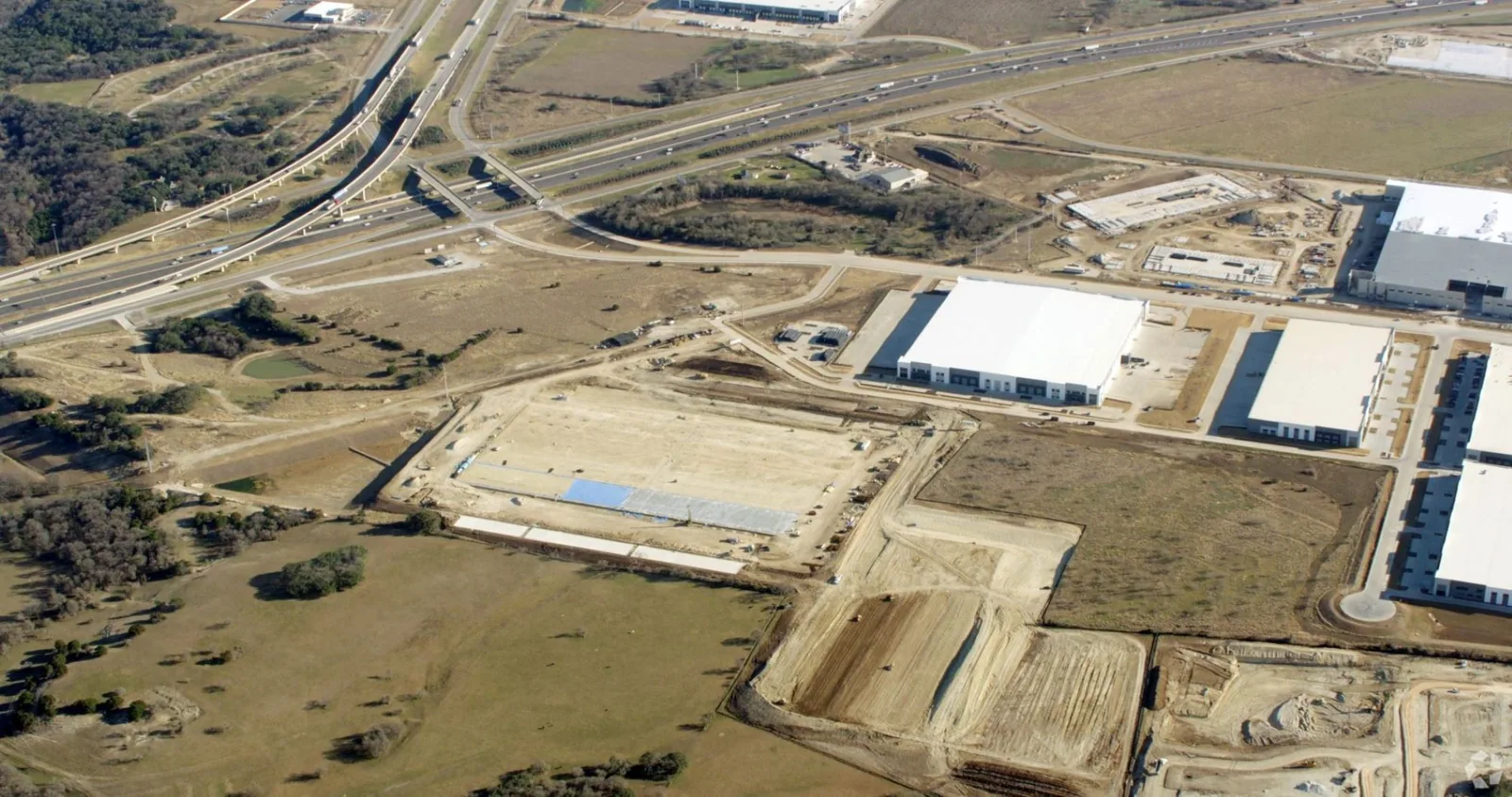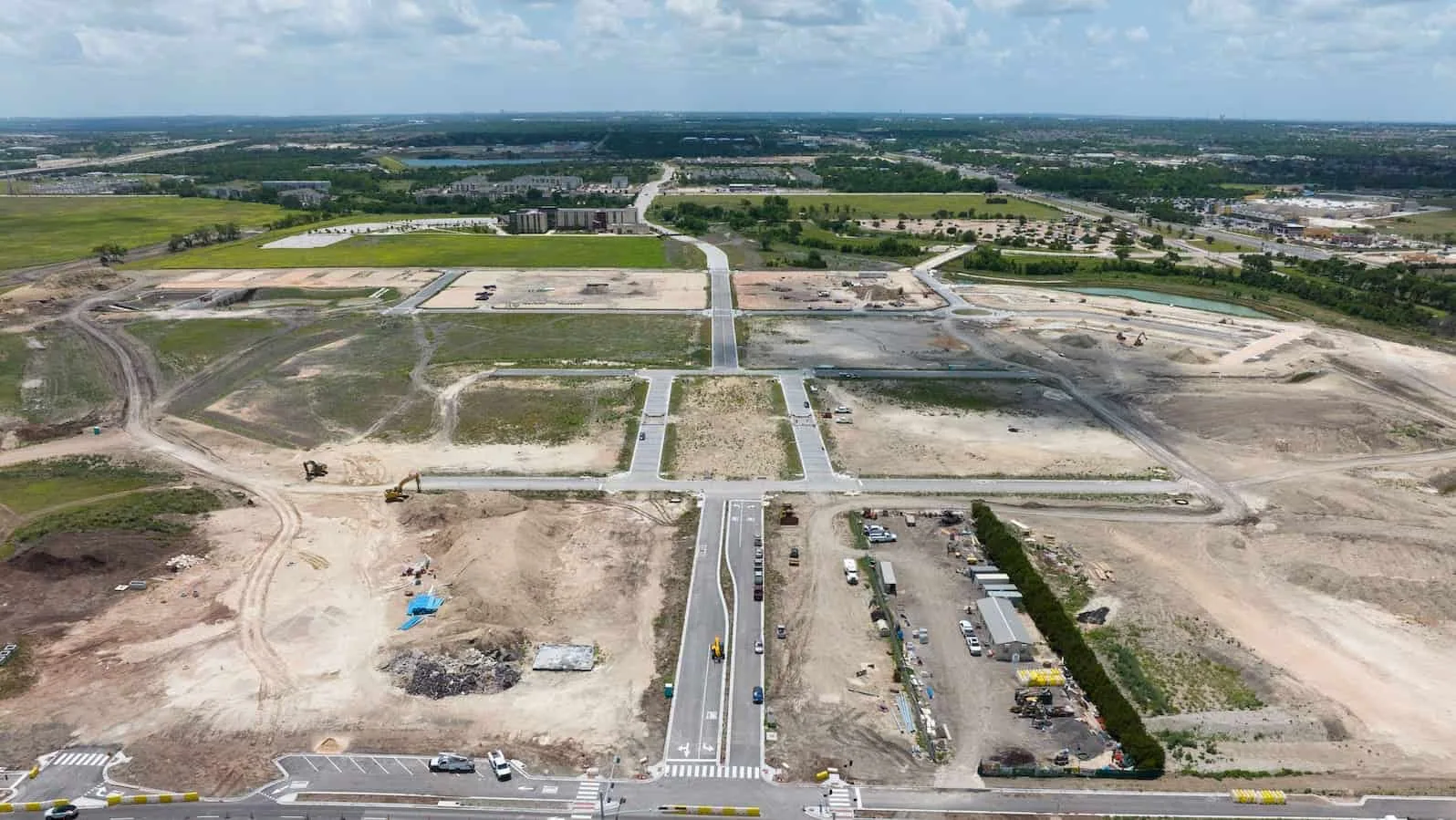
A seam at the project edge needs a mapped check before work moves to the next section. We inspect the membrane turn-up, trace the lap, and set the first boundary. Northline is a 116-acre development at SH 183 and the San Gabriel River in Leander. Its plan combines residential, commercial, civic, and public-space uses, including a town square.
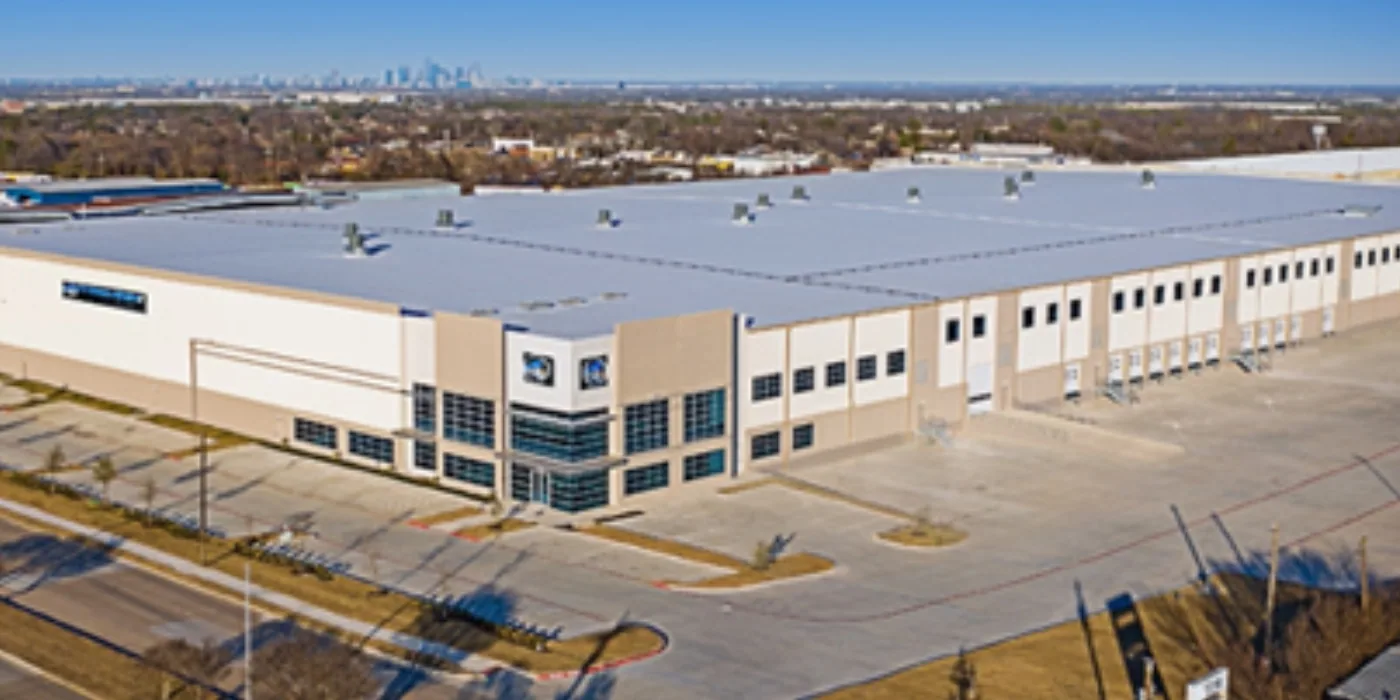
The first retail phase is planned at about 85,000 square feet, with additional phases permitted. That is project floor area, not roof area. We use current drawings and field measurements to identify actual roof sections, access limits, and tie-ins. A commercial roof inspection records conditions before a repair or construction handoff is set.
We repair, replace, recover, restore, inspect, and maintain low-slope and metal roofs. The right sequence depends on the section in work, nearby operations, and the next trade. Northline sits within Leander's growth area alongside Leander183 Commerce Center, a separate planned industrial park. Each place and building gets its own roof map. Emergency response runs day and night, weekends and holidays included.
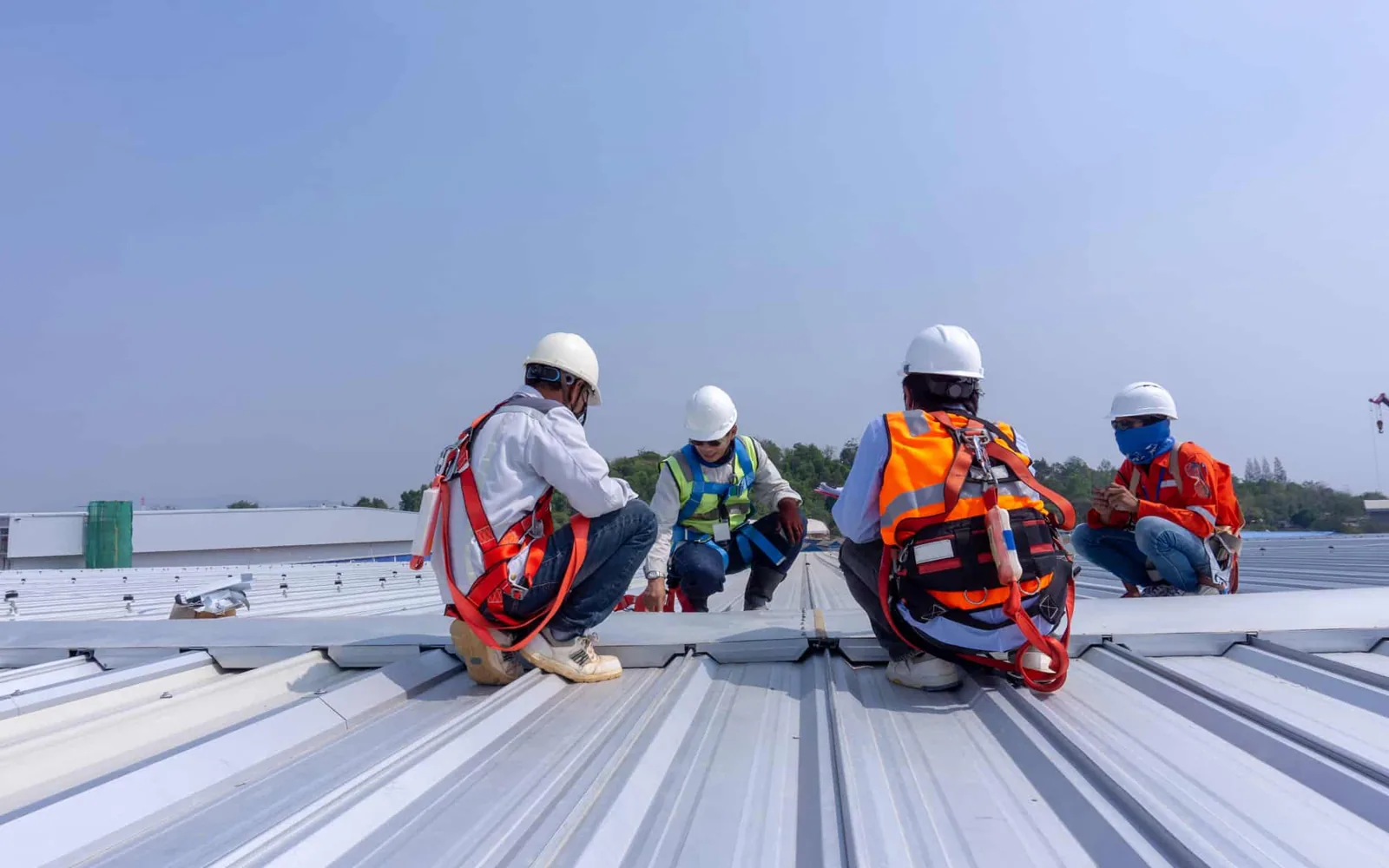
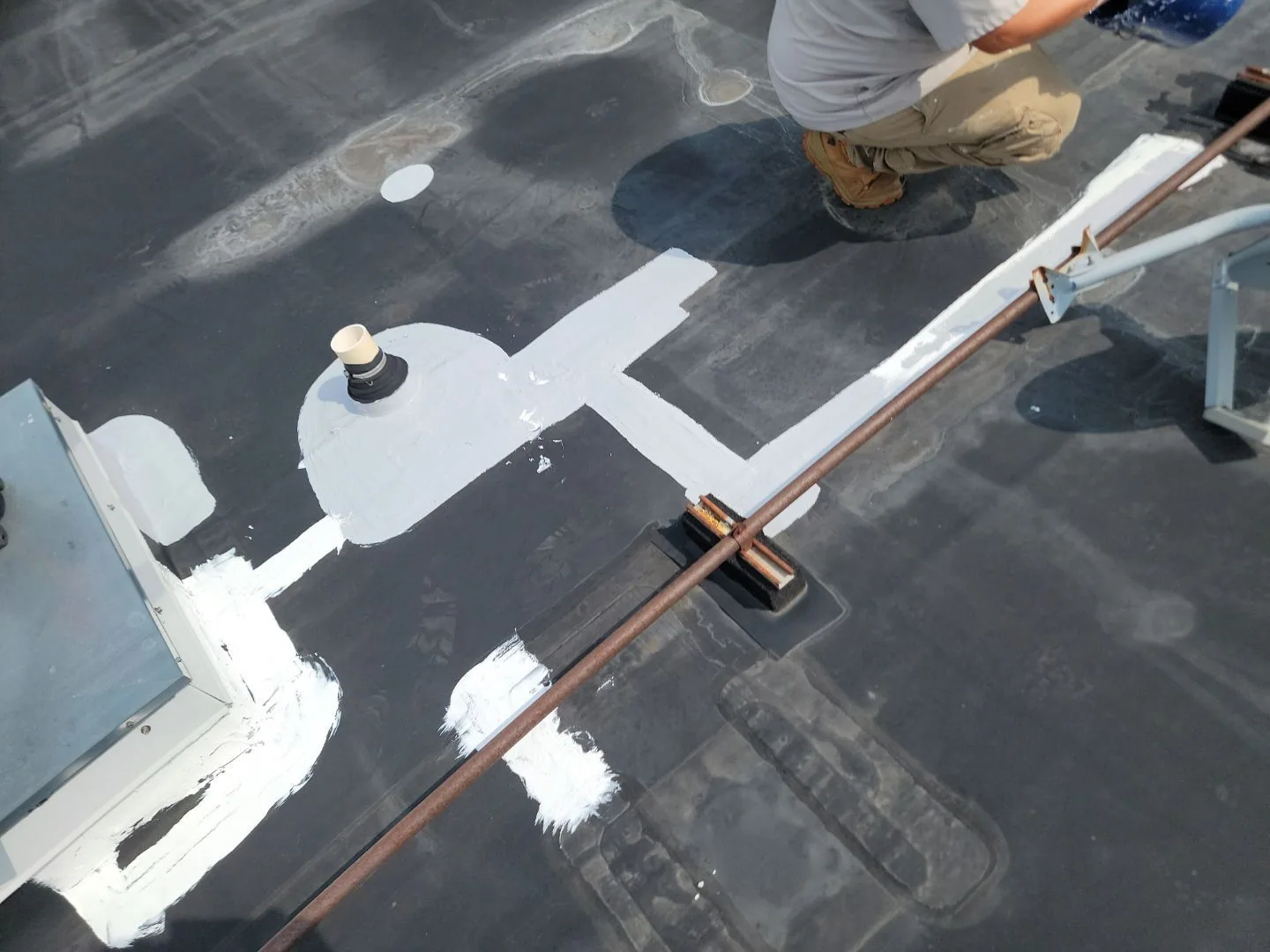
At a roof edge, we check attachment, metal joints, membrane pullback, and the transition to a wall. A small separation at the termination can admit water below the field sheet. We trace the adjacent seam and inspect corners before setting a patch limit. The roof map shows the exact area examined.
At a curb, we check flashing height, corners, and how the membrane meets the base. At a drain, we check the clamping ring, membrane cut, and whether debris or a separated lap is slowing water. Construction phases can leave temporary edges or new penetrations. We identify which connection is complete, which needs temporary protection, and which trade owns the next tie-in.
Northline combines residential, commercial, civic, and public-space uses, so roof work may sit beside active phases. We confirm current entrances, operations, roof systems, and trade access with the owner and general contractor. The sequence follows conditions in the active phase.
When water appears inside a finished space, we compare the report with roof-level details above and around it. Water may track along insulation or deck before it reaches the ceiling. We check seams, curbs, walls, and drains in the likely path. A leak repair visit documents confirmed entry points and areas needing a test.
Northline sits along SH 183 and the San Gabriel River. The project contact confirms the gate, lift placement, staging area, roof access, material path, and work window. The route must keep public areas and active construction clear.
At a mixed-use site, roof work can affect several activities at once. We coordinate noise, material handling, temporary closures, and equipment access before mobilizing. If one section must remain open to other trades, the roof sequence divides the work and protects the dry-in line. Each hold point states what must be complete before the crew advances.
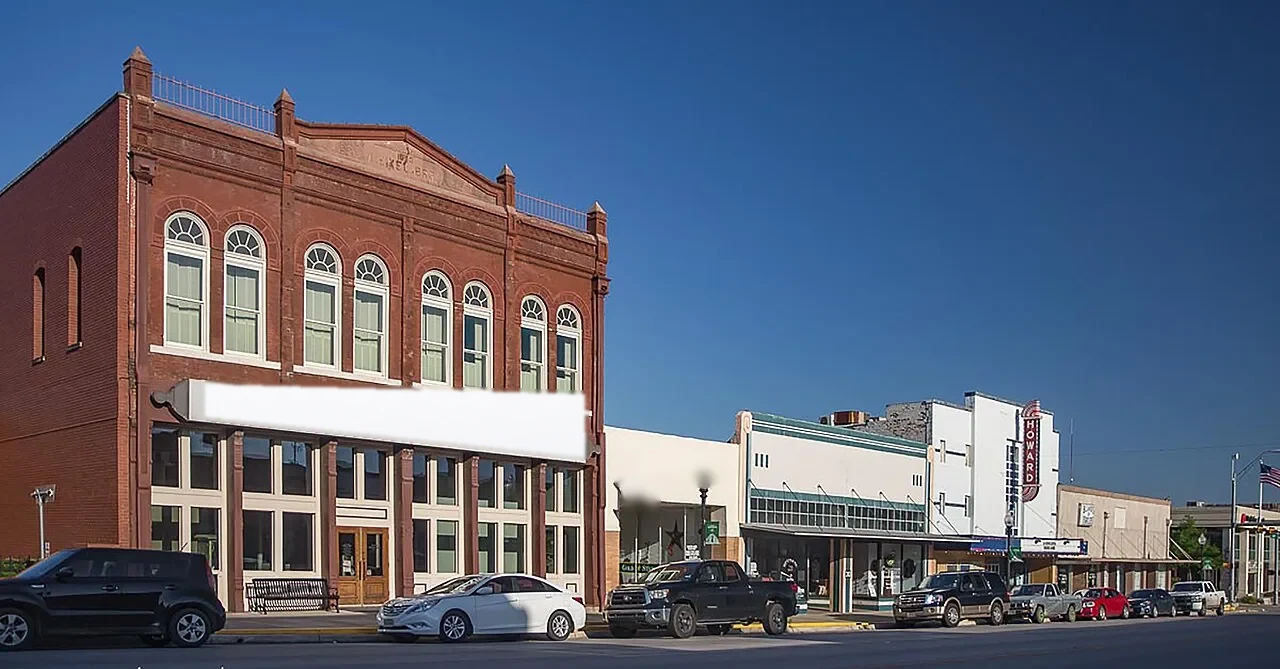
Leander includes a mix of civic and commercial activity; the Leander183 Commerce Center is a planned industrial park. We set access and staging independently for each property. A broader project boundary does not replace the roof-level route.
Recent Georgetown station reports include days above 100°F, while summer daily maximums commonly reach the 90s. At Northline, we check exposed membrane laps, sealants, and flashing before setting a work window or tie-in.
Central Texas also has a documented hail hazard. NWS storm records include large-hail reports around the Austin and San Antonio forecast area, including Round Rock. A hail report is not a damage inspection. We check Northline's actual roof surface for punctures, fractures, loose edge metal, and compromised flashing before recommending repair.
After a severe-weather alert, we check exposed metal, membrane laps, and rooftop supports at the property. Hail and wind leave different evidence, so the report records each observed condition on its own. A regional storm notice guides attention; the roof inspection determines whether repair is needed.
If moisture is suspected below the membrane, we can discuss infrared survey or an approved test cut. The test should answer a question about the assembly, not simply add another opening. We map the location, record the result, and restore the roof detail. The owner receives a clear distinction between tested and untested areas.
A localized split or puncture with sound material around it may support a patch. We clean and prepare the area, make the repair, and check the tie-in. If failures repeat along a seam, we inspect the surrounding field before widening the scope. The repair plan identifies what is included and what needs further testing.
A recover can work only when the existing assembly is dry, stable, and suitable for a new layer. We check moisture, attachment, drainage, flashing height, and substrate first. Wet insulation or weak decking changes the recommendation. A recover assessment marks the preparation and tie-ins that will be concealed.
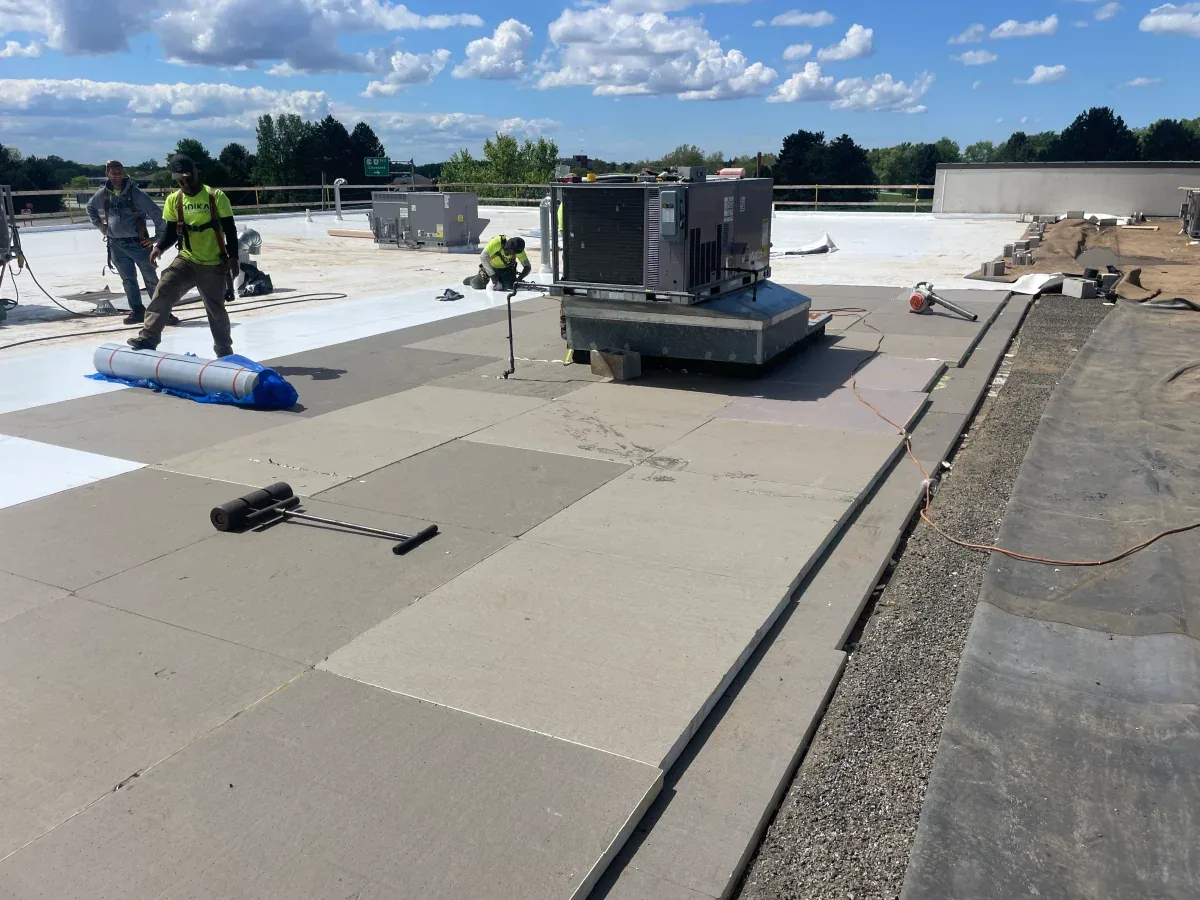
Replacement needs an orderly sequence for removal, substrate review, insulation, cover board, attachment, drains, curbs, and edges. A single-ply membrane uses sealed laps, while standing-seam panels rely on formed joints and mechanical attachment. The chosen roof plan sets the detail. We inspect substrate and perimeter conditions before closing either connection.
Where several trades meet near a roof edge, the handoff needs a named owner. We mark the membrane stop, temporary protection, and flashing connection that remains. The general contractor can then release the next section without leaving an unprotected opening.
A roof map ties each photo to a section and records where inspection stopped. The report names the condition, recommended action, and any test still needed. For a phased project, we also record which termination is temporary and which one is ready for permanent tie-in.
After turnover, a maintenance walk can revisit drains, flashings, seams, and construction tie-ins. The dated record shows any changed condition and the next repair priority. A preventive maintenance visit can help facility staff track follow-up without replacing storm response or leak repair.
For longer-term tracking, roof condition reports keep photos and Diligence Notes linked to a map. A portfolio owner can share a review schedule while keeping each roof map and repair scope specific to its building.
At the close of a work area, we inspect the finished seam, flashing, drain, and termination. The record lists completed work, any remaining hold point, and which trade owns the next connection. If the scope opened the roof, we document what was found below and how the area was closed.
In phased construction, an incomplete tie-in can put both the new and adjacent roof at risk. We identify temporary protection, mark the permanent connection, and schedule a follow-up when the next section is ready. The general contractor receives a clear boundary for the next crew.
Tell us which roof section is active and when the project team can provide access. We will confirm the phase boundary and temporary protection before the walk. Water entry can be reported at any hour, including outside normal workdays.
No. It describes the retail phase. We use roof plans and field measurements for each roofing scope.
We map the active phase, dry-in boundary, and next trade tie-in. Each section is closed or protected before the crew advances.
Curb location, support detail, membrane connection, clearance, and the trade assigned to final flashing.
No. We inspect the actual membrane, flashing, and metal for confirmed openings or impact damage.