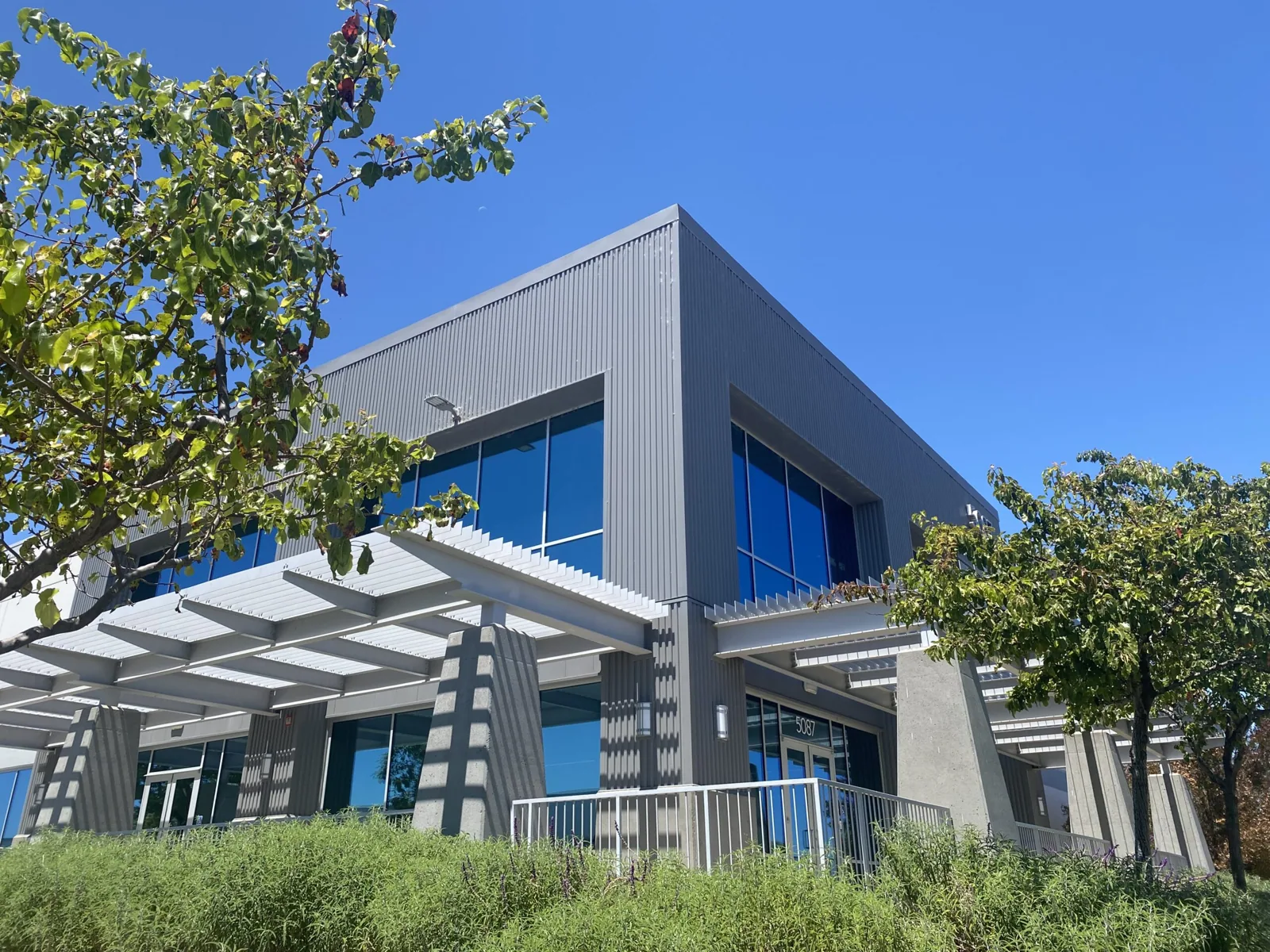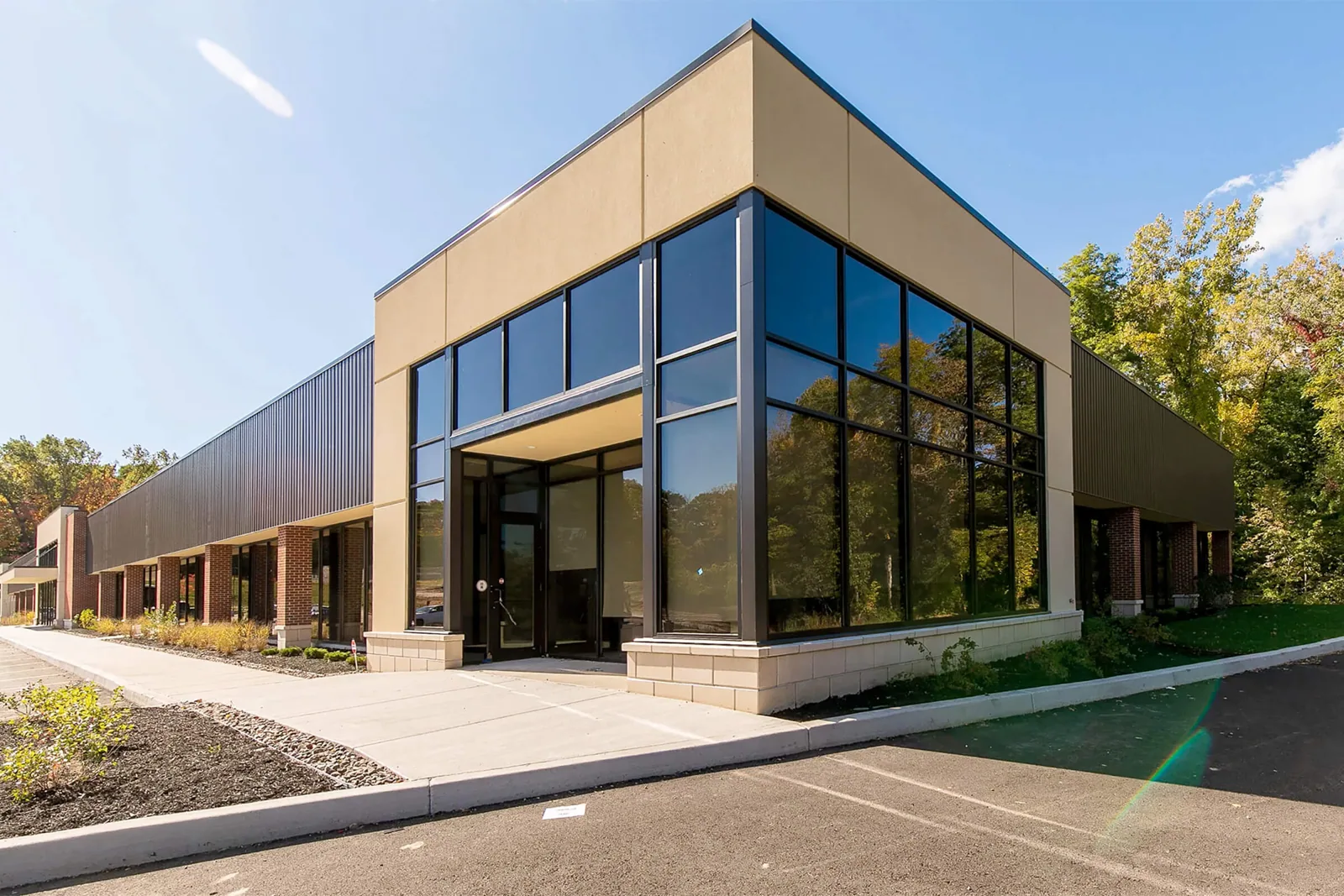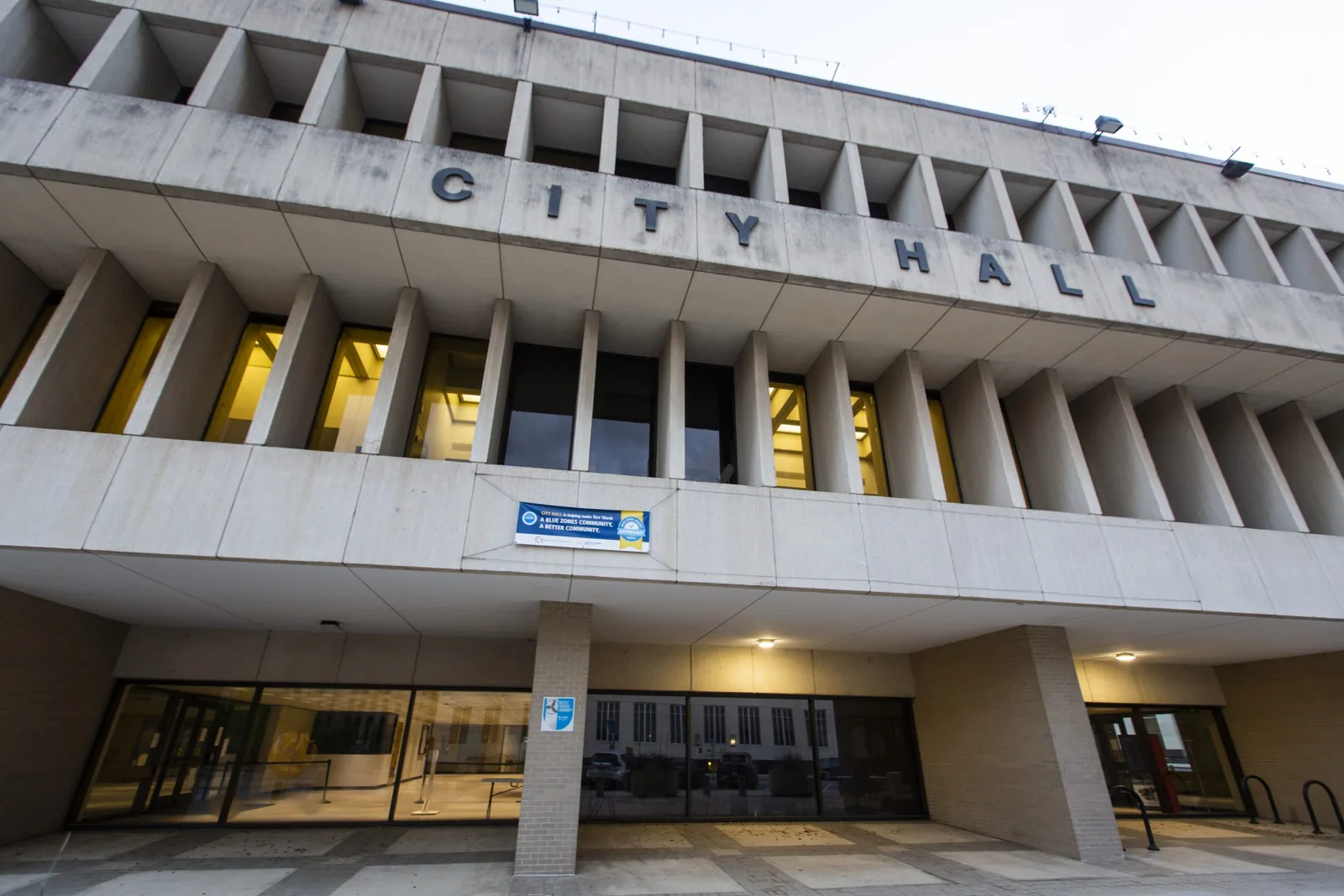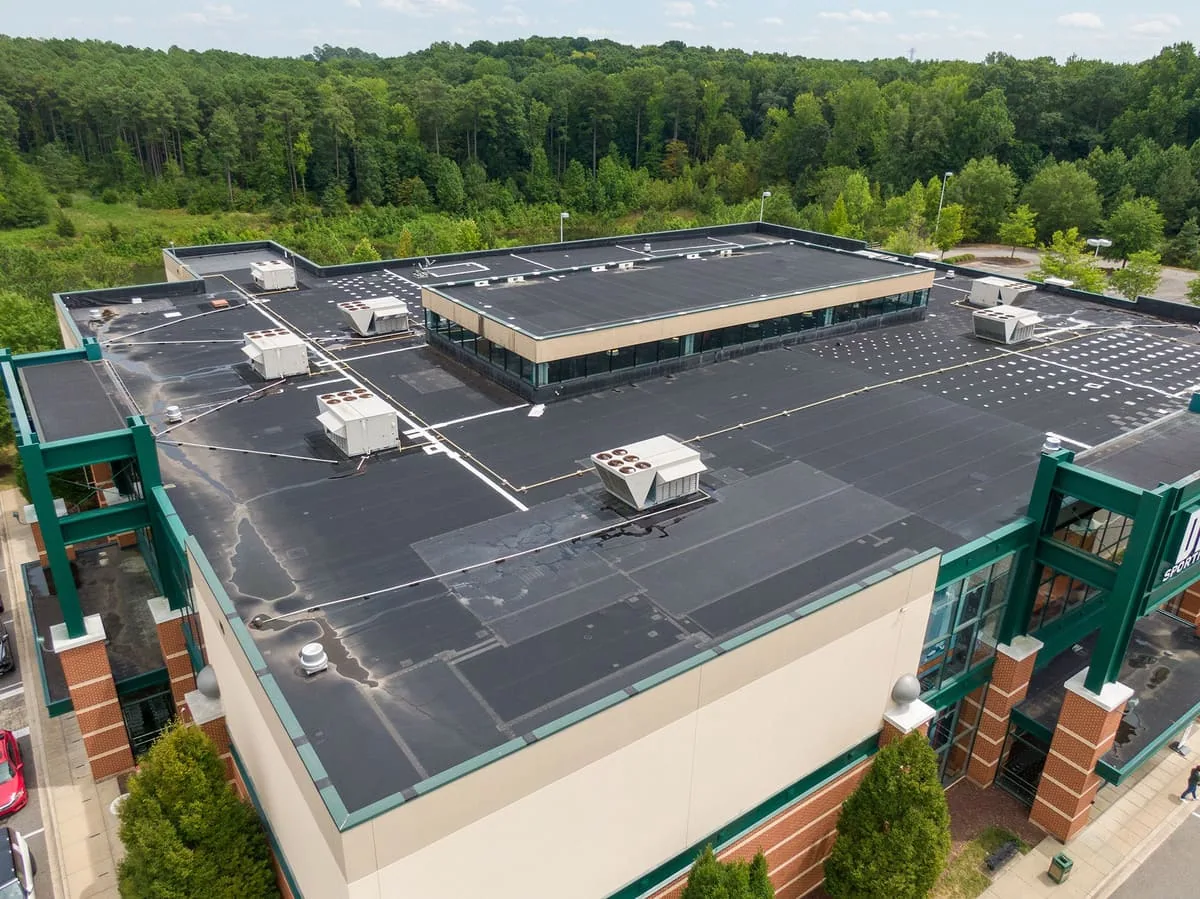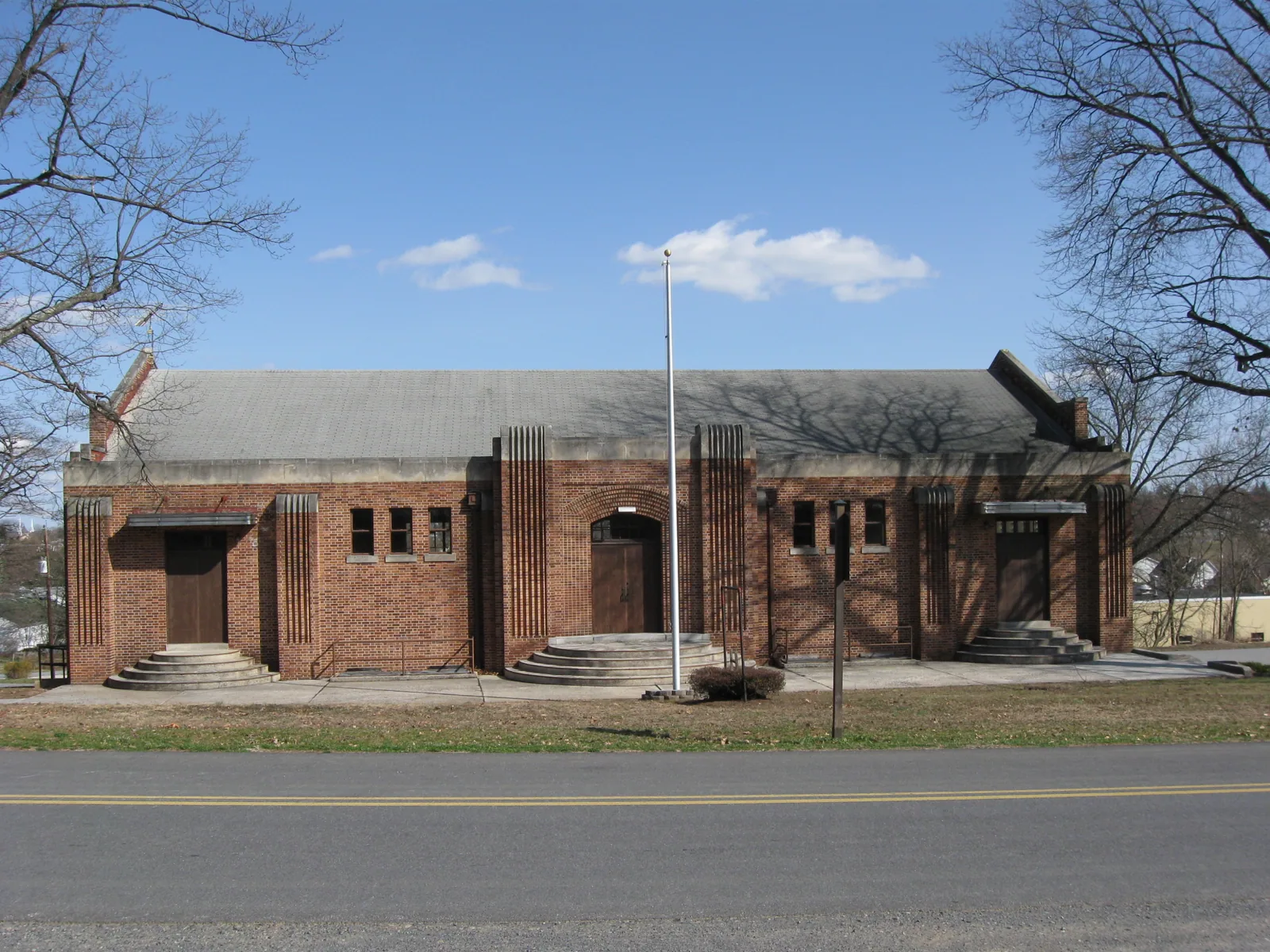
A loose edge-metal termination above a readiness room sets the first check. We trace the panel or membrane edge, inspect nearby fasteners, and mark the roof zone before discussing repair quantity. An armory can combine administration, support, storage, training, and vehicle areas. We confirm the actual building use and access boundary with the authorized site contact before staging. A roof project in Georgetown still follows the individual facility's command and entry procedure.
Camp Mabry, about 22 miles south-southwest of Georgetown, serves as Texas Military Department headquarters and includes administrative, support, and lodging functions. Camp Swift near Bastrop is a Texas Army National Guard training site with multiple training and support facilities. The site contact identifies the building use and access plan for each project.
The site authority sets entry, badging, escort, vehicle inspection, photography, and tool-control rules. We confirm those requirements before dispatch and keep the crew, delivery vehicle, and subcontractors on the approved list. The access route covers roof ladders, gates, restricted areas, and the location where materials may be staged. A changed escort window changes the work sequence.
Readiness use can alter the available roof window without much notice. We identify training, vehicle movement, and emergency response periods with the facility point of contact. We also establish who can stop work and who can accept a temporary tie-in. No roof opening begins until the access plan, dry-in method, and hold point are understood by the authorized representative.
Camp Mabry is the Texas Military Department headquarters, while Camp Swift supports National Guard training and field operations. Each facility has its own rules and mission demands. For an armory project, we follow the contracting documents and site instructions that apply to that property. A military-installation roofing scope should account for controlled access and documented handoff requirements.
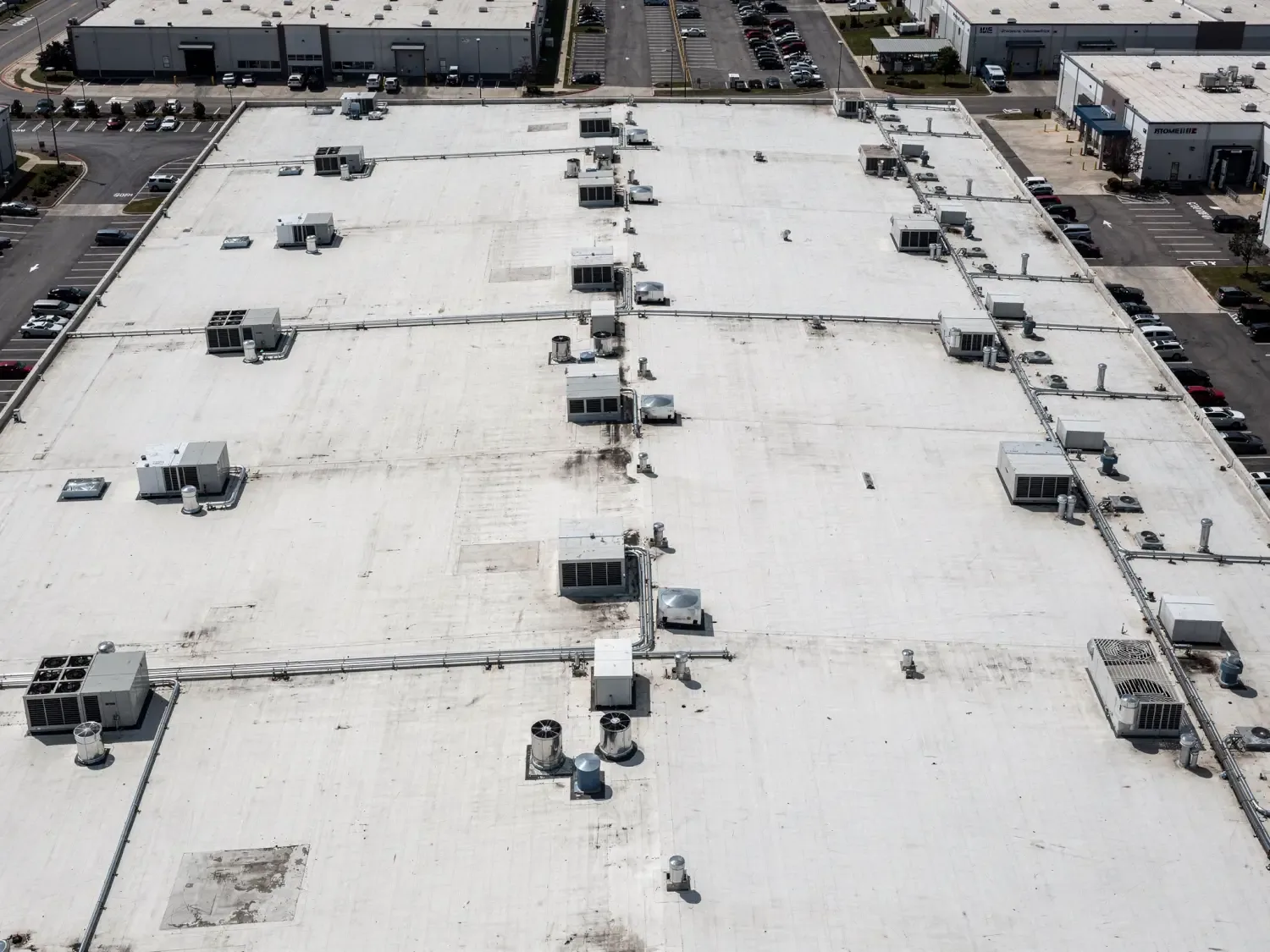
We identify the system and inspect edge metal, seams, flashing, penetrations, drains, and rooftop equipment. A single-ply membrane needs a check at field laps and terminations. Built-up or modified-bitumen materials require review at surfacing and transitions. Metal panels call for attention at fasteners, seams, and clips. The roof plan labels each section so the site can separate observed conditions from inaccessible areas. A government support building may have a different occupant and security path from a readiness facility.
We compare interior reports with the roof zones above them. Water can move along a deck before appearing in a room or storage area. A stain does not identify the source by itself. We inspect nearby walls, curbs, drains, and changes in roof height, then record what is confirmed. If moisture beneath the surface could alter the boundary, a test opening becomes a hold point for approval.
Thermal screening can help identify candidate areas, but it is not proof of wet insulation. We describe the method and its limits before testing. Equipment and communications lines remain in place unless the site authority directs otherwise. A targeted moisture survey can guide a closer check where access and authorization permit.
Before the walk, we also identify antennas, communications equipment, lightning protection, and other roof-mounted items that may not be disturbed. The authorized contact names the responsible trade and any clearance needed around it. We note a restricted zone on the roof map and keep the repair boundary clear of those systems. That prevents a roofing detail from being treated as permission to alter mission equipment.
The Georgetown station has recorded summer temperatures above 100 degrees Fahrenheit in recent years. Heat changes crew exposure and material handling. The superintendent sets the daily roof area and dry-in limit based on conditions and product requirements. If the available window shortens, the open section gets smaller. The tie-in is secured before the crew leaves the roof.
Williamson County's severe-weather history includes tornado activity, but a regional report does not establish damage at an armory. The inspection records current conditions at the armory. After a reported storm, we inspect fasteners, edges, seams, curbs, and drainage at the building. A wind-damage assessment records present conditions and avoids assigning quantity from a storm record alone.
For active sites, protection below the roof matters as much as weather protection above. We coordinate vehicle routes, equipment coverage, and any temporary closure with the facility contact. Debris control and daily housekeeping follow the installation's requirements. If a storm approaches while a roof section is open, the approved temporary protection plan governs the response.
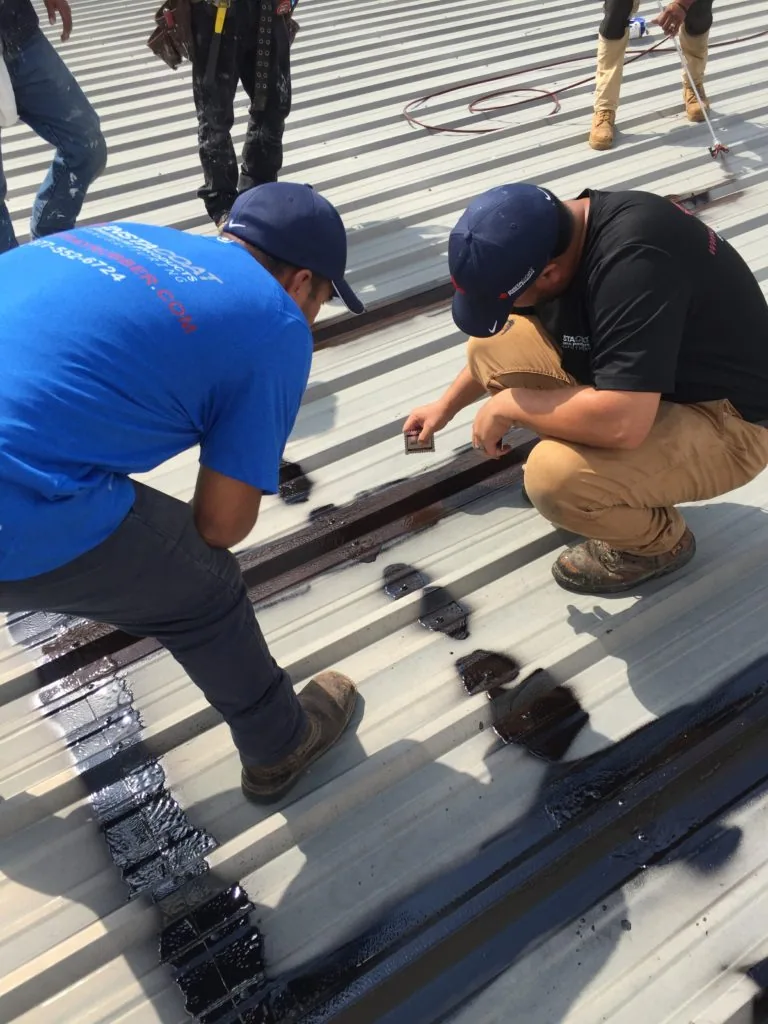
A localized seam, flashing, or fastener defect may support a defined repair when the adjacent assembly and substrate are sound. Repeated failure across several zones, widespread moisture, or damaged deck can require a broader scope. We document confirmed quantities, photos, test results, and limits. Additional removal does not proceed until the authorized representative approves the change.
Recover is considered only after existing layers, attachment, drainage, edge height, and moisture are reviewed. Tear-off may be needed to reach wet insulation or inspect the deck. A military hangar project may have distinct door, span, and aviation-operating constraints. A replacement evaluation can compare insulation, cover board, membrane or panel system, metal, and tie-in requirements against the contract documents. Applicable criteria and submittals are confirmed with the owner and design team.
Price and schedule depend on the roof assembly, access controls, escort hours, staging, equipment, test openings, and the amount of work that can be protected during the approved window. We state assumptions and exclusions. If structural movement or an unanticipated utility conflict appears, work stops at a hold point for direction. The change is documented before the crew resumes.
Each shift ends with a secured edge, clear drains, accounted-for tools and debris, and a status update to the designated site contact. The handoff lists roof zones completed, temporary protection still in place, and any access needed next. At closeout, dated photos and material records show what was repaired. Areas outside the approved route remain identified as uninspected.
The record can support maintenance planning at a facility with administration, support, lodging, or training use. The armory's command and site rules control access, scheduling, and approvals for every visit. The work record stays tied to that facility's roof map and authorized route.
Before scheduling, provide the roof plan, contract scope, authorized contact, access procedure, mission calendar, and any approved system criteria. A roof condition report can preserve the observed boundary, test points, and remaining questions for the next review.
The installation or armory authority sets badging, escort, entry, vehicle, tool, photography, and staging rules. We confirm the approved crew list and route before dispatch.
The site contact identifies restricted windows and operational priorities. We set a daily area and dry-in point within the approved access period. A changed mission schedule may require a resequencing.
No. We inspect current conditions at the building, photograph the findings, and separate visible impact from wear. The regional event provides context only.
We identify a test area and explain what opening it should confirm. The work stops at that hold point until the authorized representative approves the next step.
The contract documents, owner direction, and applicable design criteria govern. Where UFC roofing requirements apply, the project team confirms the current criteria and details before installation.