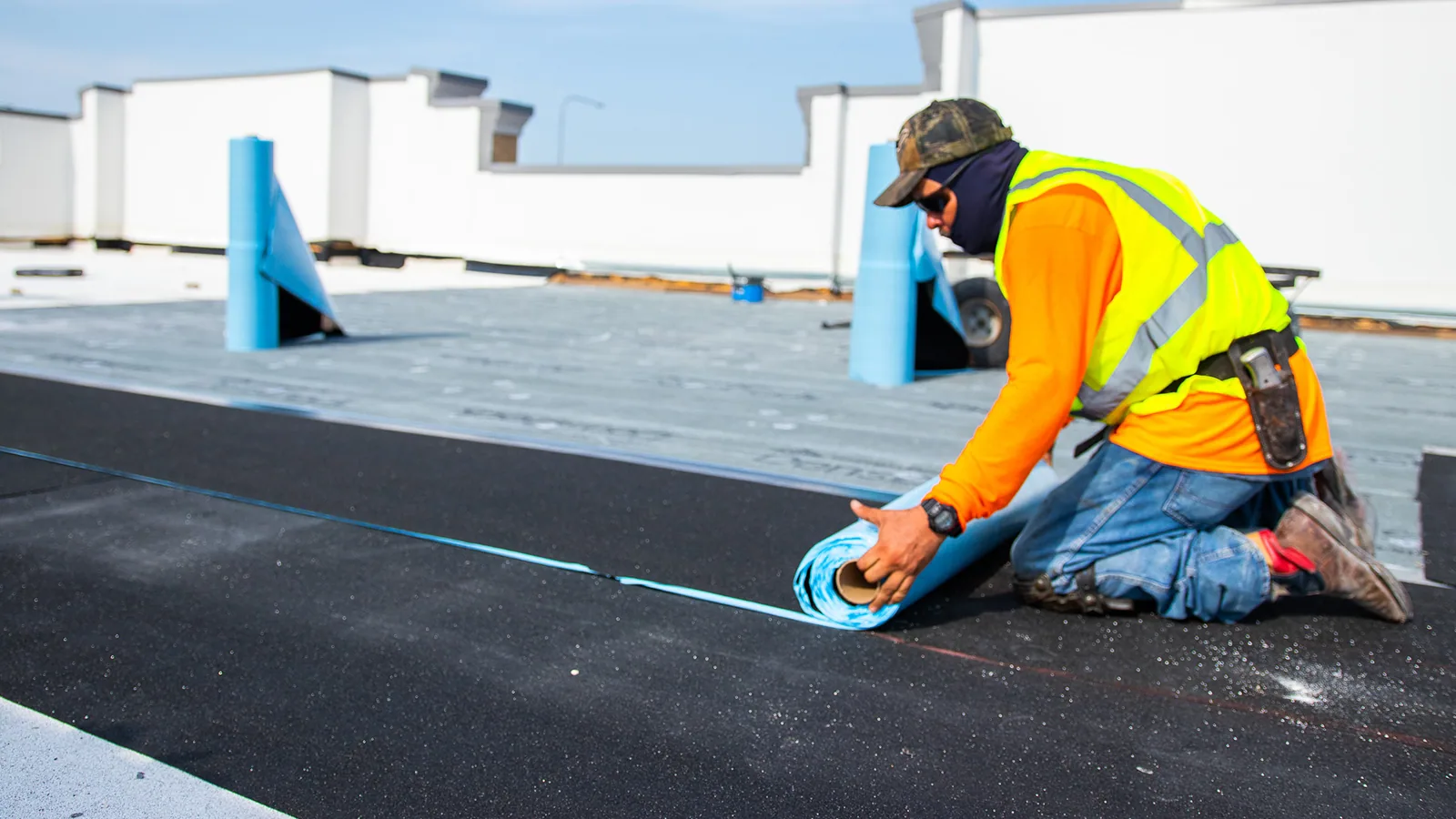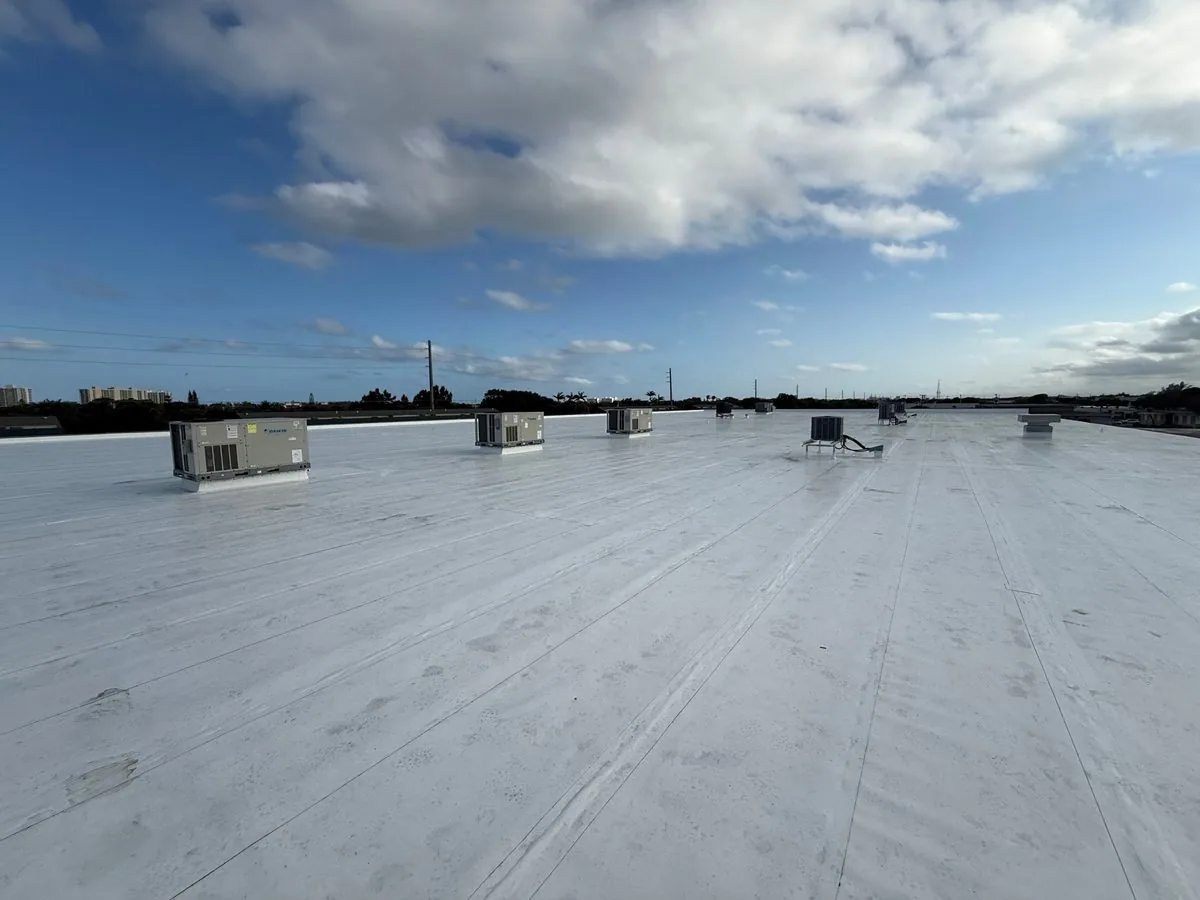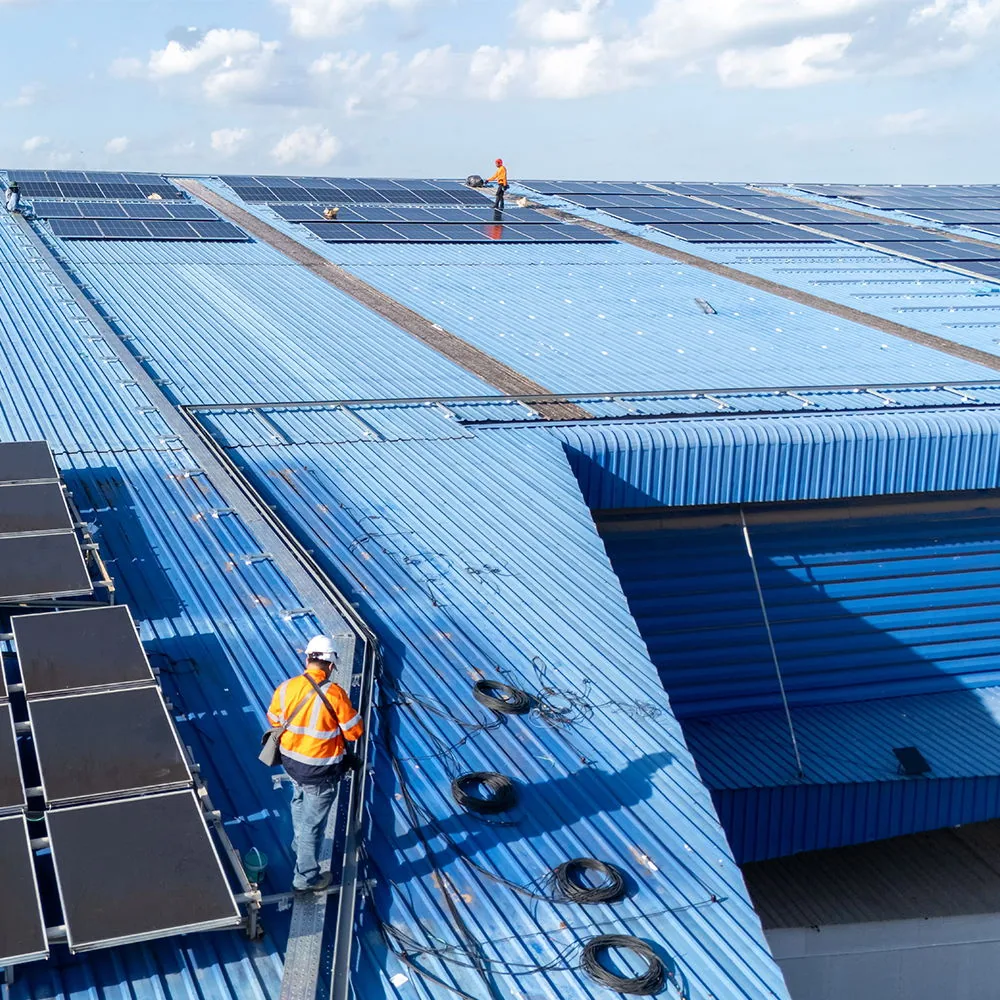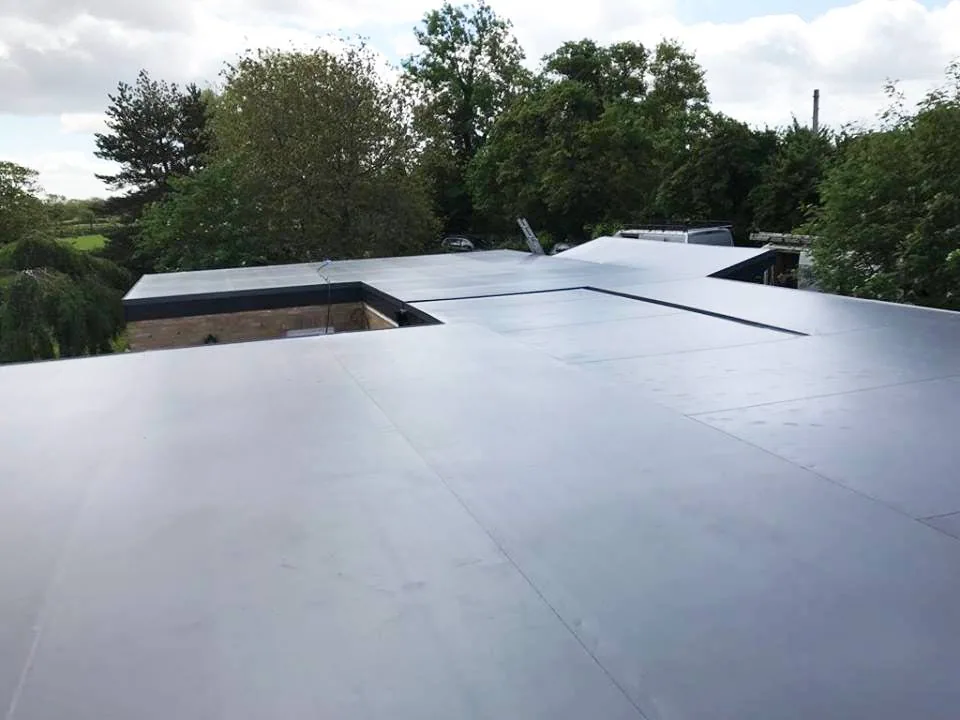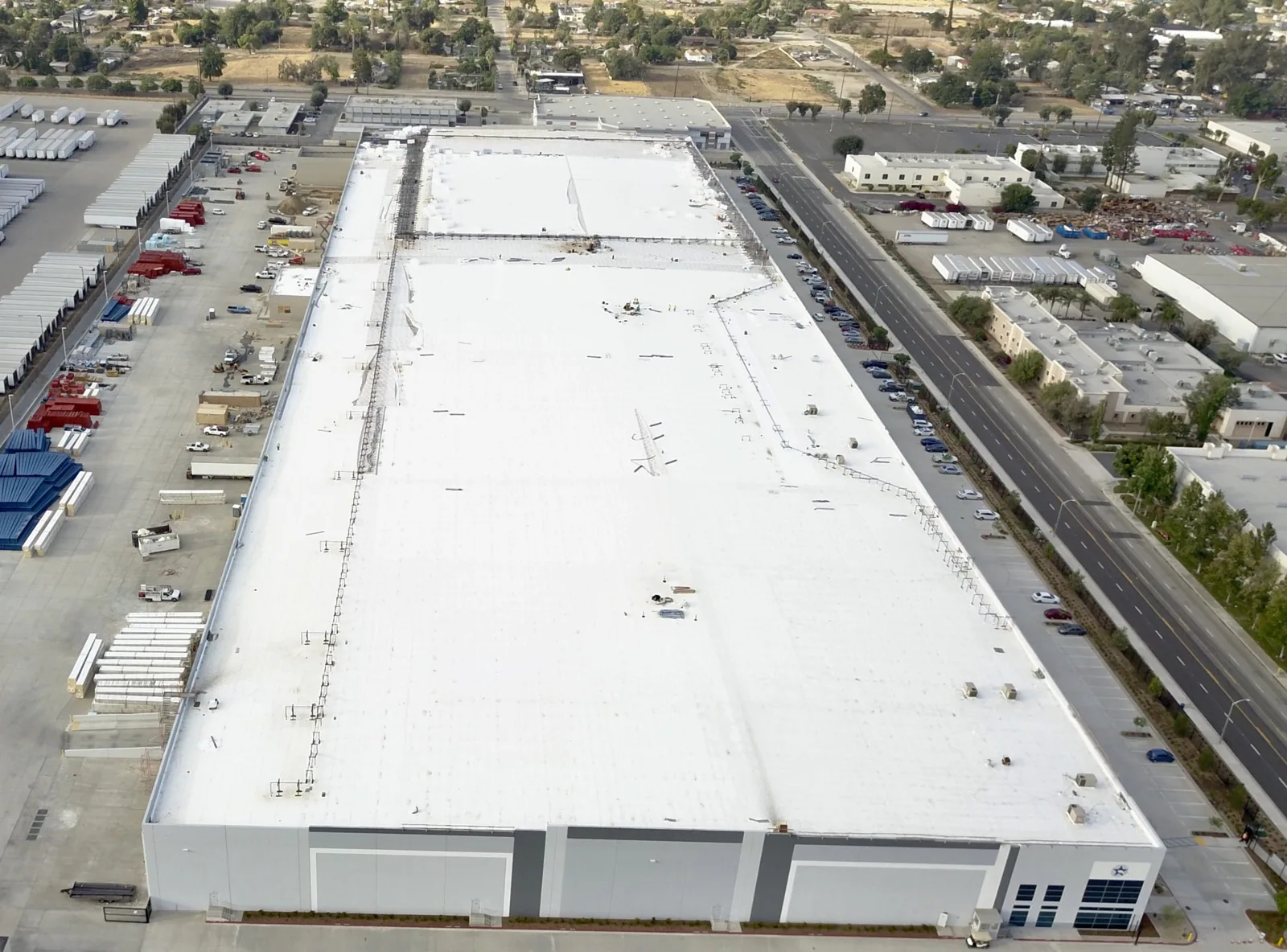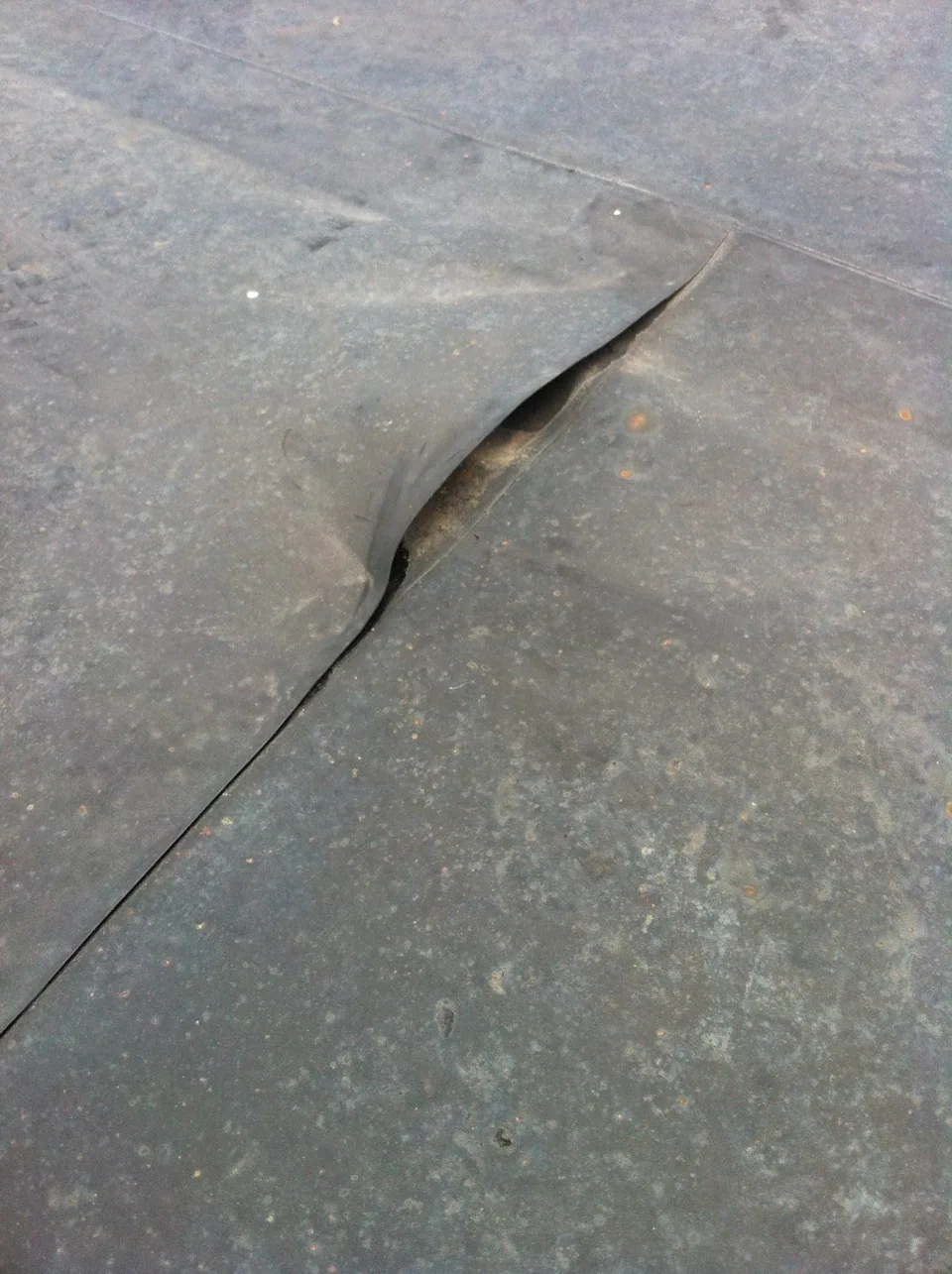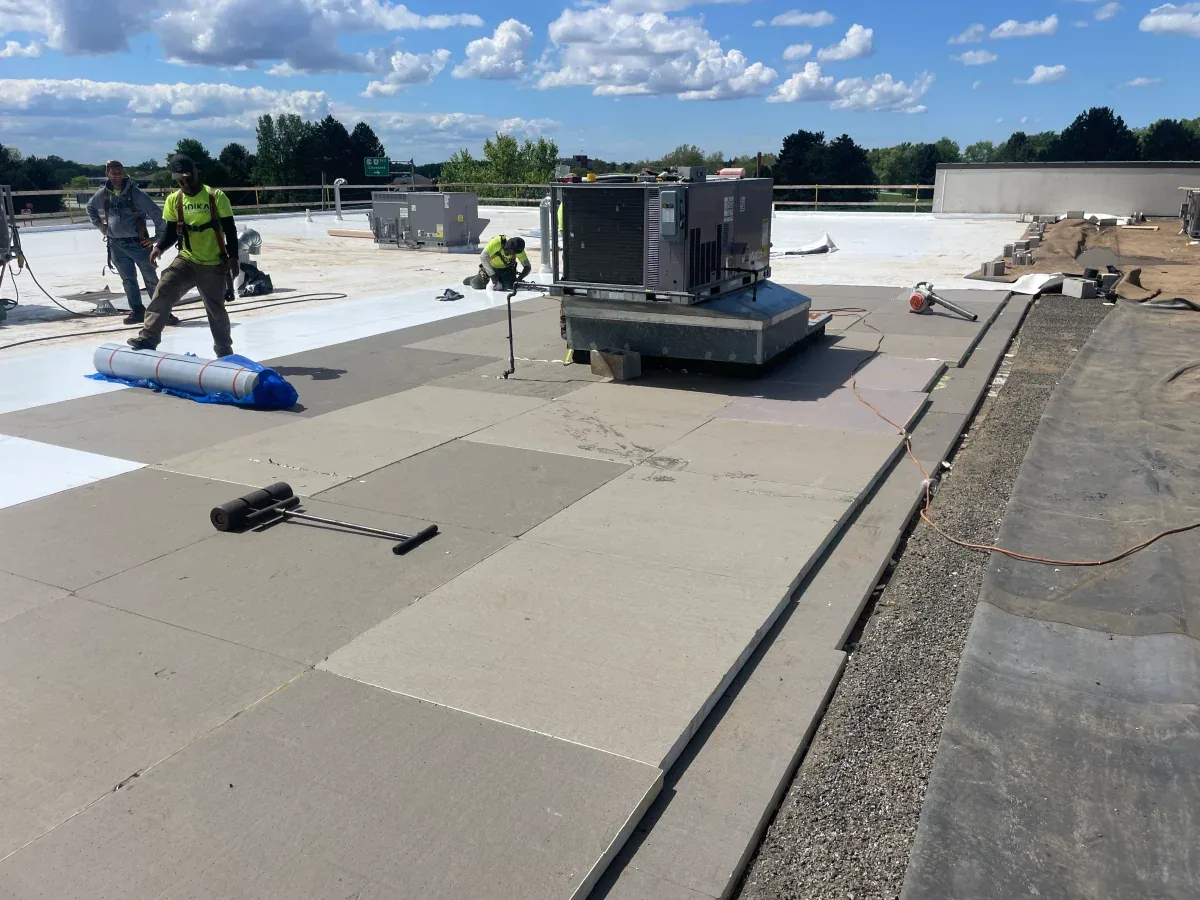
Before sizing a patch, inspect the prefabricated seam at the point where it releases. We inspect the seam, nearby flashing, and the membrane beyond the visible release. Duro-Last manufactures prefabricated sections of single-ply PVC membrane. The roof records and field conditions show how those sections were arranged on this building.
At Georgetown’s weather station, summer highs most often fall in the 90-degree range; recent observations include days above 100°F. That heat affects roof access and repair timing. Berry Creek Business Park is a multi-building industrial development near I-35 and SH 130. Georgetown Logistics Park is included in the city's industrial growth planning, so we confirm site access and staging before the roof walk. A PVC membrane inspection starts with the installed detail.
Prefabricated membrane sections can reduce some field seams, but they do not remove every roof transition. Perimeters, curbs, drains, penetrations, and tie-ins still need inspection. We locate the section edges and any field seams, then note where flashing meets the membrane. The roof map records details the next crew can find without relying on a general label.
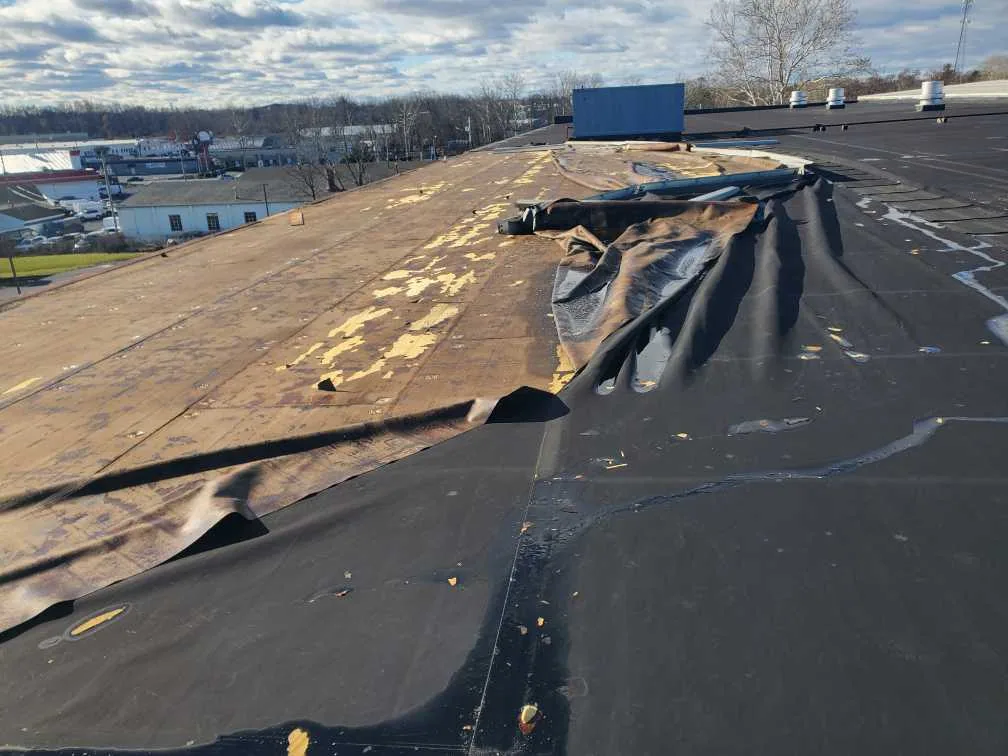
Look for open welds, wrinkles, punctures, abrasion, chemical exposure, or damage from later trade work. A defect near an edge may involve attachment or metal transition. A defect at a curb may begin in the vertical flashing. We photograph each condition separately and test the surrounding material before setting the repair boundary.
We identify the PVC sheet and section layout from closeout records and exposed details. If records are incomplete, we inspect welds, flashing, and attachment before carrying the system into a repair scope. A label or matching color alone does not identify every layer in the assembly.
Once the existing assembly is identified, compare it with Sika Sarnafil PVC systems and Versico roofing systems against project documents and field compatibility.
Before welding a patch, prepare a test area. Surface dirt, oxidation, moisture, coating, and heat can affect how the repair bonds. Let the test cool, probe it, and record the result. If it separates or tears through weakened membrane, enlarge the investigation only after the owner reviews the hold point.
At a roof edge, check attachment, metal laps, termination, and membrane turn-up. At a pipe or equipment curb, trace the flashing from top to field and inspect each corner. A clean field sheet does not compensate for loose metal or a failed vertical detail. A seam repair review can identify the weld line and adjacent membrane that support the repair.
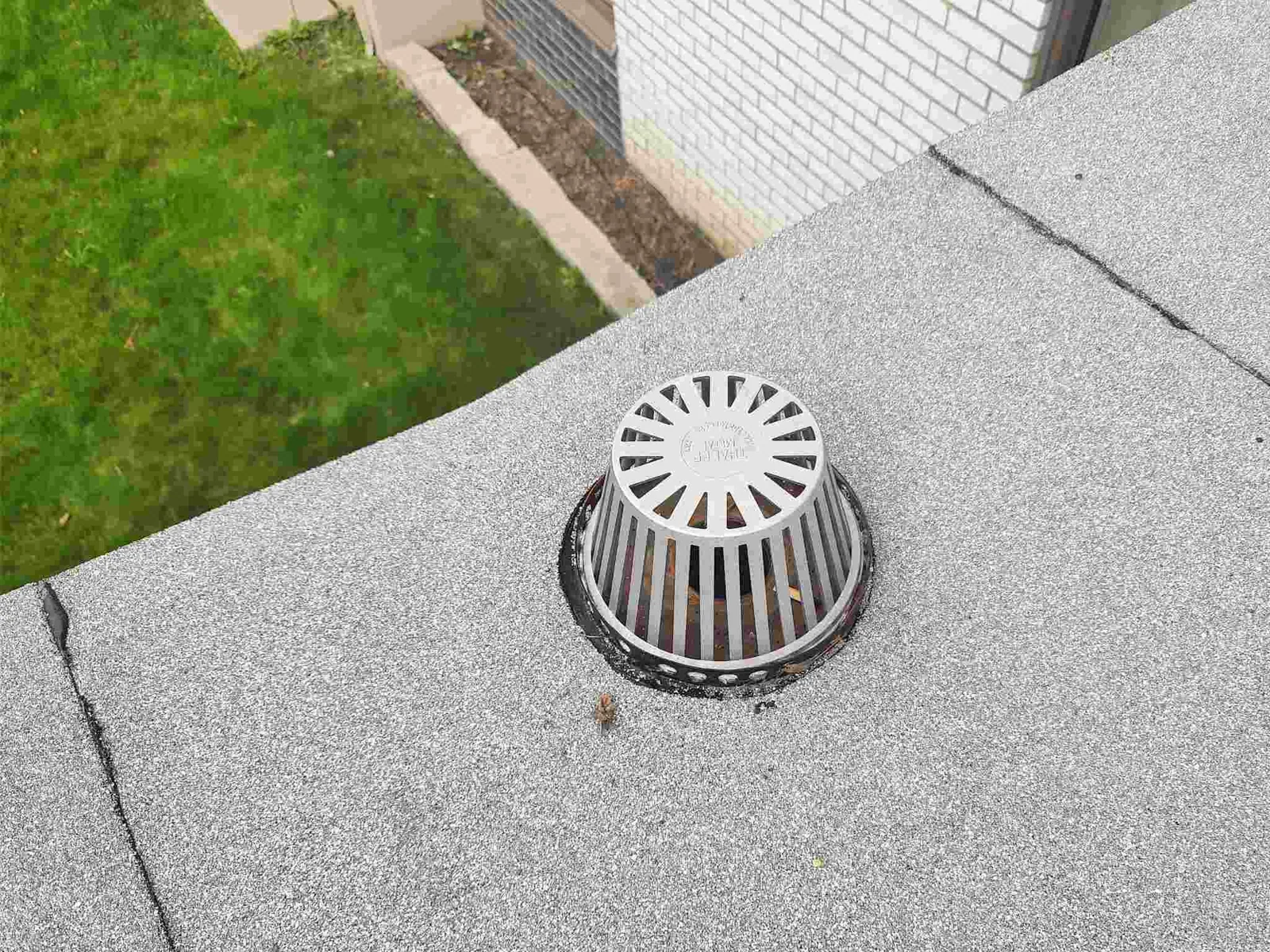
Drain bowls require another sequence. Remove debris, inspect the ring and outlet, and check how the PVC terminates at the bowl. A slow drain can keep water at a weak seam; a loose connection can leak even when the outlet is clear. The drain inspection distinguishes maintenance from membrane repair.
Georgetown's summer storms can bring intense rain and hail. We note observed impact, open seams, punctures, and water paths without assigning cause from a weather report alone. A post-storm roof check establishes the building condition at the inspection date.
Before work, agree on the hatch or ladder, travel path, lift position, material staging, and occupied areas. Industrial delivery routes near I-35 and SH 130 can bring trucks and tenant operations close to the work zone. Coordinate the timing with the general contractor. Keep roof drains and fire routes open while materials are moved.
Central Texas has recorded hail events and tornado activity. A regional record supports the timing of a field inspection. It does not show that a specific building was struck. We compare the reported date with physical evidence and keep older wear or previous repairs as separate conditions. If the roof was not fully accessible, the closeout identifies the uninspected area.
High surface temperatures can shorten the safe period for preparation and welding. Check the day’s conditions before removing membrane. The crew should be able to finish the tie-in and temporary dry-in within the available window. If weather or heat closes that window, stop at a defined edge and secure the opening rather than leaving an exposed assembly.
If insulation may be wet beneath the membrane, a moisture survey can help locate test areas. We verify suspected zones through field checks and note how much was actually opened. Infrared patterns, interior stains, and roof moisture are not interchangeable findings.
A patch can solve a localized seam or puncture when adjacent PVC is clean, stable, and compatible with the repair method. If the membrane has multiple open areas, the attachment is failing, or insulation is wet, compare broader options. We tie each recommendation to an observed condition and mark what remains concealed.
A repair estimate should separate membrane work from access, safety, temporary protection, and interior coordination. For repeated failures or broad deterioration, a replacement review can consider tear-off, recover limits, drainage, insulation, and roof traffic. We show the general contractor where each option begins and which detail remains a hold point.
A coating or overlay is not a substitute for a sound substrate. Check moisture, adhesion, drainage, edge restraint, and existing layers before considering restoration. A restoration assessment can determine whether the assembly is a candidate and which test area should be evaluated.
For a multi-building owner near Berry Creek, separate maps keep repair history tied to each structure. A Berry Creek Business Park service visit can coordinate access across properties, while the report preserves each roof's system and open items independently.
At the first opening, compare the layers with available roof records. Check insulation, deck, membrane, and attachment. If any layer differs from the planned scope, pause and photograph it before proceeding. A temporary cover and finished repair are different closeout items; identify both in the work note.
Photos should show the defect, prepared surface, repair, and surrounding tie-in. Mark the roof zone and test-weld result. Note access restrictions and any area the crew could not reach. The general contractor can use those records to coordinate later mechanical work without assuming that an uninspected transition is complete.
A condition report can preserve those observations. A roof asset file can organize each building’s system documents, inspection dates, and repairs. Neither record changes product terms; they provide a clear account of what the crew saw and performed.
Send the roof plan, reported issue, access window, and any membrane or project records. We confirm the route, test area, and proposed boundary with the general-contractor contact before work is staged.
No. Section edges, perimeter transitions, penetrations, and later repairs still create details to inspect. We map those interfaces before sizing a patch.
We prepare a test area, complete a test weld, let it cool, and probe it. The result helps set the repair method and boundary.
Yes. A loose ring, membrane termination, or nearby seam may fail while the outlet is clear. We inspect the full bowl connection and surrounding field.
No. It helps establish the weather context and inspection timing. The property walk records damage only where the crew observes it.
Include the roof zone, test result, membrane detail, dated photos, completed boundary, temporary protection, and remaining hold points.