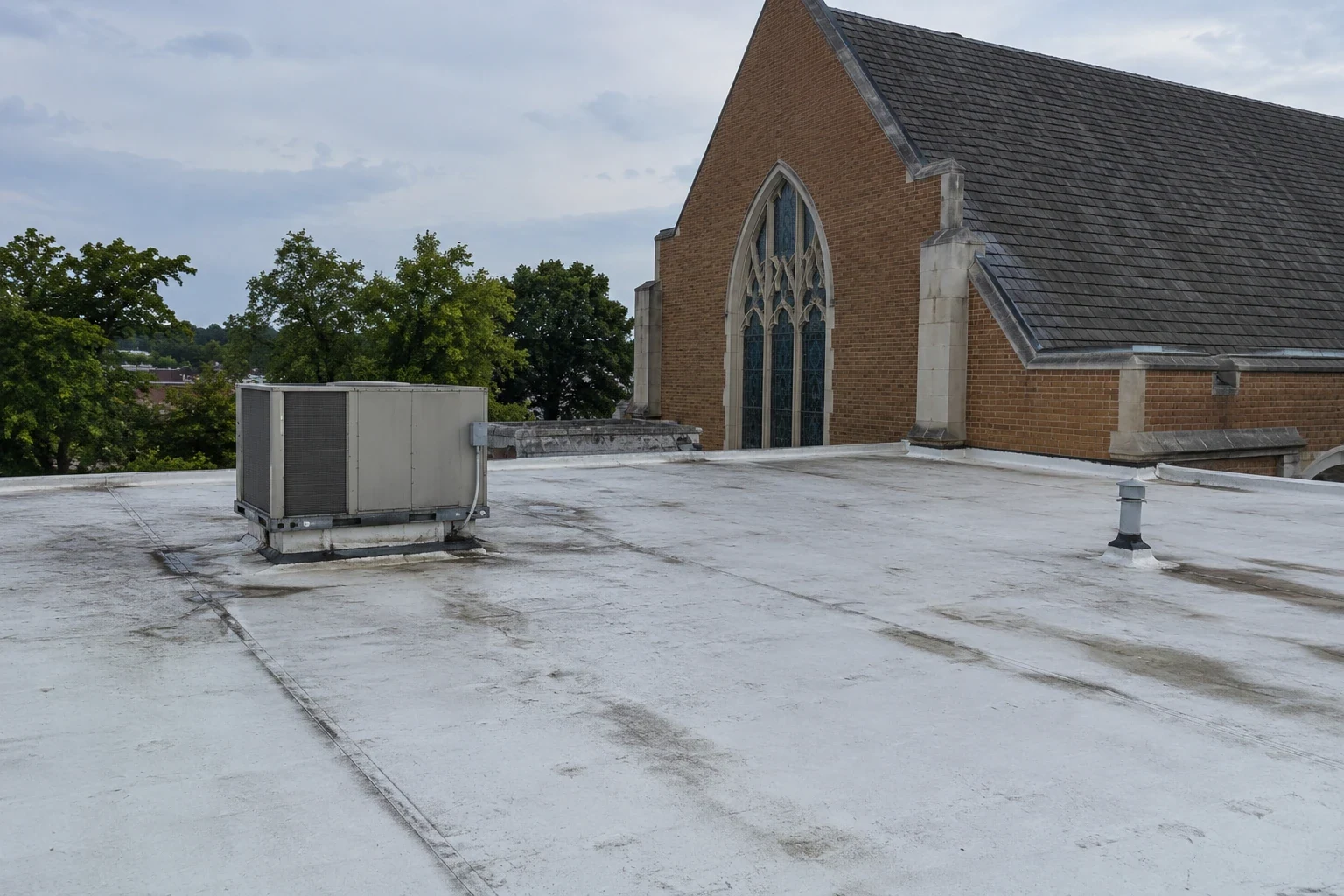
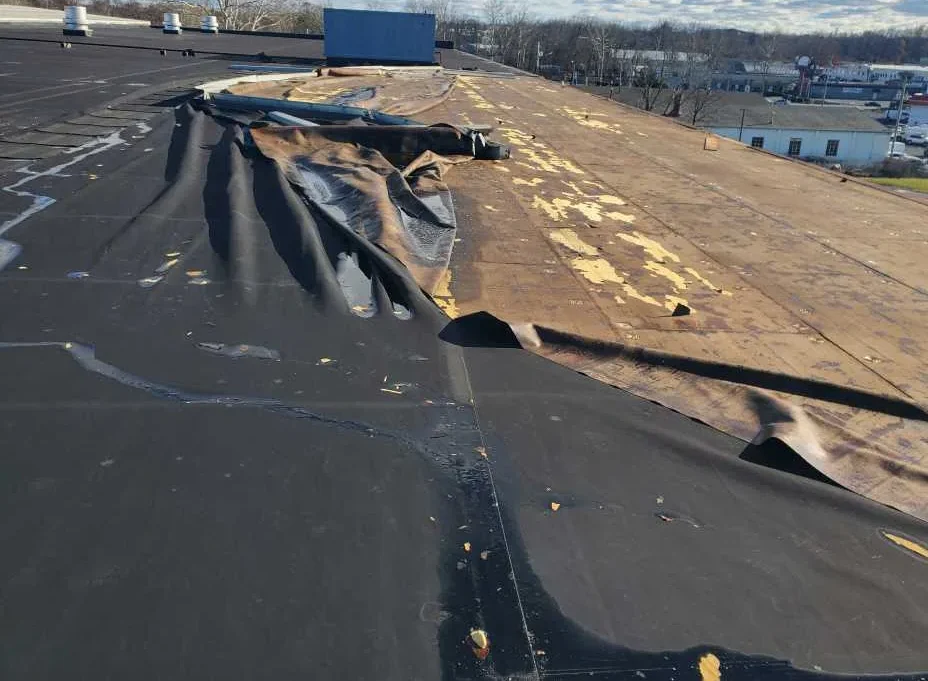
A split lap beside a sanctuary curb gives the first inspection point. We mark the seam, check the nearby flashing, and trace the roof zone above the reported ceiling mark. The facility contact sets occupied hours and access below. We record what is open, what is sound, and which area needs a closer check before staging.
Georgetown's courthouse-square district spans about 40 blocks with civic, business, county, and residential uses. FM 971 also links I-35 and SH 130 through commercial development, schools, housing, and a regional park. Those different settings bring different delivery and access conditions. The building contact sets the route and gathering calendar for the church itself.
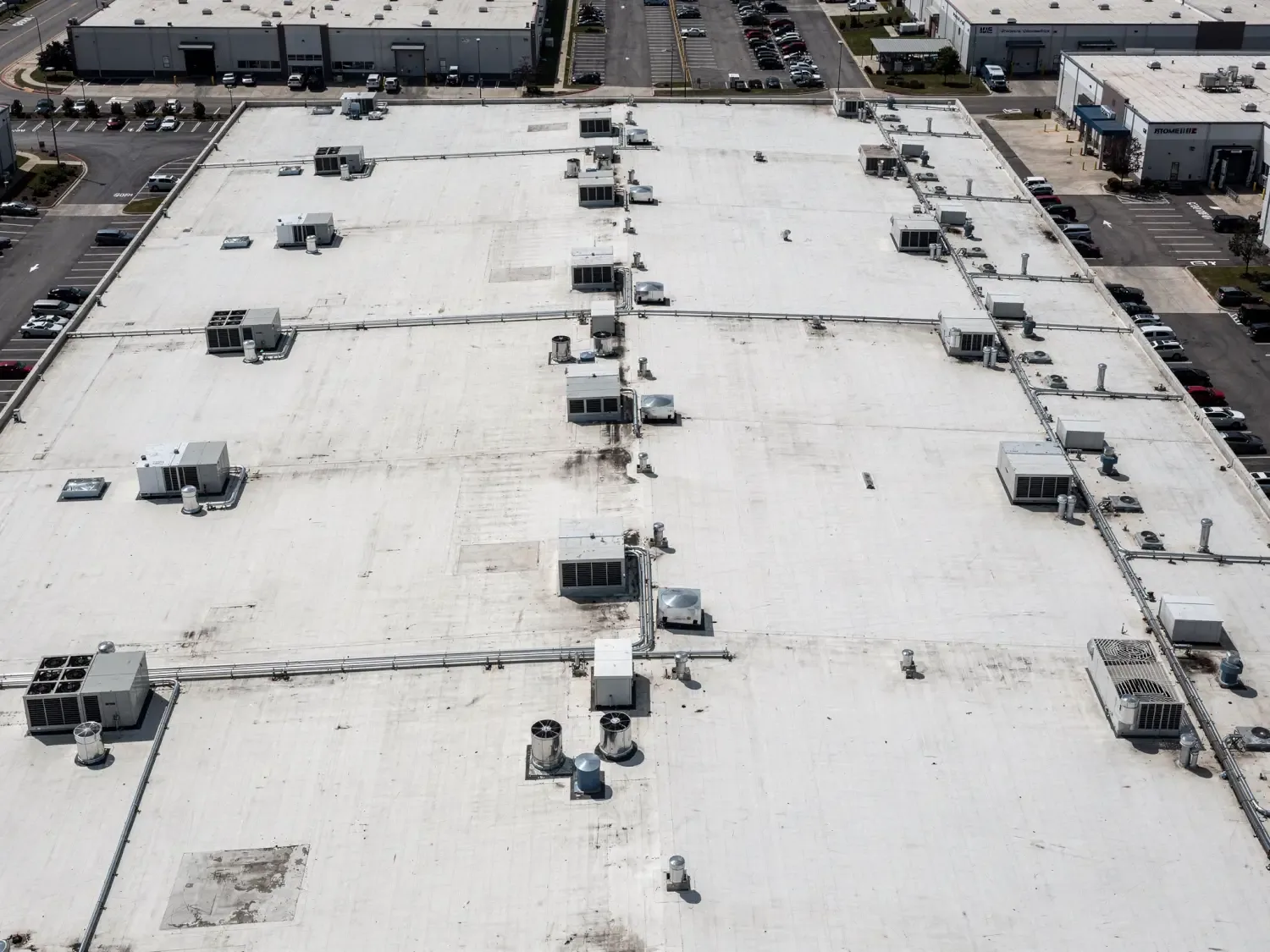
We identify the roof system before specifying a repair. A single-ply membrane needs review at field seams, end laps, terminations, and penetrations. Modified bitumen and built-up assemblies call for a different look at laps, surfacing, and transitions. A standing-seam roof has panel joints, clips, fasteners, and perimeter details to inspect. A roof map records the type and condition by section, since one campus can contain more than one assembly.
Sanctuary roofs often connect to lower education, office, kitchen, or fellowship wings. We inspect the tie-ins between heights and note where water could cross from one section to another. Drains and scuppers receive a separate check for debris, blockage, and standing-water evidence. A hands-on roof inspection establishes the accessible boundary before we recommend a repair, recover, or replacement.
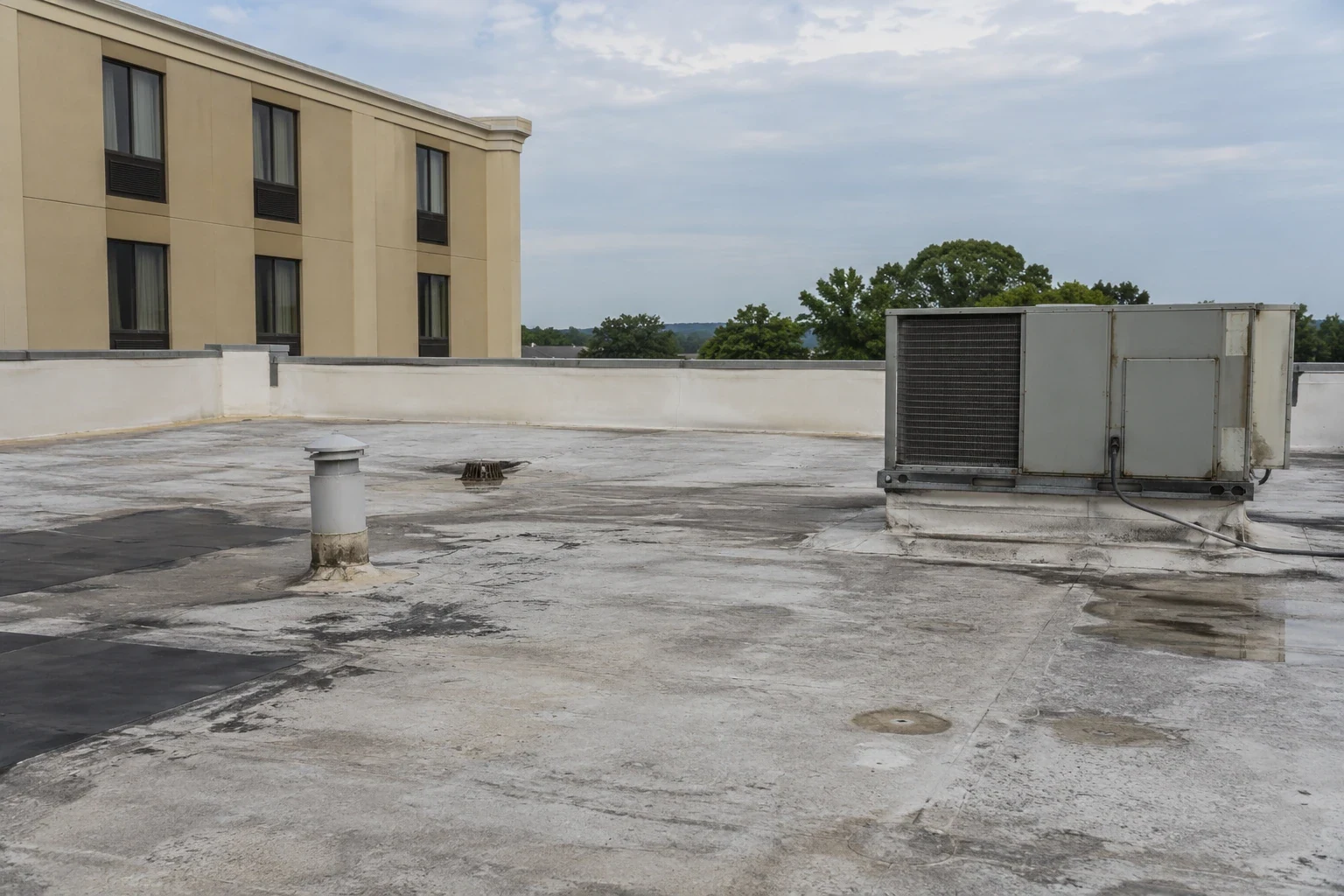
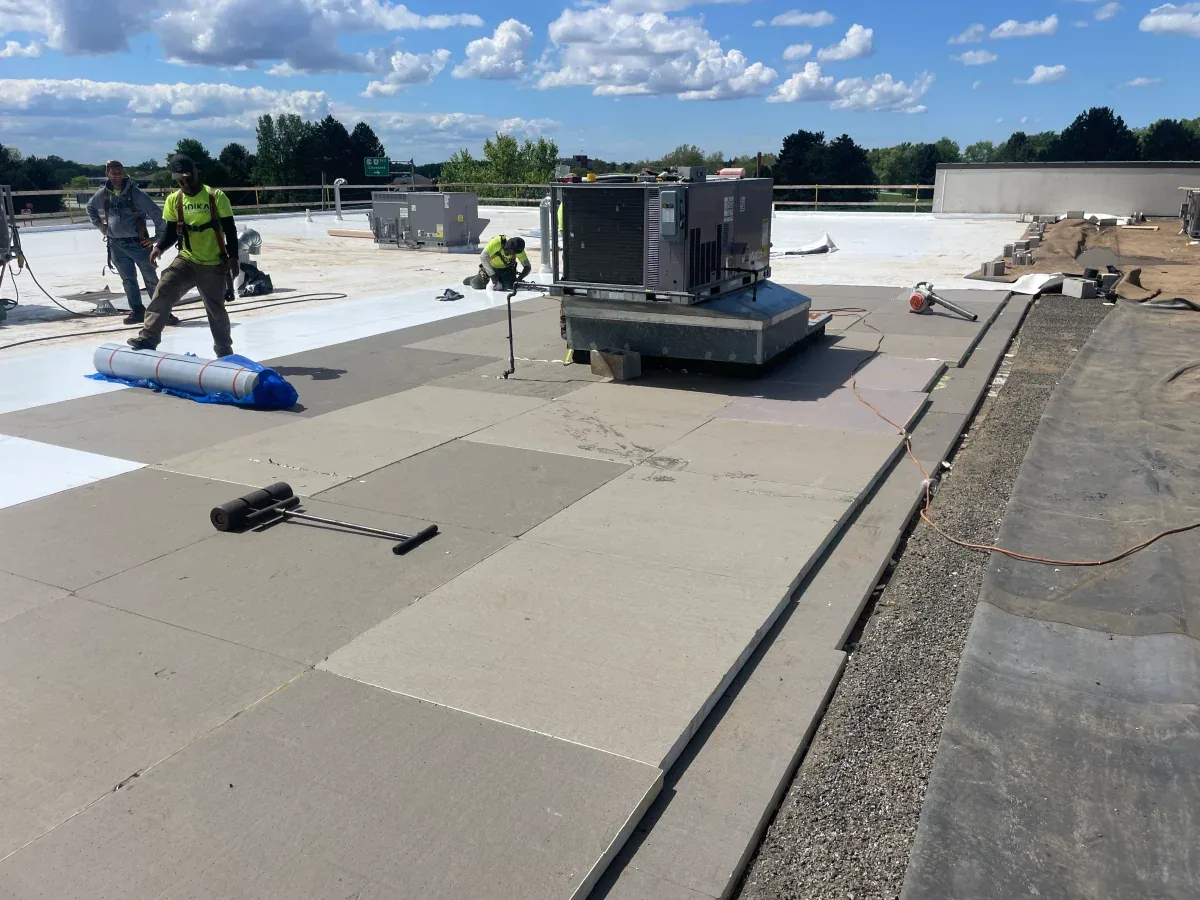
Roof-mounted equipment and later additions deserve attention too. Conduit supports, exhaust curbs, and skylight frames can interrupt membrane continuity. We check the flashing and the surface around each detail, then identify any trade coordination needed. We do not move equipment without site direction. A penetration-flashing repair may be separated from broader field work when the surrounding roof remains serviceable. Roof work beside school-use wings also calls for a clear access boundary. If another trade changes a curb or conduit, we set its handoff before closing the transition. Administrative wings with flat roof areas may also need the access sequence used for an office roof inspection.
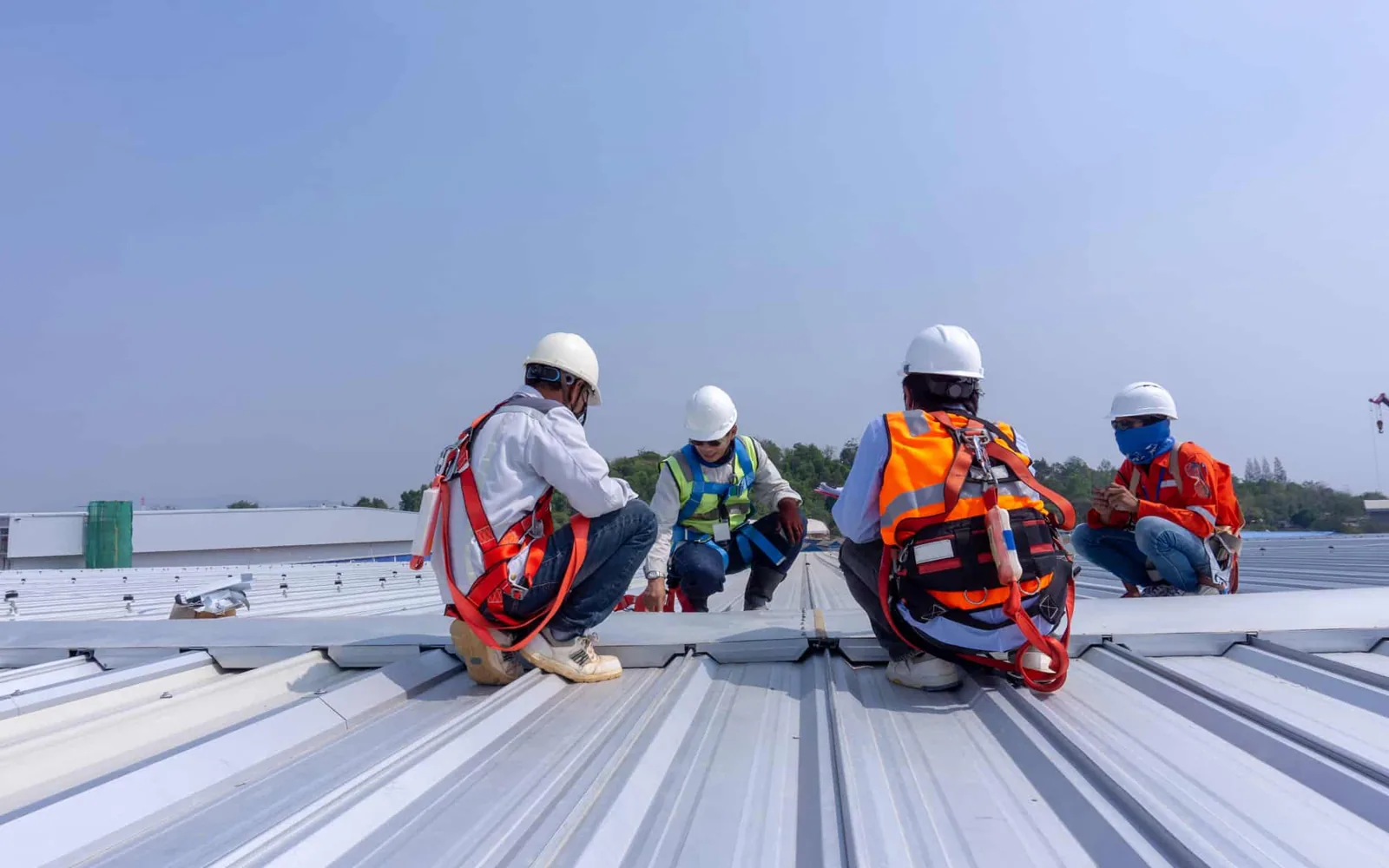
Church work shares the property with worship, school, food service, counseling, and community programs. The facility representative identifies entrances in use, delivery windows, and any room below the planned work area. We locate the lift, dumpster, and material staging before the work date. The route must preserve exits and keep congregants away from overhead handling.
A sanctuary service can make a short work window more useful than a full-day closure. We can sequence by roof zone, complete a secure dry-in, and clear the ground route before the next gathering. For multi-wing properties, the plan identifies which building remains active and where staff can reach the crew. A phased occupied-building plan keeps the daily boundary visible to church staff and trades.
Weather changes the plan. Georgetown summer highs commonly reach the 90s, and recent station readings have exceeded 100 degrees Fahrenheit. Heat affects crew exposure, adhesive handling, and how long an open section can remain workable. The superintendent sets a daily roof limit, watches material requirements, and stops before the protection plan is compromised. If the work window contracts, the crew reduces the opening instead of carrying an exposed edge into the next shift.
Severe weather can leave different signatures across a roof. We check edge metal, membrane laps, flashing, rooftop supports, and drainage after a reported event. Hail marks on equipment may support a closer review, but they do not establish membrane damage. We photograph each observed condition and keep its roof-zone location with the report. The event date is context; the field condition controls the work boundary.
In March 2022, a tornado path crossed Williamson County from the Round Rock side toward Granger. Jarrell's 1997 F5 event is a separate county storm marker. Neither establishes that a particular church was affected. A storm visit checks the building in front of us. A tornado-related roof review can record displaced metal, open laps, punctures, and other visible conditions without assigning unsupported cause.
Ordinary aging can look different from a fresh impact. Brittle sealant, repeated patches, surface loss, and recurring water entry may point to a maintenance or system issue. We compare those signs with the roof's assembly and repair history. If moisture below the membrane could change the scope, we mark a test area and explain what the opening will confirm. A moisture survey can help narrow candidate areas, but it does not replace confirmation.
An isolated flashing failure may support a focused repair when adjacent membrane and substrate are sound. We prepare the surface, make a compatible tie-in, and photograph the finished detail. If similar defects repeat across wings, the owner may compare a broader repair with recover or replacement. The report states the verified area and lists anything concealed or untested. A defined repair scope helps a general contractor coordinate the work without treating every roof zone as affected.
Recover is considered only after checking attachment, moisture, drainage, edge height, and existing layers. Tear-off may be appropriate when wet insulation or deck conditions require access. A replacement design can address insulation, cover board, membrane, metal, and drain transitions together. A replacement evaluation compares the available paths against the observed assembly and the church's operating calendar.
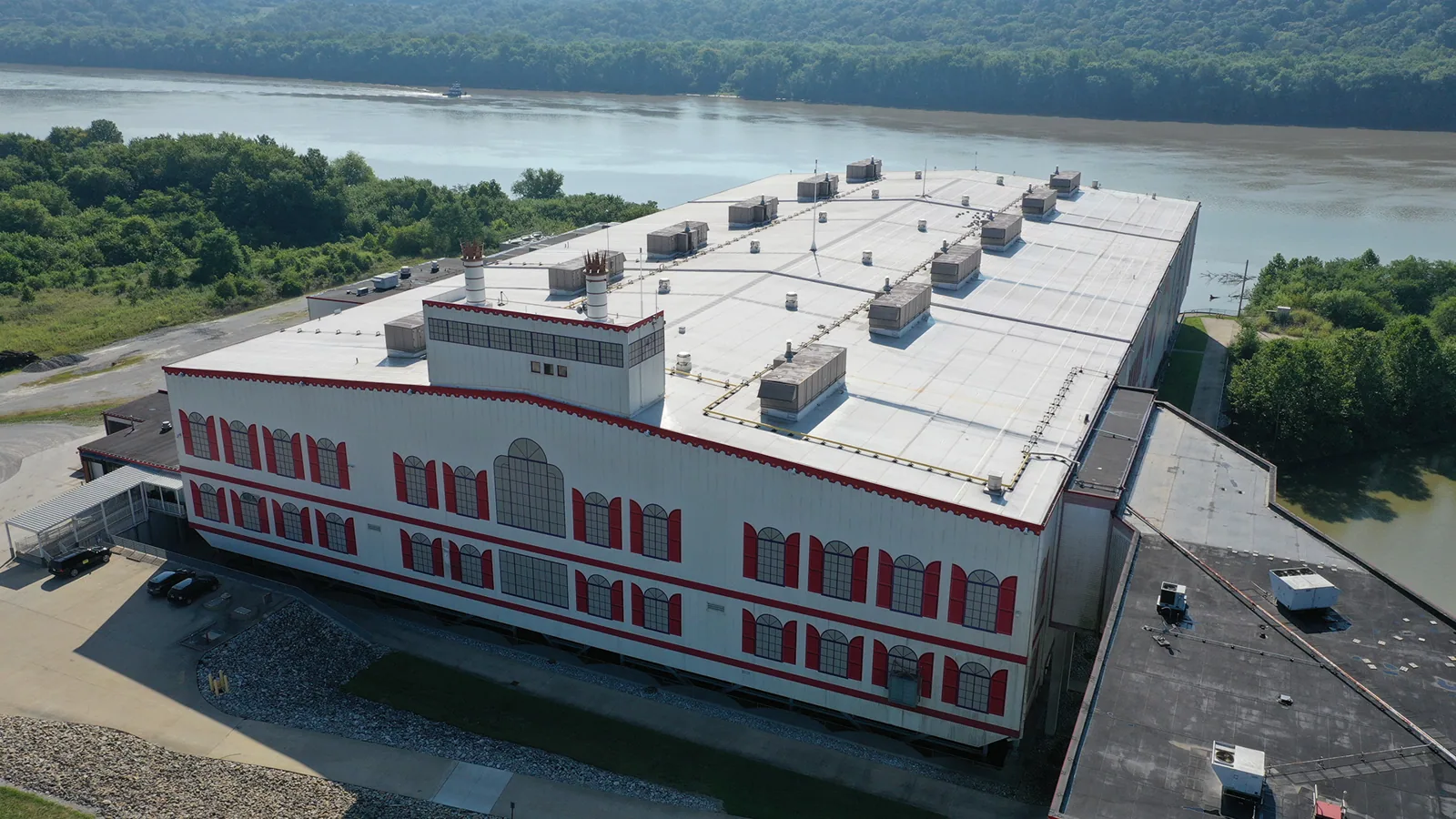
Cost and duration move with access, roof layers, removal limits, wet material, deck repairs, and the amount of work that can be protected each day. Multiple roof heights may require separate lifts or fall-protection setups. We state assumptions and exclusions in the scope. If an opening reveals a different condition, that discovery becomes a hold point before the boundary expands. The church representative sees the change before added work proceeds.
At the end of a shift, the superintendent checks the temporary tie-in, removes loose material, and confirms that drains and paths remain clear. The handoff names completed areas, work left open for the next visit, and the contact who accepted the status. For a campus with several buildings, the map uses building and roof-zone labels rather than informal directions. Photos show the repair and the adjacent transition.
After completion, the closeout includes materials, dates, test results, and areas not reached. That record helps the next maintenance walk distinguish the repaired seam from a nearby condition. Georgetown's mixed-use core and the FM 971 commercial route help with arrival planning, while each church's access rules set the field route. Share the roof plan, affected room, gathering schedule, and site contact before mobilization.
For buildings near the Downtown Georgetown district, delivery timing may differ from properties along the outer commercial corridors. We confirm parking, lift position, and the roof access point with the facility representative. A condition report can preserve findings for future budgeting and maintenance review.
We set the work window with the church contact and sequence roof zones around the calendar. Lift placement, noise-producing tasks, and the ground route are agreed before mobilization. Weather and safety limits still control the daily opening.
Start with exposed edges, seams, flashing, rooftop supports, and drainage. We document visible conditions by roof zone and separate fresh observations from existing wear. The storm report alone does not set a repair quantity.
We compare the interior location with the roof above, then follow nearby seams, walls, drains, and penetrations. Water can move along a deck before it appears indoors. A test opening may be needed if the source remains uncertain.
Often the work can be divided by roof zone, but access, fire egress, staging, and the condition of the tie-ins decide the sequence. We confirm the ground route and dry-in point with the church contact before opening a section.
Keep the dates, roof-zone references, photos, materials, test results, and any area excluded from the work. We also identify the person who accepted the final handoff and any follow-up inspection point.