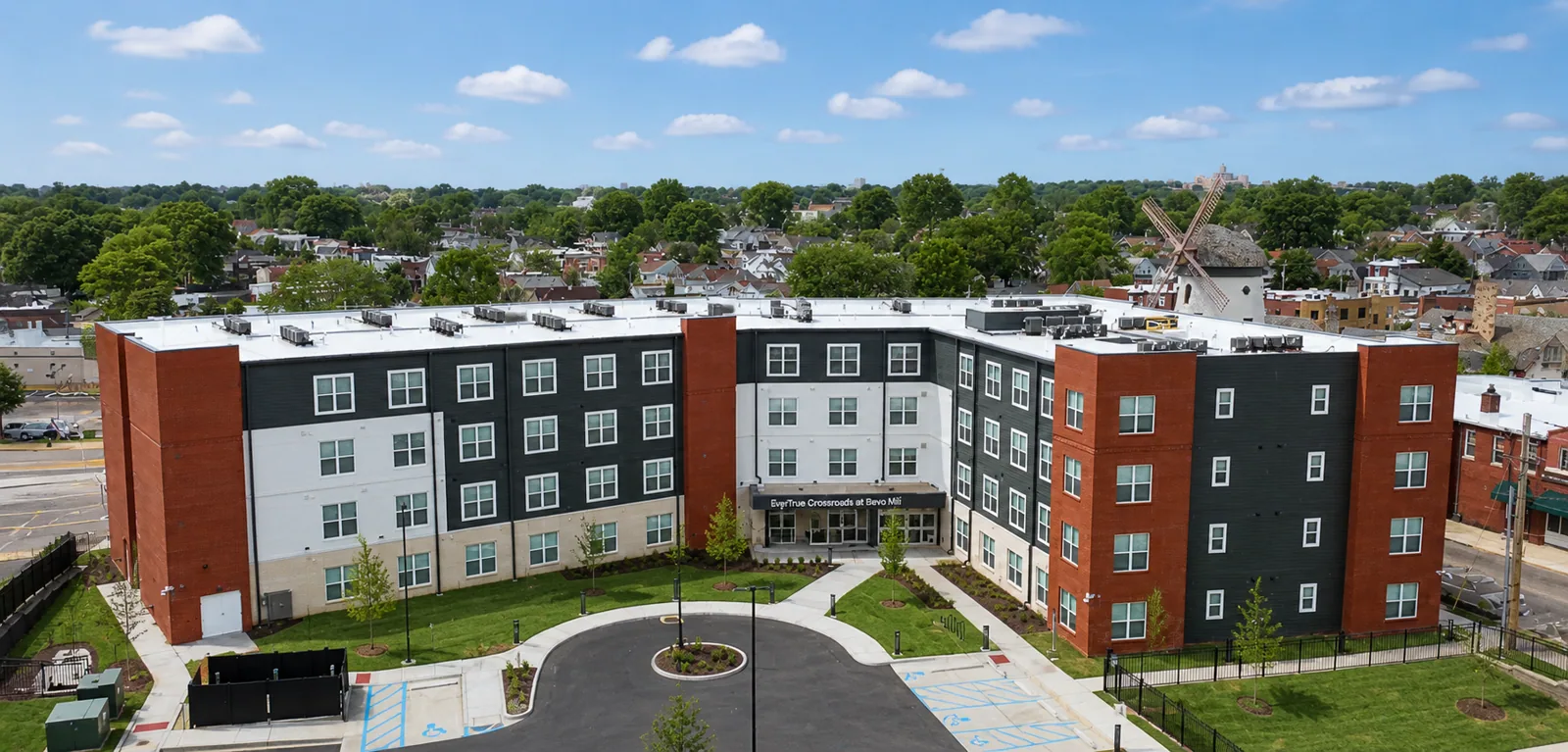
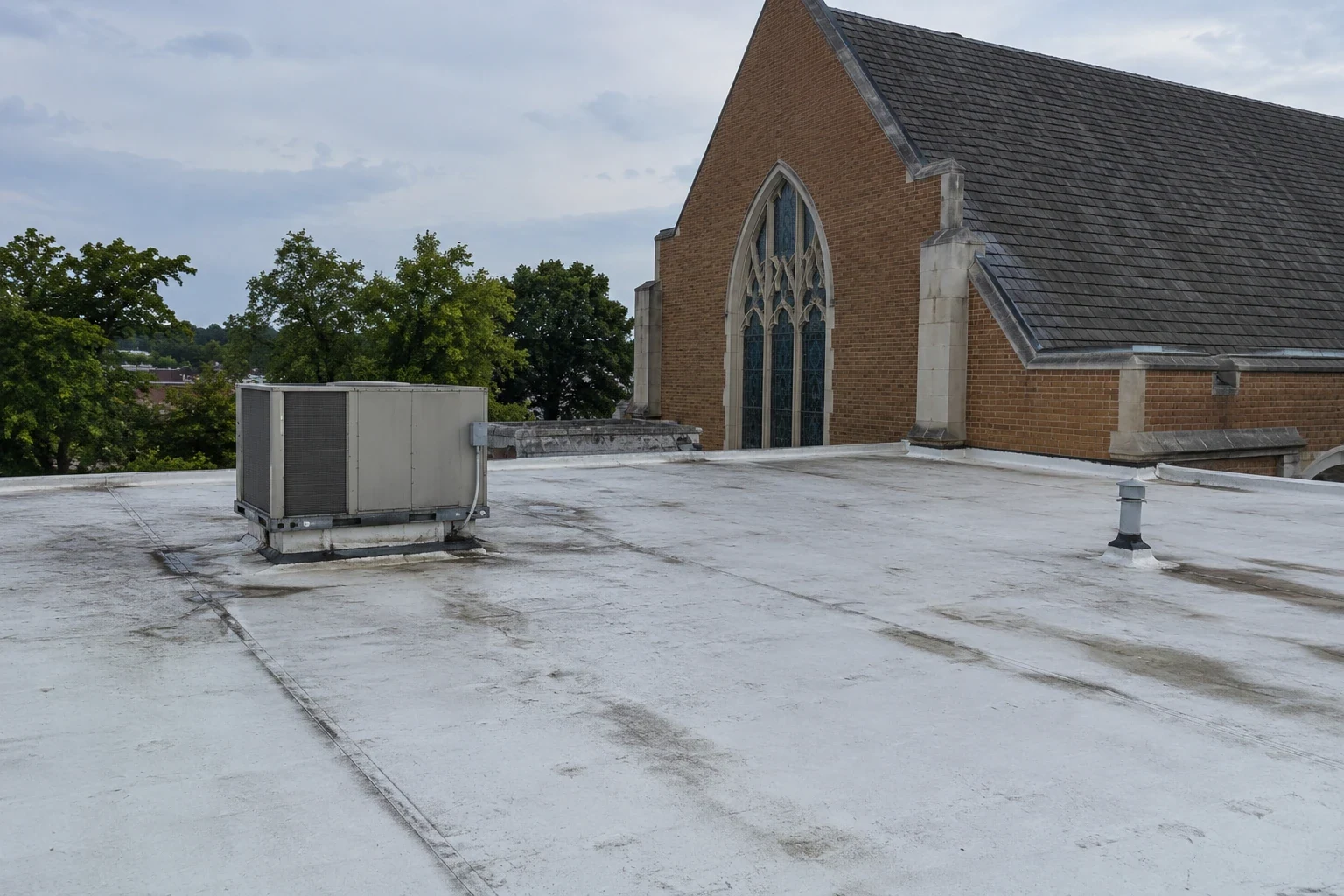
A failed curb flashing above one occupied bay sets the first inspection route. We check the curb, membrane, and adjacent drain, then mark which tenant space sits below the roof zone. A shared roof does not mean shared access or identical equipment. The property contact identifies the work boundary and tenant notice path before staging.
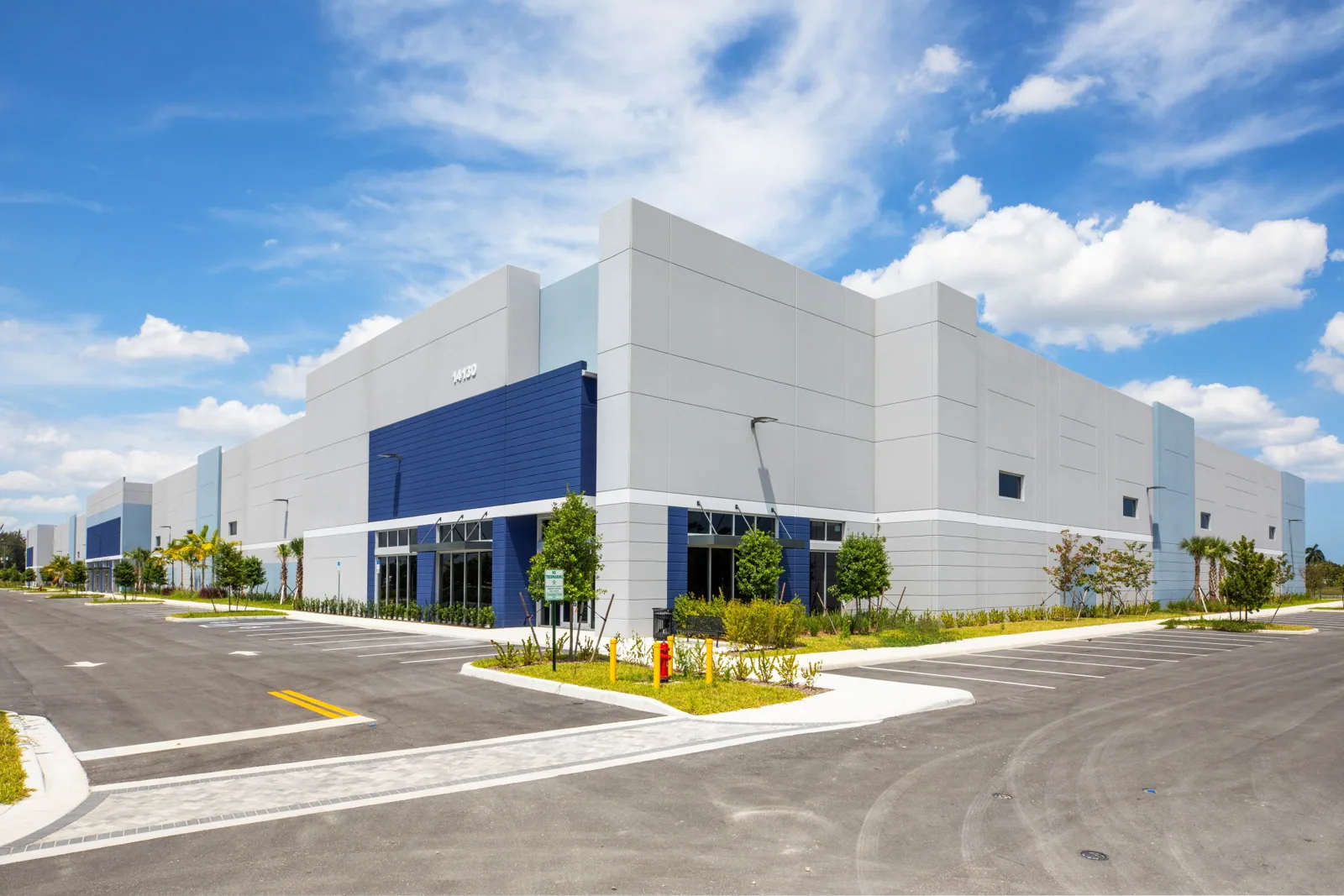
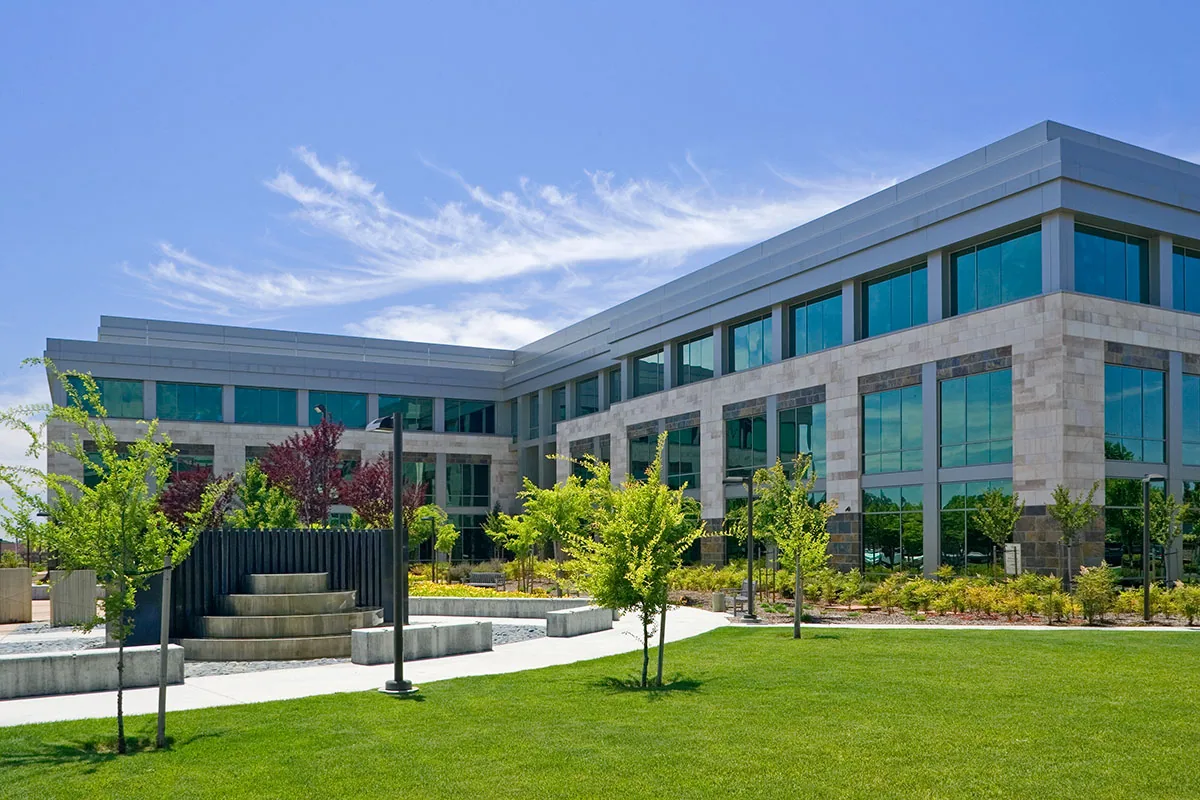
NorthPark35 and Georgetown Logistics Park are planned for additional industrial buildings and business activity, adding different operating windows and roof assemblies to the market. A trio of Class A industrial structures forms Berry Creek Business Park close to both I-35 and SH 130. Each park includes varied industrial activity. We inspect the actual property before specifying the roof assembly or repair. A warehouse roof can present a different access and drainage map than a flex building with several tenant bays.
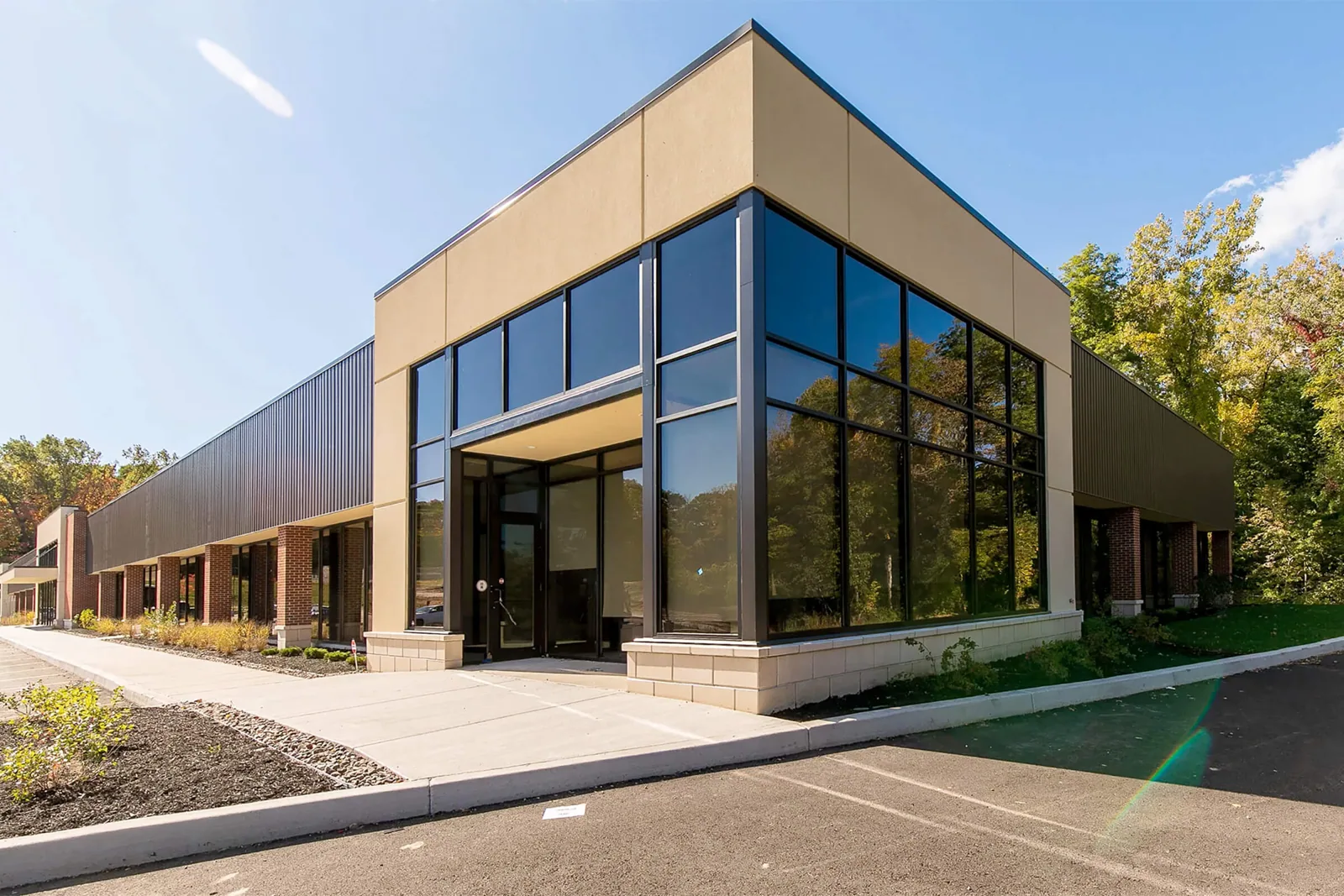
Flex space may combine warehouse bays, light assembly, showroom frontage, and small offices under one roof. Tenant doors, loading docks, and equipment zones can be controlled by different contacts. We ask who can grant roof access, who controls each bay, and who receives notice if a ground route changes. The roof map uses building and zone labels rather than tenant names.
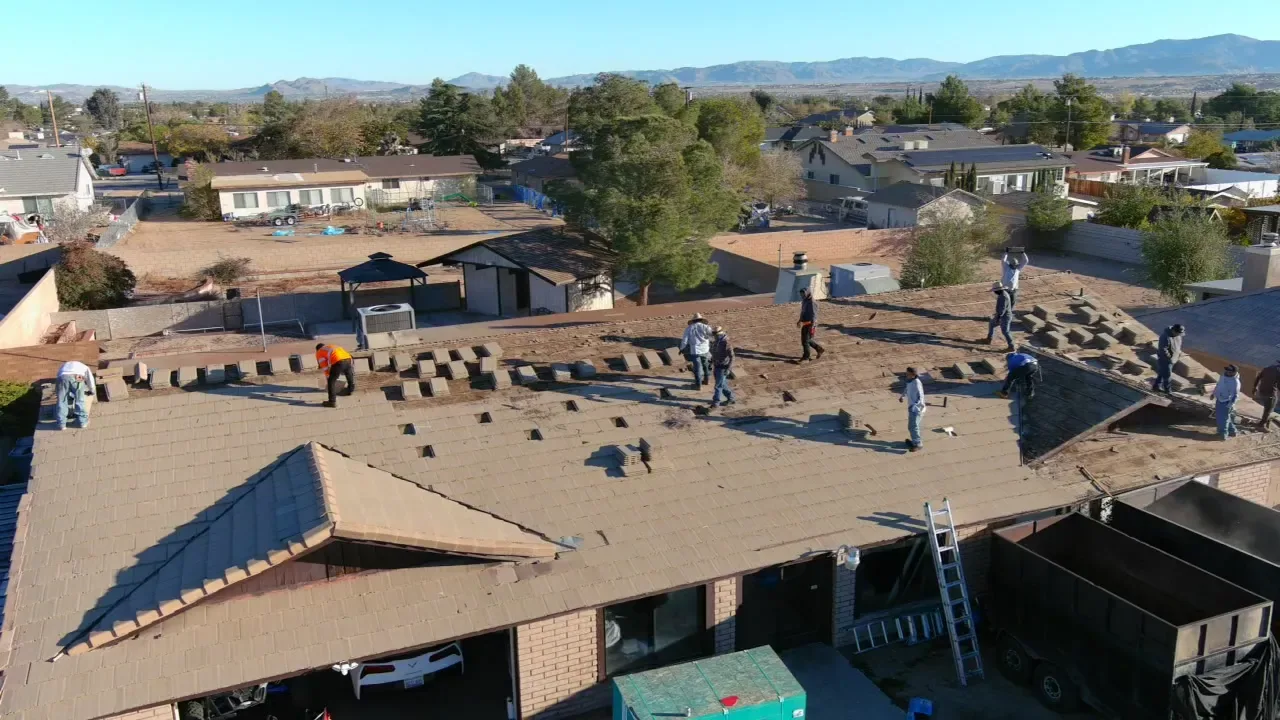
Before a lift arrives, we mark dock doors, fire lanes, customer entrances, and material staging. A delivery path that works before dawn may conflict with outbound freight later in the day. The property manager chooses the operating window; the superintendent keeps the crew inside it. If a bay must stay available, we plan around that hold point or move the work to another section.
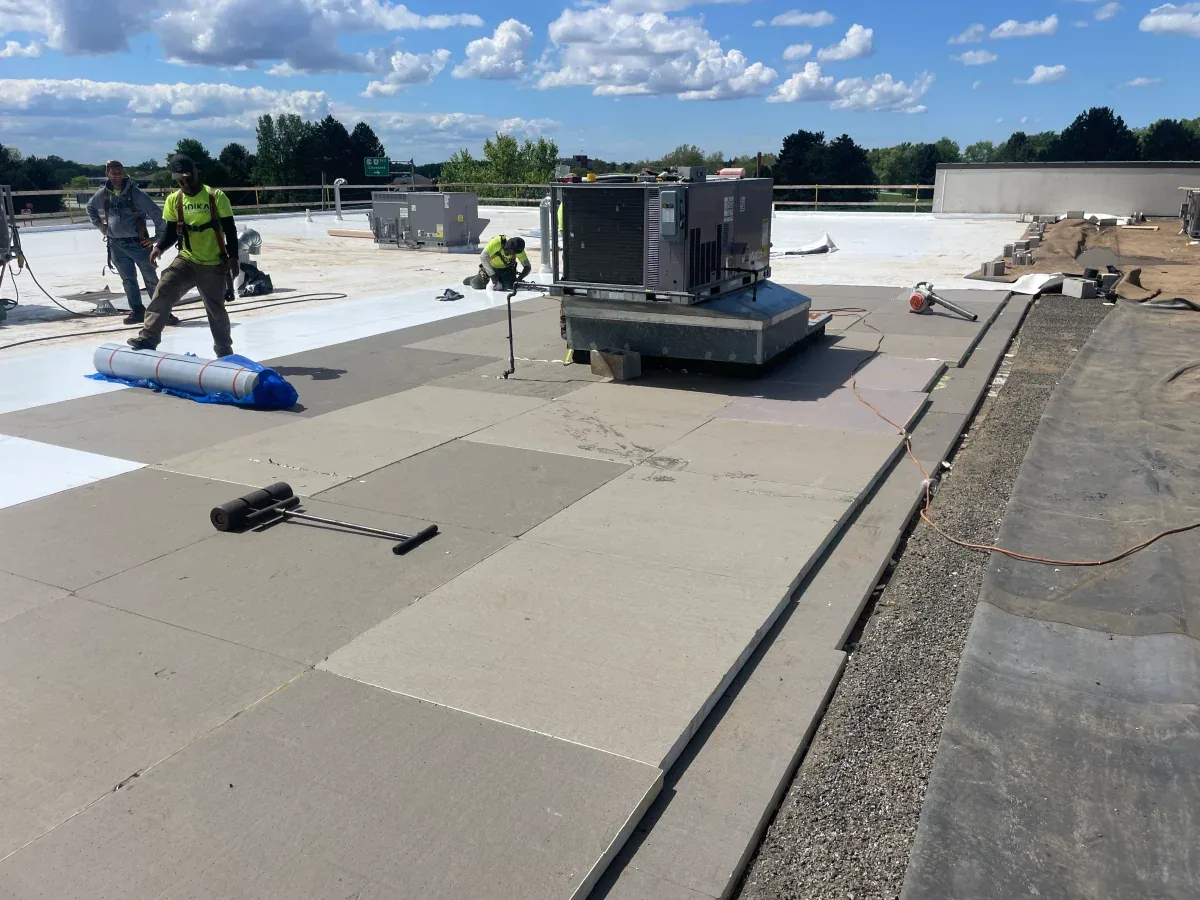
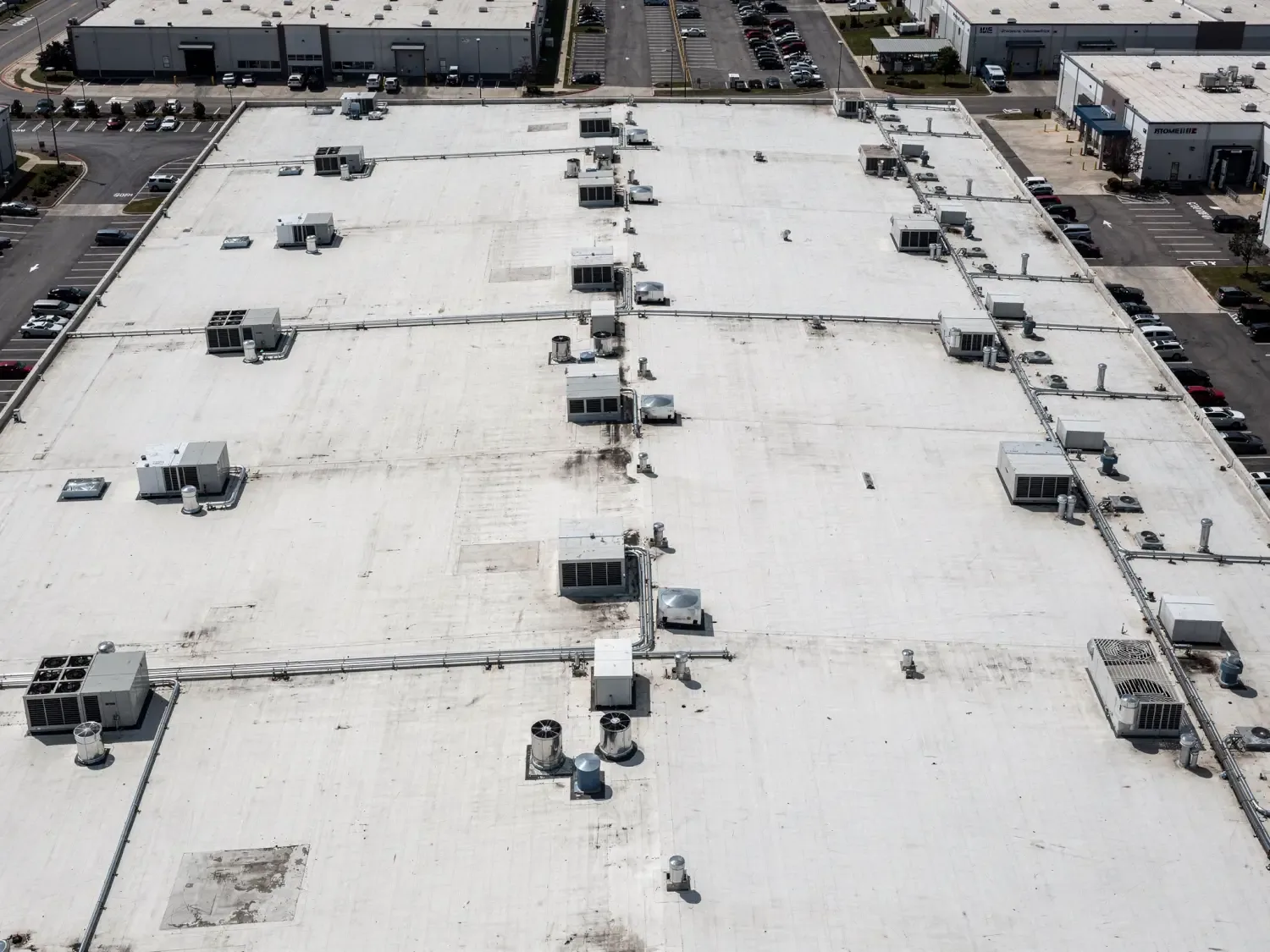
Shared rooftop units complicate responsibility. We identify each curb, conduit run, exhaust fan, and support rail, then confirm which trade owns shutdown or movement. We do not disconnect tenant equipment. A phased work sequence can separate tenants by roof zone while preserving dry-in and ground access. Office suites attached to a flex bay may need a separate interior notice and access window.
One flex property can contain a membrane over office space, metal panels over a loading bay, and an older addition with a different assembly. We identify each section before ordering materials. Single-ply seams and terminations, metal fasteners and laps, and modified-bitumen surfacing call for different repair methods. An assumption based on one roof edge can lead to a poor tie-in elsewhere.
We inspect drains, scuppers, gutters, and flow paths separately. A blockage may need maintenance, while a low area, failed seam, or bad transition calls for repair. We note water marks and ponding evidence without treating either as a complete diagnosis. If a leak appears at a tenant partition, the roof opening may be a distance away. The interior report guides the walk; it does not set the roof quantity.
At penetrations and perimeter conditions, we check flashing, metal, sealant, and the surface around the detail. If a test opening is warranted, we name what it should confirm and where it will occur. An infrared moisture survey can identify candidate areas for testing, but the scan alone does not establish wet insulation. The manager approves the opening before removal.
A typical Georgetown summer puts roof crews in 90-degree afternoons, and recent highs have cleared 100 degrees Fahrenheit. Heat affects roof exposure, material handling, and the safe length of a work window. We set a daily opening limit and a dry-in location before the crew starts. If conditions shorten the shift, we reduce the section and secure the edge.
The spring 2022 tornado crossed Williamson County after beginning near Round Rock. Jarrell’s 1997 F5 event remains another major storm in the county’s history. After severe weather, we inspect a flex roof’s attachment, seams, curbs, edge metal, and rooftop equipment. A hail-condition review records the roof's actual marks and openings, not an assumed storm quantity.
When water enters during an active tenant shift, we coordinate temporary protection with the manager and affected bay contact. We keep stored goods and electrical equipment below the work zone out of the exposure path. Emergency measures are limited to safe access and conditions that can be controlled. The service note states what was protected and what needs a permanent repair.
A single open seam or failed curb can support a focused correction when surrounding membrane and substrate are sound. Multiple failures at repeated transitions or wet insulation across several bays may require a wider scope. We separate confirmed quantities from areas needing more testing. A repair plan names the specific zones, material, and work limit.
An overlay only works when the existing roof can carry the new system and its perimeter height, outlets, and concealed moisture are acceptable. If inspection finds wet material or a deck question, removal may be the better path. A replacement evaluation can compare the assembly options with tenant access and loading operations in view. Costs depend on roof height, material, disposal, lift access, and the number of separate work zones. We state assumptions about concealed construction.
For a multi-tenant property, sequencing can be priced by roof zone, with alternates for additional areas if testing confirms a broader condition. We do not include unverified work as though it were observed. If deck movement, widespread moisture, or structural distress appears, the crew stops at a hold point and brings the finding to the authorized owner representative before extending the scope.
At the end of each shift, we secure temporary edges, clear drains, remove loose material, and confirm the loading route with the property contact. The daily handoff records which zones are finished, which remain protected, and what access is needed next. The final package includes dated photos, materials, test results, and any area left uninspected. It does not imply that adjoining tenant bays were included.
Industrial addresses near Berry Creek Business Park and NorthPark35 may have different delivery paths from a flex property along FM 971. Local corridors help with arrival planning; each owner sets site rules. Share the roof plan, tenant contacts, loading schedule, known leaks, and emergency procedure before the inspection.
A multi-site roof program can keep condition records consistent when an owner manages several flex buildings. For one facility, the same map and photo discipline still help maintenance staff identify the repair and plan the next walk.
At the first walk, we ask for any tenant fit-out drawings that show added exhaust, supports, or roof penetrations. Prior tenant drawings help locate added exhaust, supports, and roof penetrations. We verify each detail at the roof before setting the work boundary. We note where tenant equipment restricts access and who must approve shutdown. That prevents a repair scope from assuming a roofer can move equipment or enter a controlled bay.
The property manager identifies the access authority and tenant contacts. We map the roof zones, loading routes, and ground restrictions, then confirm notice and work windows before staging.
Water may travel along the deck or a transition. We trace the condition from the reported bay to nearby roof details and identify any interior access needed. The scope stays with confirmed observations.
No. A flex building can have different roof assemblies or additions. We identify each system and make a compatible tie-in rather than applying one detail across unrelated roof sections.
Separate roof zones, height, lift access, tenant restrictions, layers, moisture, deck condition, and disposal route all affect the work. We state assumptions and stop if a concealed condition changes the approved boundary.
We contact the designated property representative, assess safe access, and protect the area that can be reached. The service note identifies the temporary measure and the permanent repair still required.