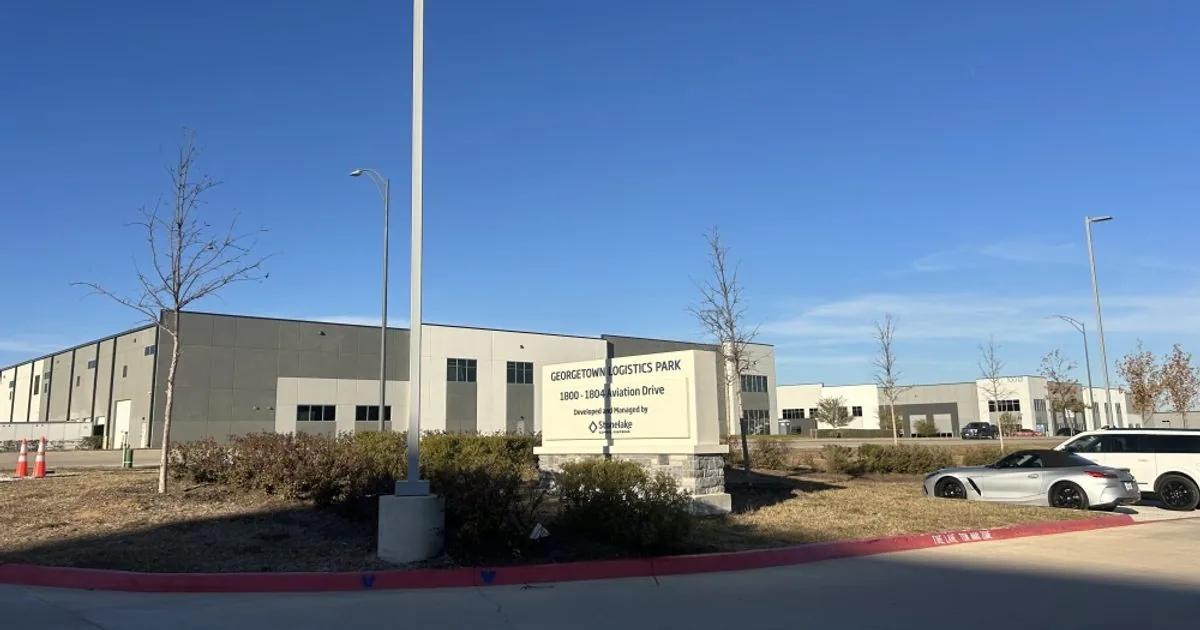
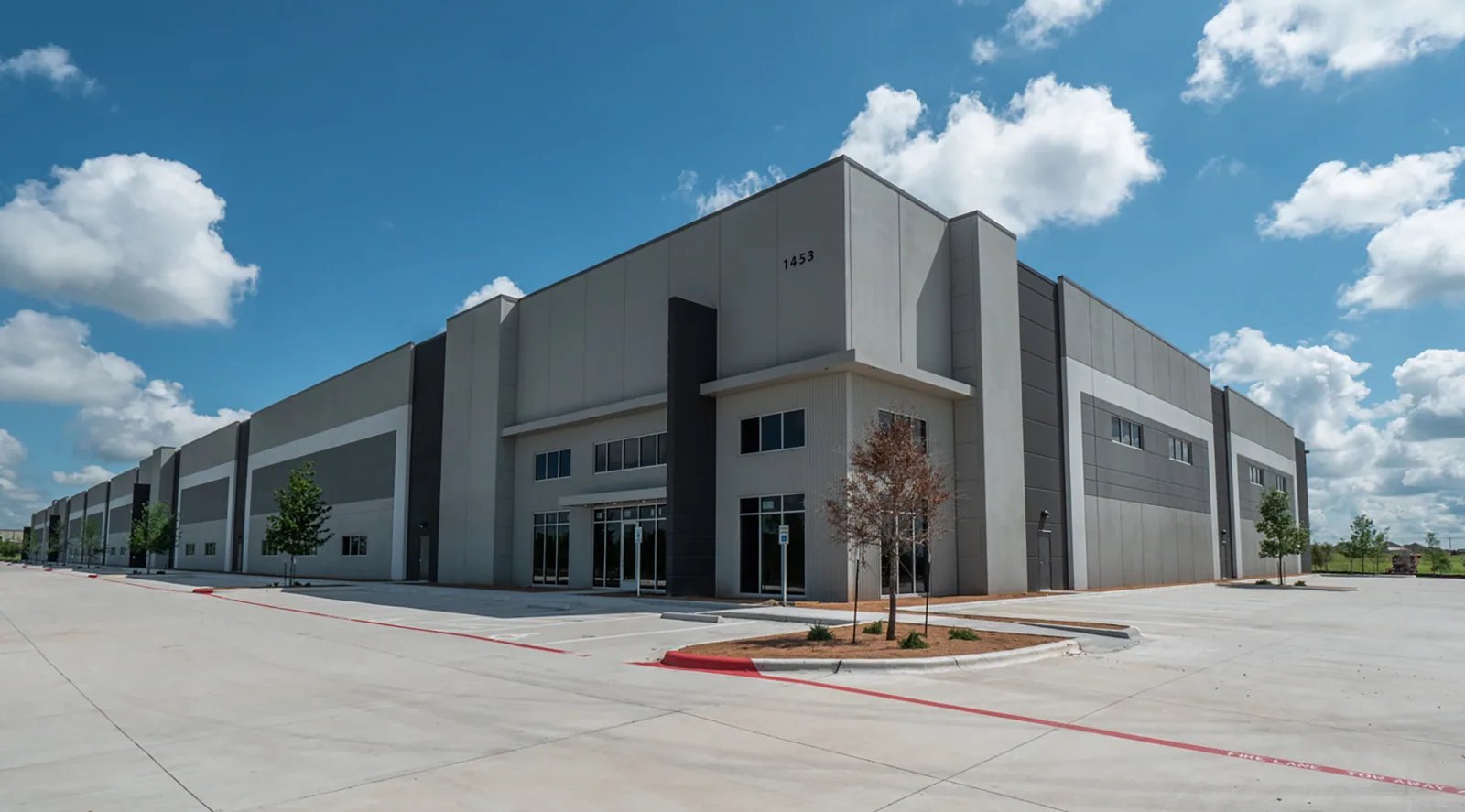
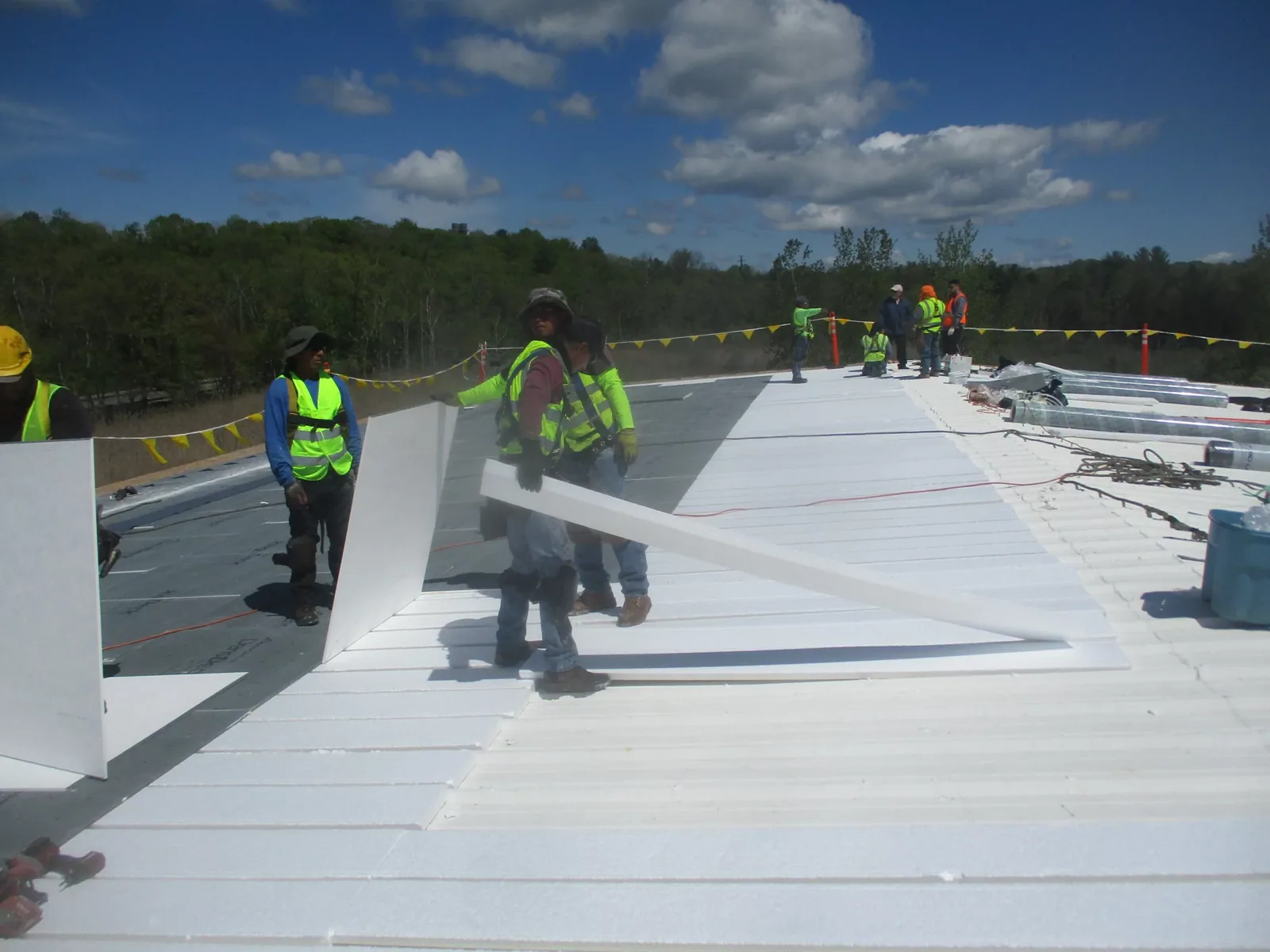
A water stain at a curb calls for a roof-level check first. We inspect the flashing corner, follow the seam away from the interior mark, and set the repair limit before lifting material. Taylor has more than 500,000 square feet of existing industrial buildings available. That describes building space, not roof area or condition. We inspect the actual assembly and review access, drainage, and the next trade’s tie-in. A roof inspection sets a useful roof map before repair or replacement is scheduled.
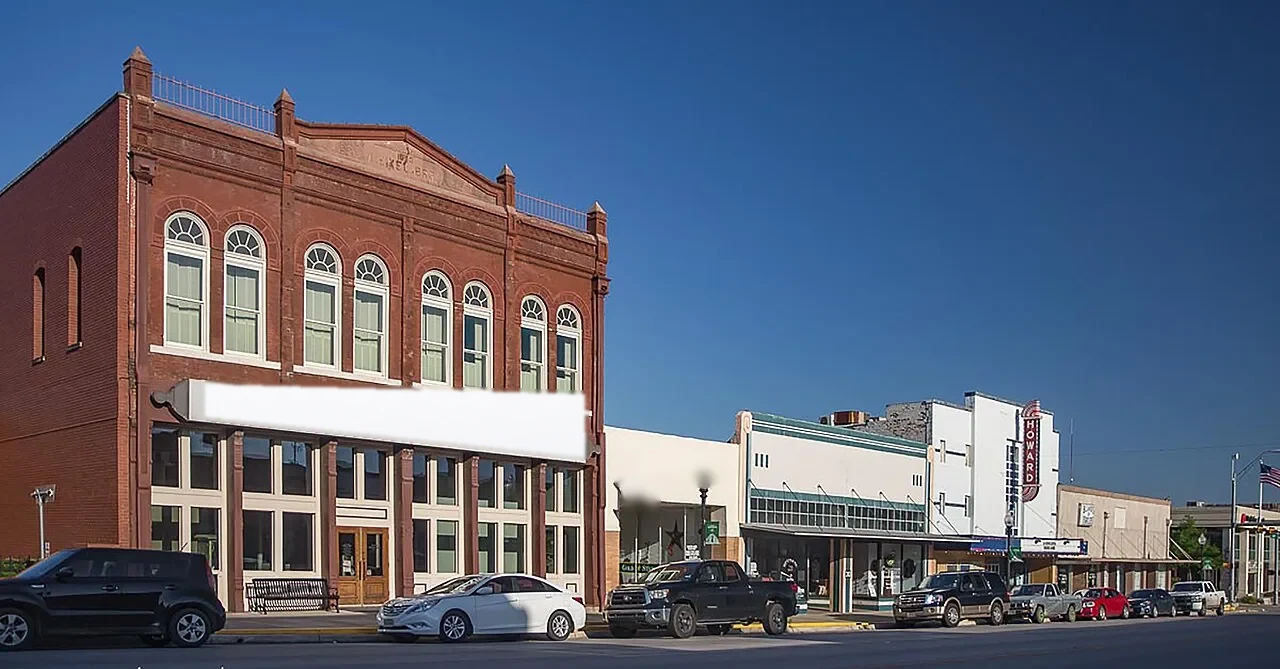
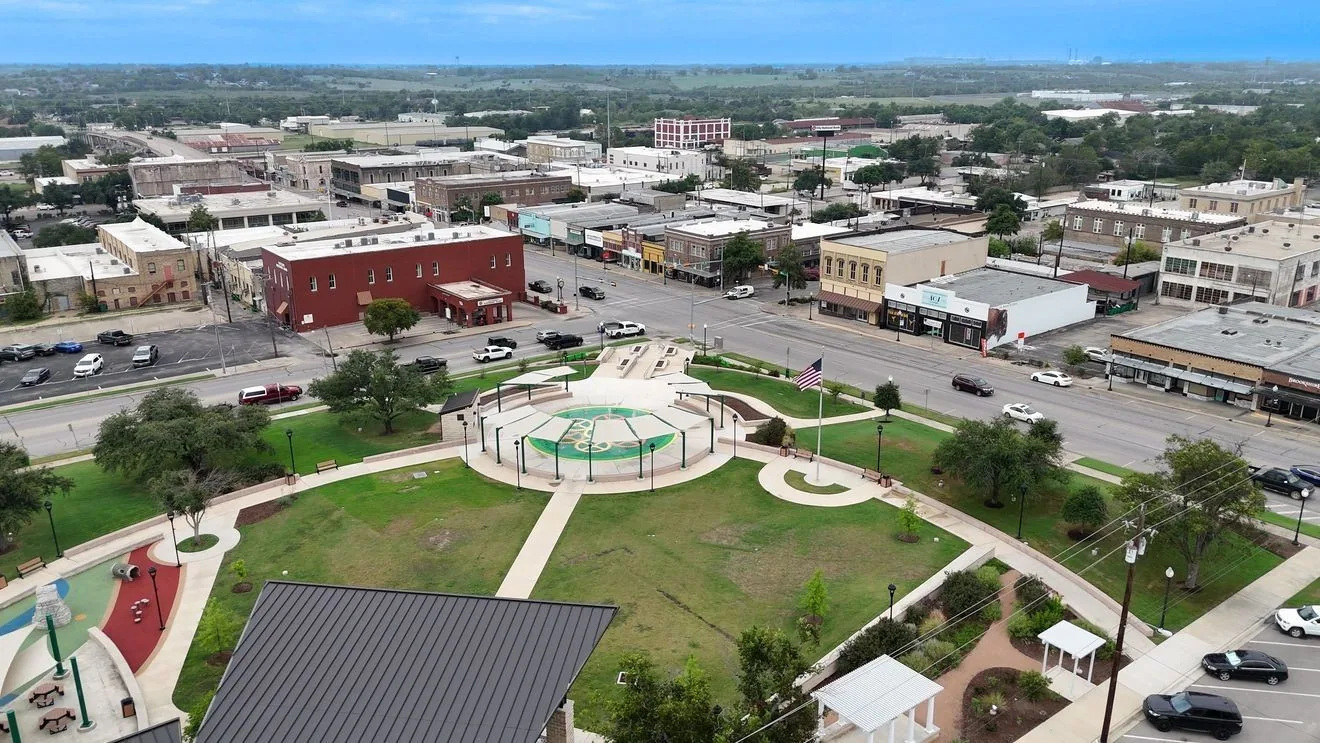
Downtown and north Taylor have more than 100,000 square feet of retail and office space. Those uses call for property-specific access planning and roof records. We check plans, repair records, equipment schedules, and visible field conditions. If the assembly is unknown, mark a test area before selecting materials.
The city’s employment base includes manufacturing and logistics activity along US 79 and SH 95. For a facility operating around deliveries or production, we set the access route and roof boundary with the general contractor. Confirm loading windows, rooftop equipment, and any space below that needs protection. A Downtown and North Taylor roof walk still needs its own access route, map, and handoff.
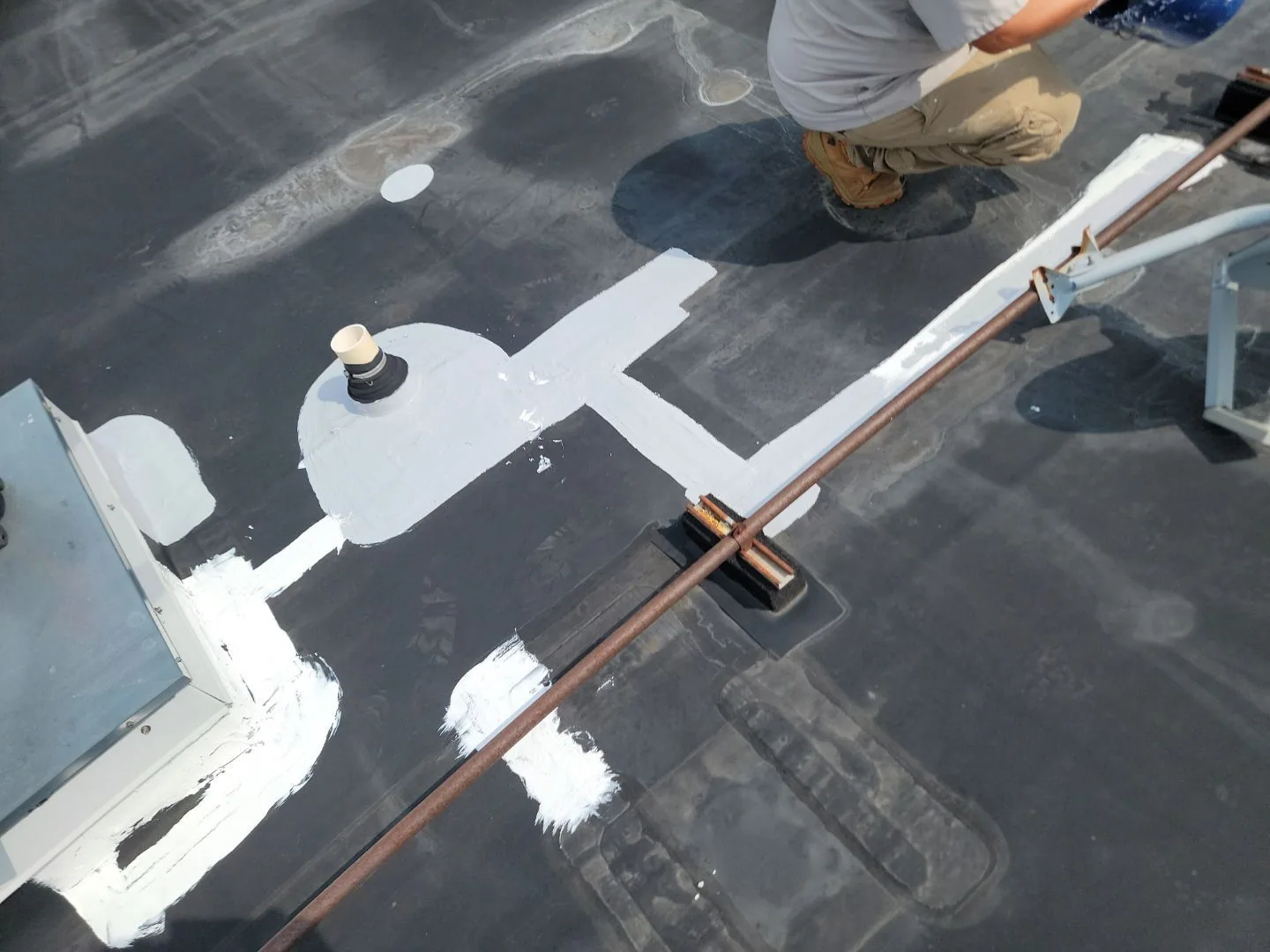
At a seam, we look for separation, failed weld or adhesive, contamination, and movement at the tie-in. At a curb, inspect flashing height, corners, and support conditions. At the edge, check metal laps, attachment, and membrane termination. The report connects each observed condition to a roof zone and distinguishes confirmed damage from a path that still needs testing.
When a leak is reported, compare the interior mark with slope, penetrations, wall transitions, and drains. Water may travel before it appears below. A drain bowl can look open while its membrane connection is loose. If wet insulation or weak deck is suspected, stop before opening a larger area and set a test boundary. A leak repair visit can control active water, while a separate assessment determines whether surrounding material remains sound.
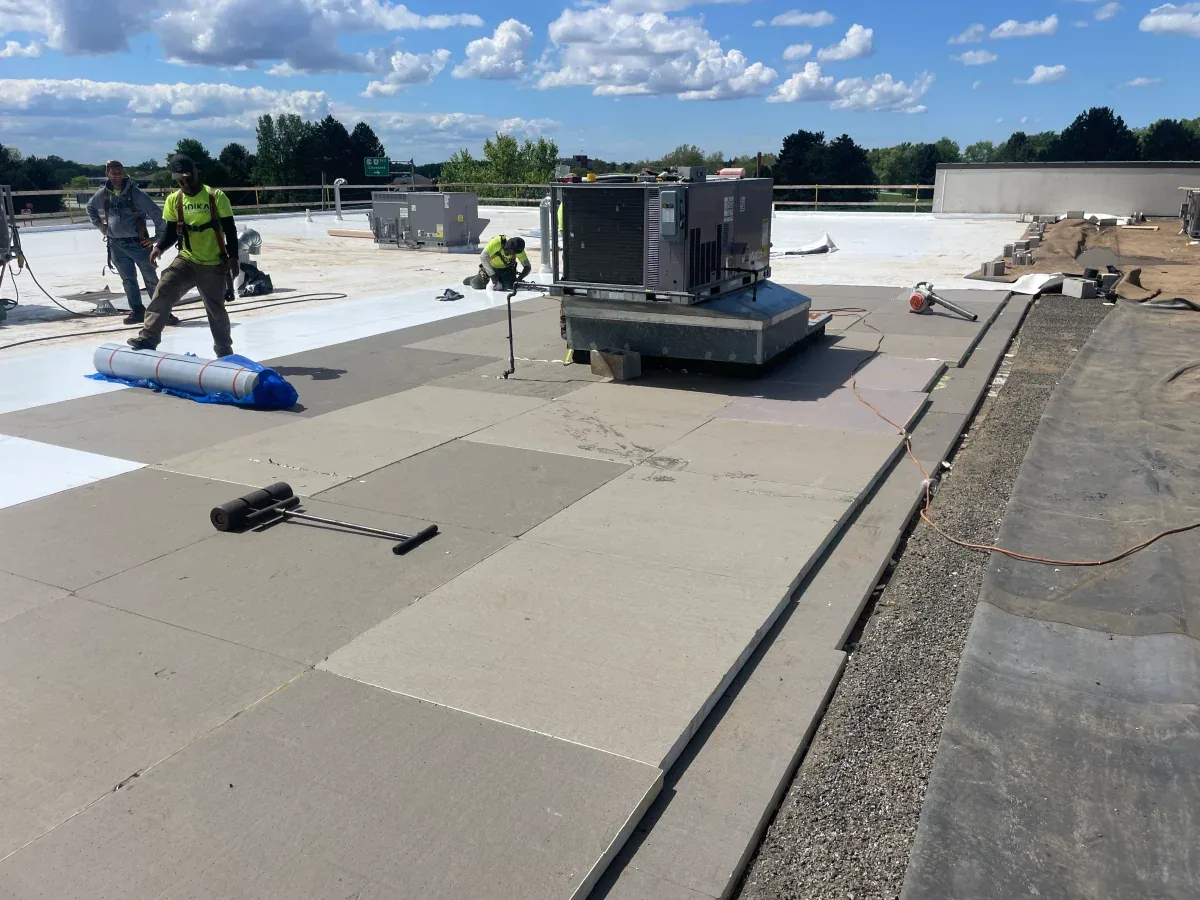
At a Taylor industrial building, equipment and trade access can shape the repair sequence. We confirm service clearances and identify who handles disconnects, lift work, and final curb flashing. Manufacturing or logistics activity along US 79 and SH 95 informs site coordination, not the roof material selection. The field walk and project documents make that decision.
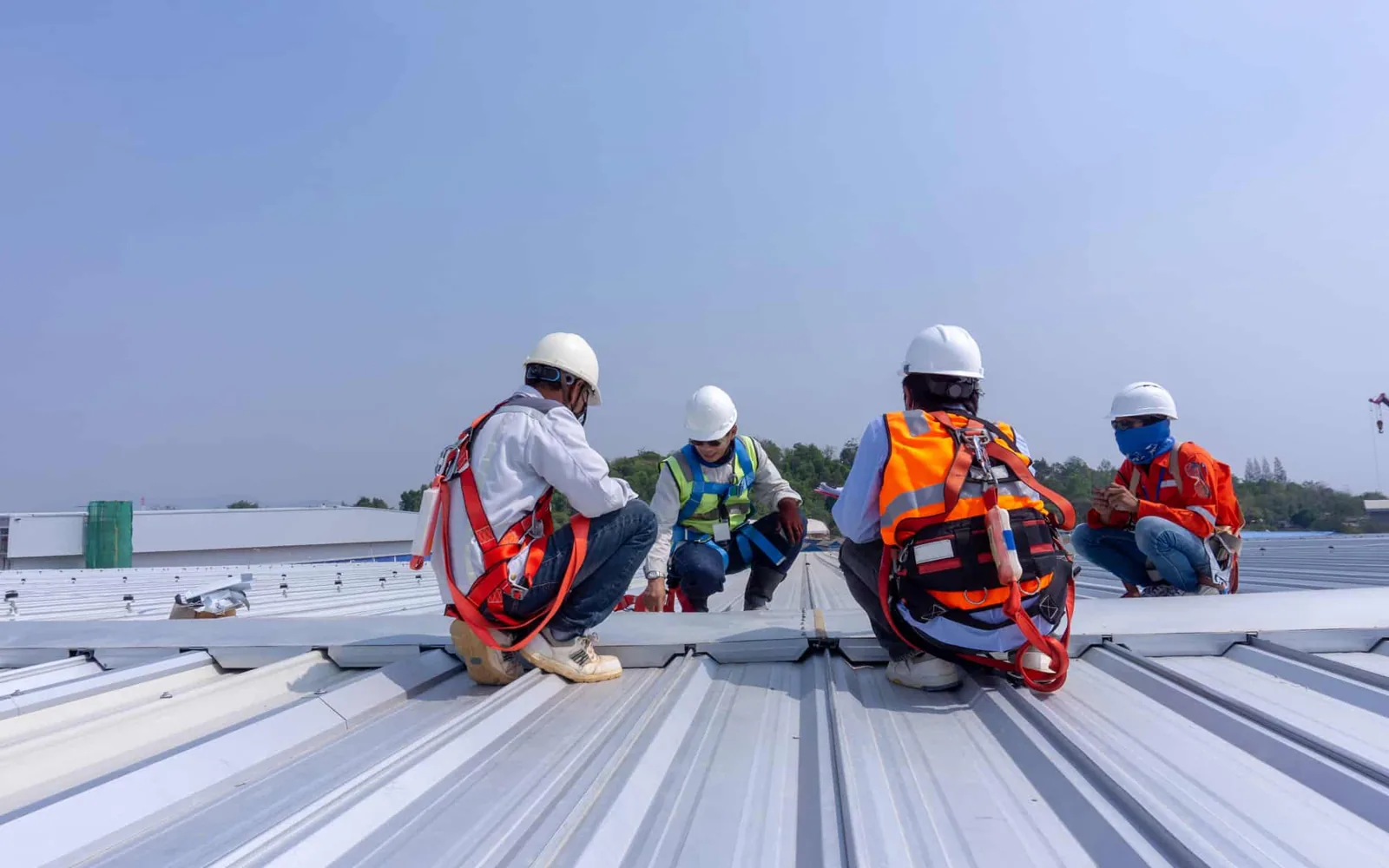
At a first walk, we also record roof access, ladder or hatch location, edge protection needs, and the path from staging to the active zone. If the site has several connected roof sections, each gets a separate map reference. That prevents a finding at one seam from becoming a claim about the entire property. Where a roof detail sits above active equipment, confirm the service clearance and the trade contact before fastening or flashing work begins.
Before a crew leaves a repair zone, the lead confirms that temporary protection is removed only when the permanent tie-in is sound. That close check belongs in the field handoff.
Summer heat can narrow the window for adhesive and exposed membrane work. Georgetown summer highs commonly reach the 90s, and recent local temperatures have exceeded 100 degrees. On a Taylor roof, the surface temperature and product instructions set the start time, exposure limit, and shift plan.
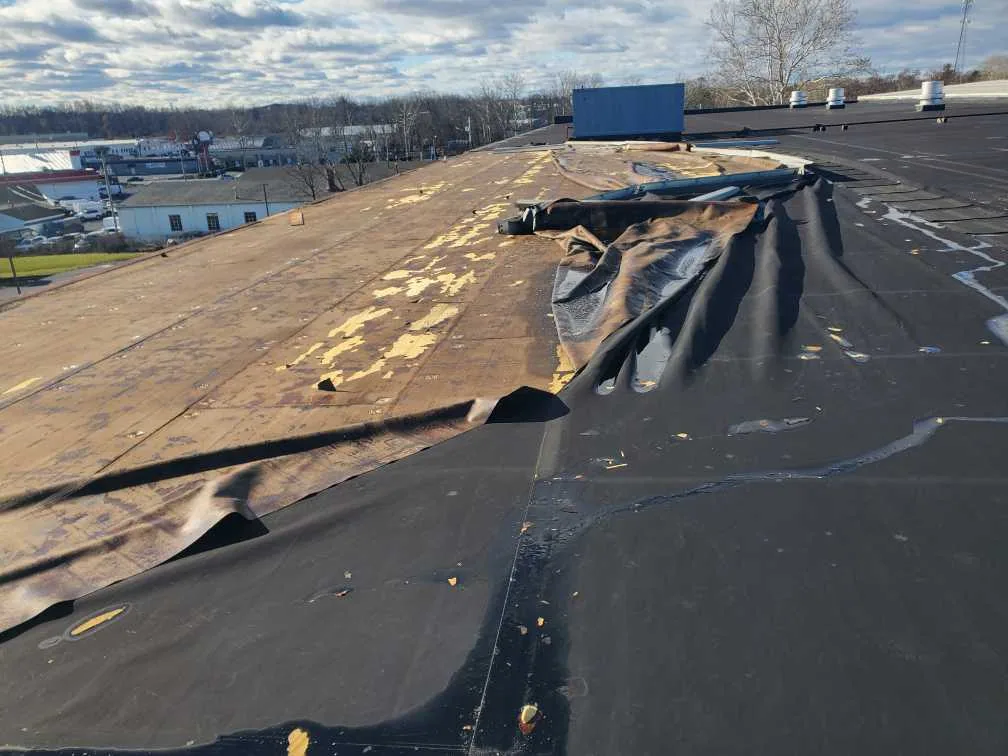
After hail or a severe-weather report, inspect the actual membrane, metal, seams, and flashing. A regional event does not prove a specific Taylor building was struck. We record visible punctures, splits, dents, loose edges, or displaced materials only where found. If a test opening is required, the forecast and dry-in plan determine its location and the area that can be protected before work stops. The storm damage repair visit ties photos and the work limit to conditions found on the roof.
A local defect may support a repair when the adjacent membrane, insulation, and substrate are stable. Repeated seam failure, widespread moisture, or loose attachment can shift the decision. We explain what was inspected, what remains uncertain, and which finding would widen the scope. A repair boundary should name the detail and tie-in instead of treating the whole roof as one condition.
A recover can be considered only after checking moisture, existing layers, attachment, drainage, and finished height at edges and curbs. If those checks fail, replacement may require opening the assembly to the deck. The material choice follows roof design, field conditions, and project requirements. A recover review evaluates the retain option; a replacement evaluation maps tear-off, substrate review, insulation, drainage, and phased work.
For occupied industrial or retail properties, cost and timing depend on access, roof type, repair quantity, staging, weather, and trade coordination. We identify these drivers before mobilization. If the condition changes under a test area, set a hold point, document the finding, and obtain approval before opening more roof. The project record should keep immediate water control separate from a longer capital decision.
Closeout records the inspected zone, visible condition, material installed, photos, and any temporary dry-in that remains. It also names the access limit or field condition that stopped the work. The general contractor receives a defined tie-in and the next approval, not an open-ended note. If a different trade owns a curb or equipment change, identify that interface before the roof crew demobilizes.
Taylor's project record remains specific to the building. If an owner schedules work in another market, a Georgetown roof walk follows its separate roof plan, access rules, and open tests. A Hutto property has another route; Innovation Business Park is a distinct business location with its own contact and roof map. We never transfer a leak location or repair boundary between buildings.
Before the next shift, confirm which area is weather-tight, which detail remains under review, and who approves the next opening. That record gives maintenance and project staff a usable route back to the same edge, curb, or seam. It should identify any open penetration or drain that could affect the next crew's access. Keep the next approval attached to the roof map so no unrelated area is reopened. The direct handoff names the completed boundary, temporary protection, and person responsible for the next work step. If conditions change after the visit, the updated map records the added test, revised limit, and approval before more material is staged. That keeps the next shift within the reviewed scope. Record the next inspection date with the same property maintenance file.
No. More than 500,000 square feet refers to available industrial building area, not roof area. We measure the roof and set scope from its dimensions, materials, and condition.
We check the membrane, metal accessories, seams, edges, and flashings for physical damage at the property. The roof walk sets the damage boundary from conditions found at the property.
We coordinate the access route, staging, work hours, interior protection, and active roof zone with the site contact. If a field condition changes that sequence, we stop at the work boundary and confirm the next step.
Wet insulation, unstable deck, repeated failure, or damage extending beyond the repair edge can change the work. We document the finding and set a hold point before expanding the area.