A dark ceiling tile below a kitchen exhaust curb needs a careful roof-side check. We inspect the curb, flashing, seam, and nearby drain before marking the work zone. The roof map records customer entrances, service access, and the proposed boundary. A hold point keeps concealed conditions from expanding without review.
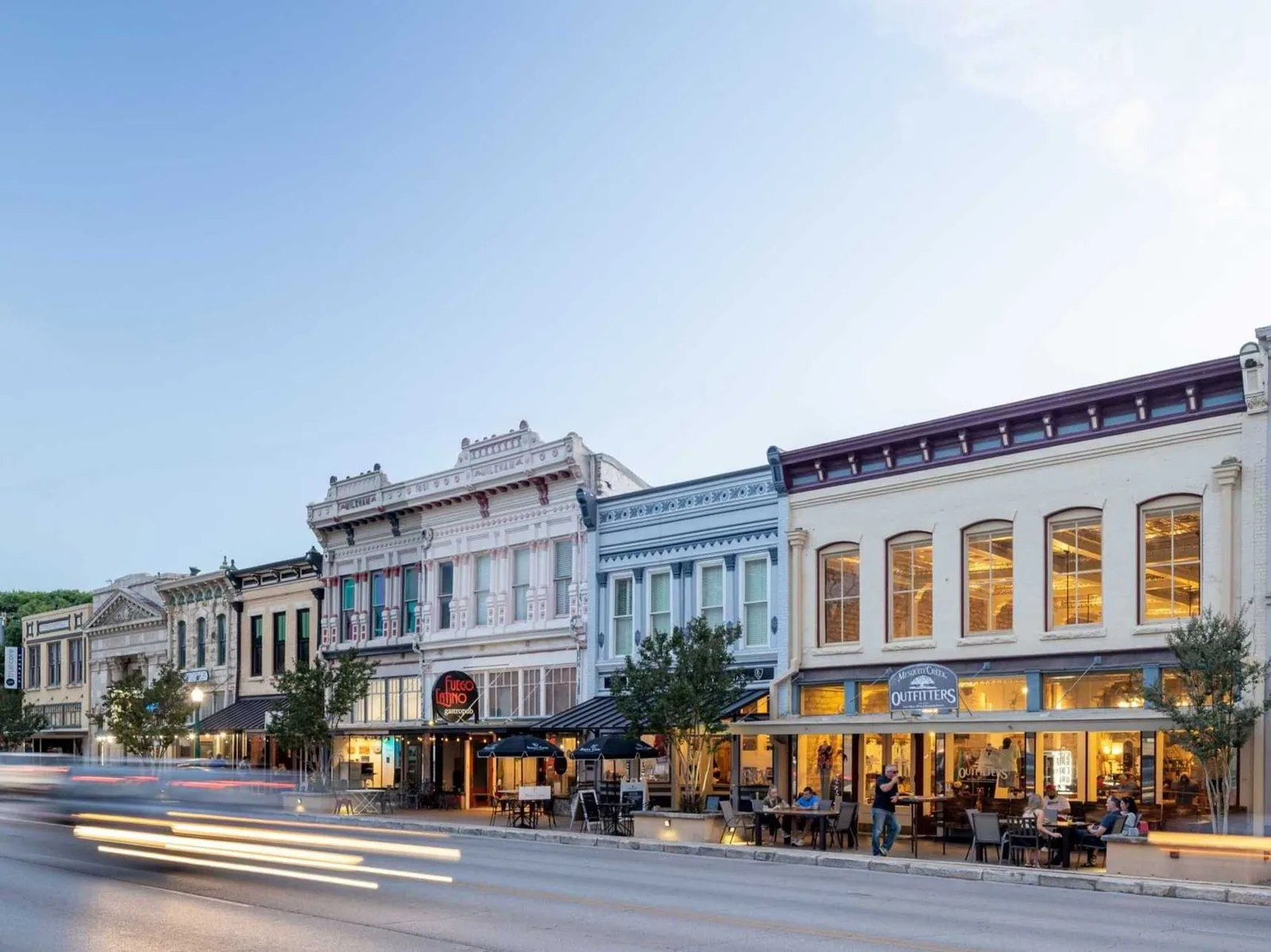
Businesses share Georgetown's courthouse-centered downtown with civic offices and homes across a 40-block area. That broad setting makes access coordination relevant, but it does not describe a particular restaurant or retail roof. We confirm each location's operating hours, loading route, roof assembly, and tenant requirements.
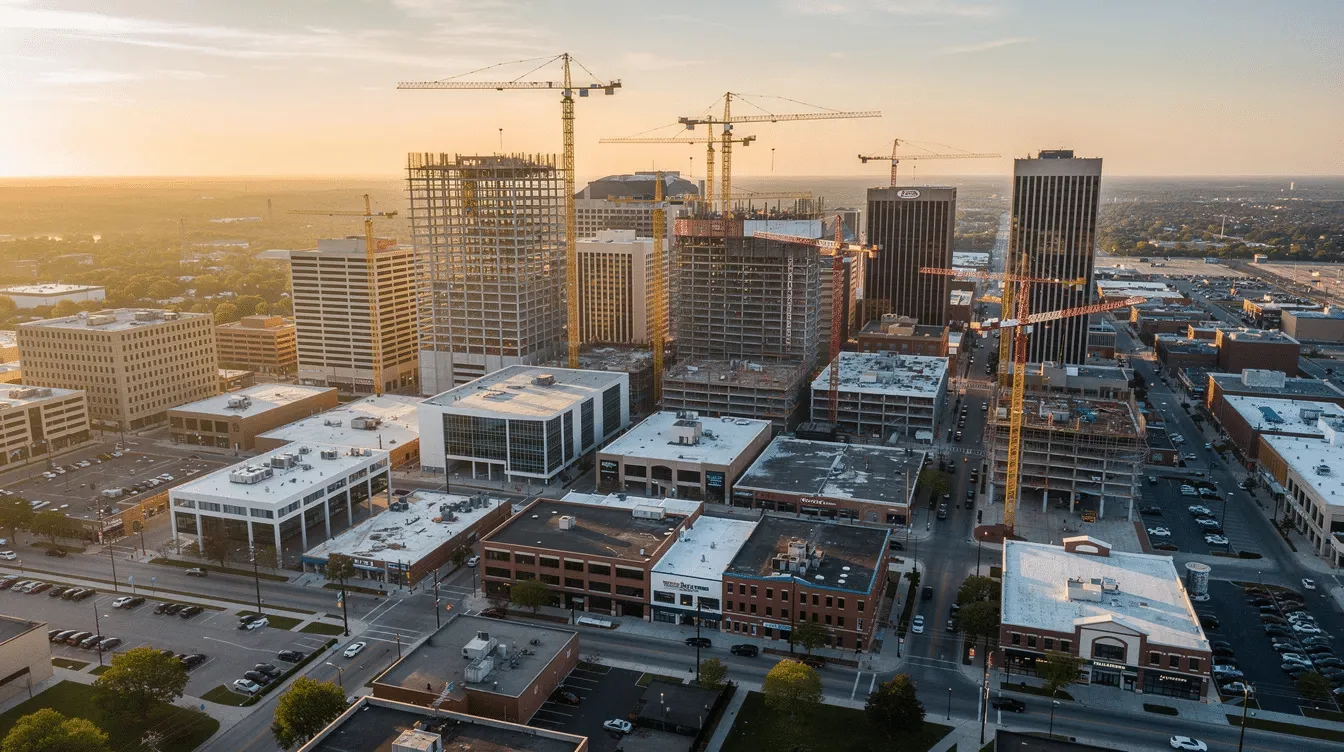
Regional development also connects Georgetown with nearby markets. The Mays Street extension links Georgetown and Round Rock near Westinghouse Road. A Downtown Georgetown service visit still follows the individual store's access plan. A commercial roof inspection identifies the actual condition before repair options are priced.
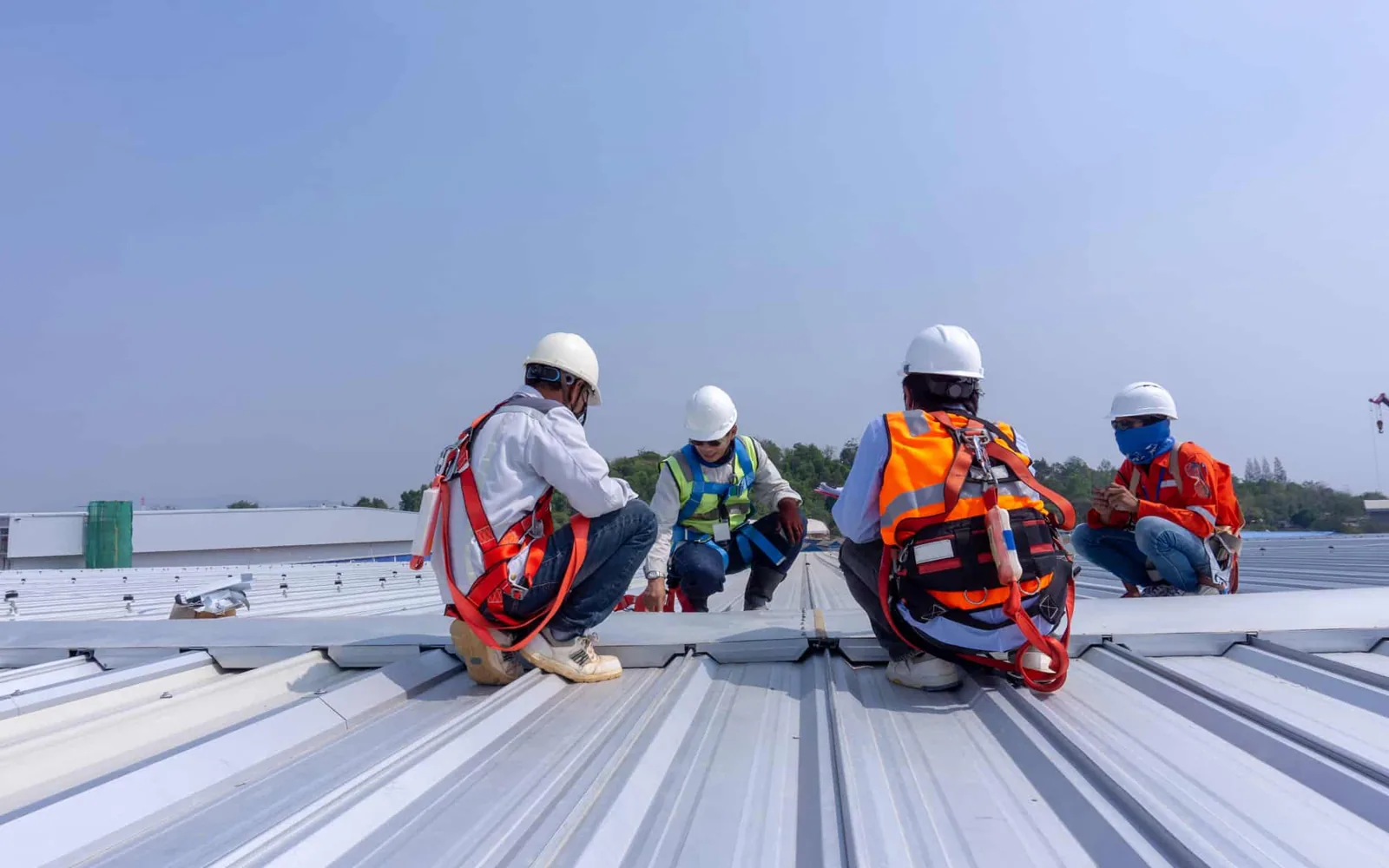
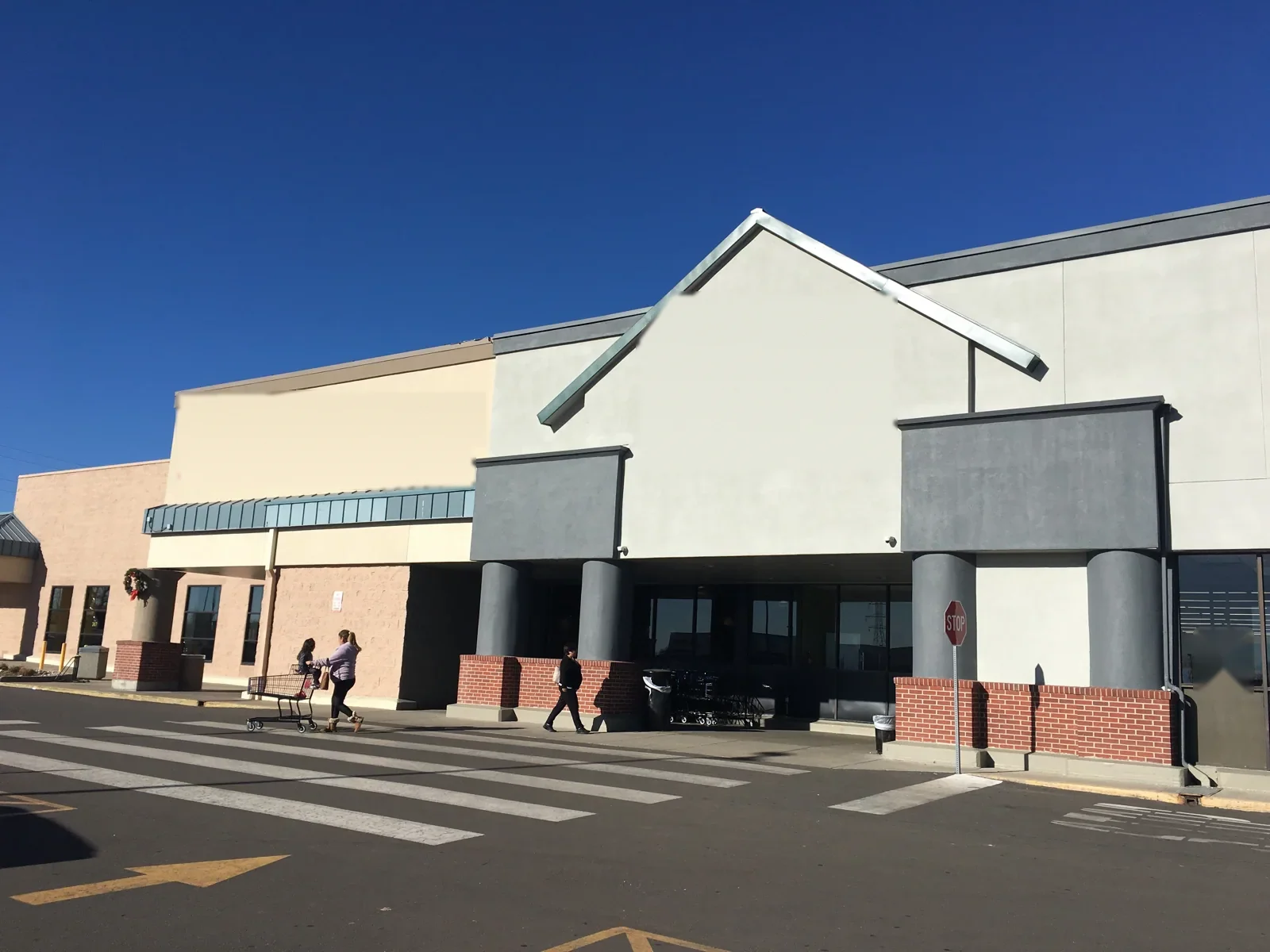
Retail and restaurant work can affect entrances, sidewalks, patios, parking, and delivery areas. The store contact identifies peak periods and any path that must remain open. We mark the crew's roof access, material staging, and debris route before mobilization. If a lift or delivery requires a temporary closure, the plan names the time and affected area.
Some sites have shared parking or multiple tenants. A roof repair boundary should not create an unplanned route through another business. We confirm property-management requirements and notify the assigned contact before entering common areas. The field lead keeps the work area controlled and records any shift in access conditions.
Georgetown's mixed-use downtown context reinforces the need to consider surrounding activity. It does not replace a site walk. A Williams Drive corridor visit may have different drive-through, loading, and traffic conditions. The location contact helps confirm where the crew can stage without obstructing customers or emergency access.
Kitchen exhaust can affect the roof surface near a curb. We document the discharge, flashing, membrane, and observed residue. Product compatibility requires system-specific review; the business type alone does not identify a suitable repair material. If a hood contractor changes the curb or fan, the roofing tie-in should be inspected after that work.
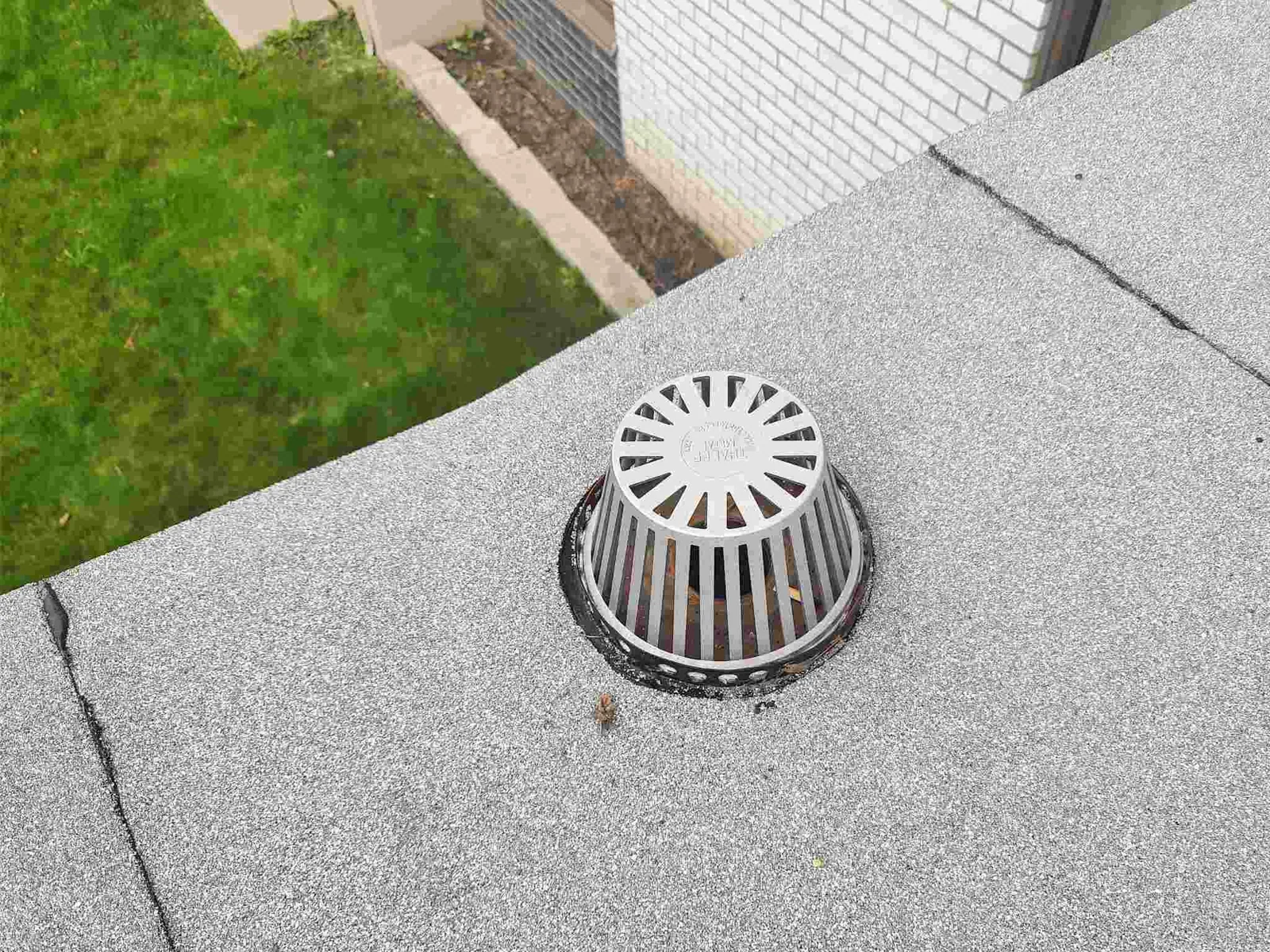
Water near a dining room or sales floor may enter at a seam, drain, wall transition, or penetration. We trace likely paths and mark each finding. A blocked outlet and a failed membrane are separate conditions. A drain and scupper service can be priced apart from a surface repair so the owner sees what each scope addresses.
When wet layers are possible, a test opening confirms conditions at one spot. The boundary, temporary cover, and approval point are set before removal. The crew pauses if the exposed material differs from the agreed scope. Photos and a marked roof map help the operator decide whether additional work is justified.
A chain may need work before opening, after closing, or during a planned maintenance window. Those hours do not remove the need for a safe roof route and daily dry-in. We name the work start, access contact, interior protection, and last safe stopping point. The shift record notes who checked the tie-in before the store reopened.
Georgetown station records show summer highs commonly in the 90s and recent observations above 100°F. Heat can change handling time and rooftop access. We plan for weather pauses and keep the exposed roof area within a boundary that can be secured. If the required work cannot be completed within a shift, the scope should state how the area will be protected overnight.
For an operator with many locations, each file should retain its own roof map and photos. A portfolio roof record can organize dates and open items across stores without implying that the assemblies match. A condition report can help maintenance teams compare findings between locations.
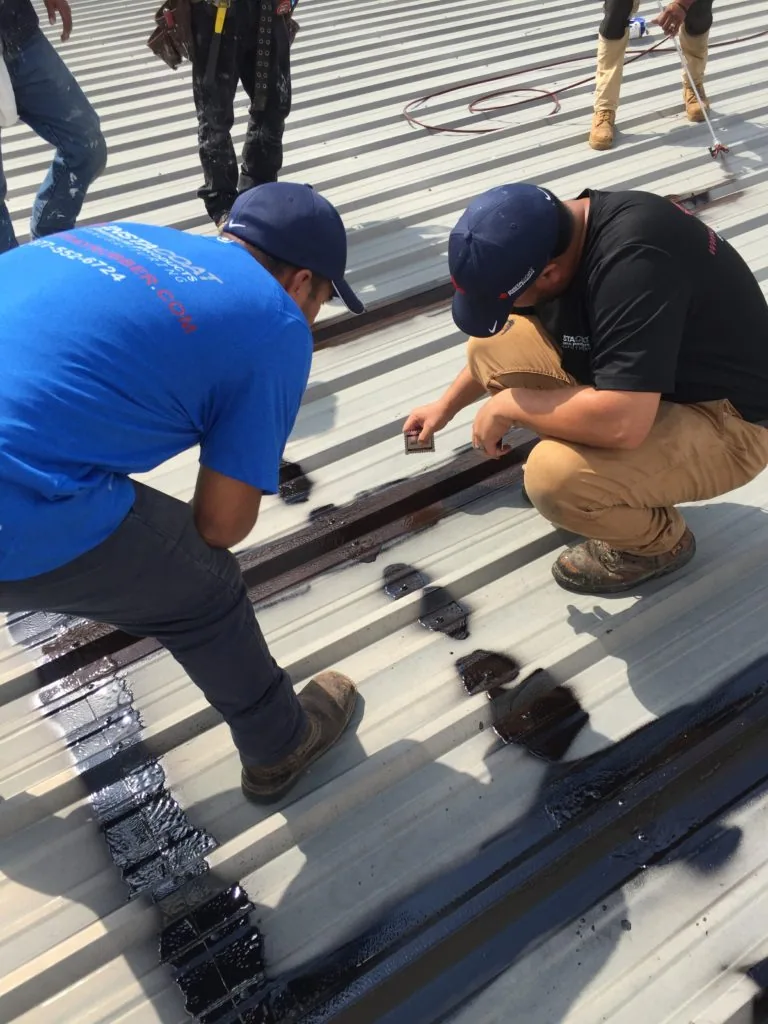
A split seam, loose curb, damaged flashing, or puncture may suit a contained repair. Repeat water entry or confirmed wet insulation calls for more investigation. We show the owner three distinct boundaries when warranted: a spot correction, a recover assembly, or full tear-off and replacement. A commercial roof repair should separate today's leak response from any later capital work.
For a restaurant, the sequence may need coordination with hood service, refrigeration, and deliveries. For a retail space, signage, rooftop units, and shared tenant routes may matter. We list dependencies instead of treating every location as the same store prototype. A changed curb or new unit becomes a hold point before roofing work resumes.
The city's adopted existing-building rules refer to the 2021 IEBC. Texas commercial energy review references the 2015 IECC, subject to local amendment and the work proposed. The design team confirms the applicable code path for each store. Our scope identifies roof interfaces that require its approval.
A chain can use common standards while still keeping each roof's condition distinct. The master schedule identifies location, access contact, roof zone, work window, and material needs. Each visit produces its own photos and closeout notes. That keeps a repair at one store from being mistaken for a correction at another.
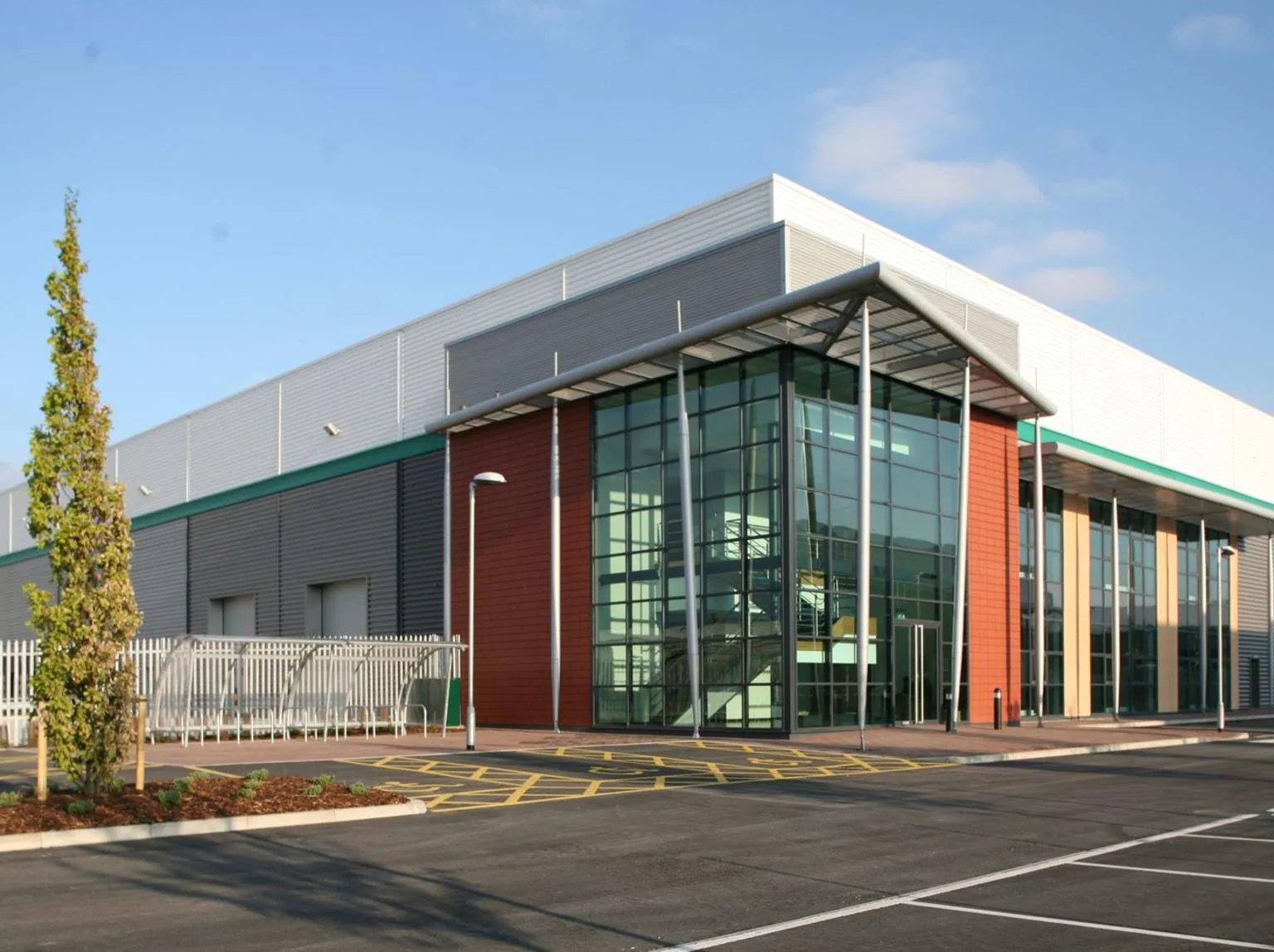
Georgetown's industrial areas, including Berry Creek Business Park, are multi-building settings with different access patterns from downtown retail. A visit in that broad area still starts with the specific tenant's access rules and roof map. Local context helps schedule the crew; the inspected building supports the scope.
Where a replacement is under review, a replacement plan should identify phasing, entrances, deliveries, exhaust coordination, and daily tie-ins. A property manager's handoff can carry those details to building operations. The store receives a clear boundary and reopening point.
At completion, we provide dated photos, roof-map limits, work performed, materials, and any unresolved conditions. The store contact can retain the record with maintenance history. If another leak develops, compare it with the archived map and photos to see whether the new symptom reaches the repaired zone.
Send the property address, affected roof zone, access hours, exhaust restrictions, and property-management contact. We confirm the entry and route before scheduling. The job plan carries those site-specific directions so the crew can arrive with the right access and staging details.
The final handoff names who accepts the repair and who receives the photos. Any concealed condition or price change stays attached to its approval. That makes the closeout useful for the store team and the chain's facilities group.
We coordinate the access window with the store and property contacts. The sequence also names the crew route, customer path, staging area, and time that affected entrances must reopen.
Not by itself. We inspect the curb, flashing, nearby seam, and drainage path. The report separates observed conditions from any product-compatibility question.
The plan sets a daily stopping point and a secure tie-in before work begins. If weather or a concealed condition changes the sequence, the crew documents the boundary and contacts the operator.
A standard can guide the process, but each location needs its own roof map, assembly, access plan, and findings. The closeout file stays specific to that store.
Share the affected roof area, operating hours, roof access contact, exhaust or equipment restrictions, and any entrance or delivery limits. We confirm the route before scheduling.