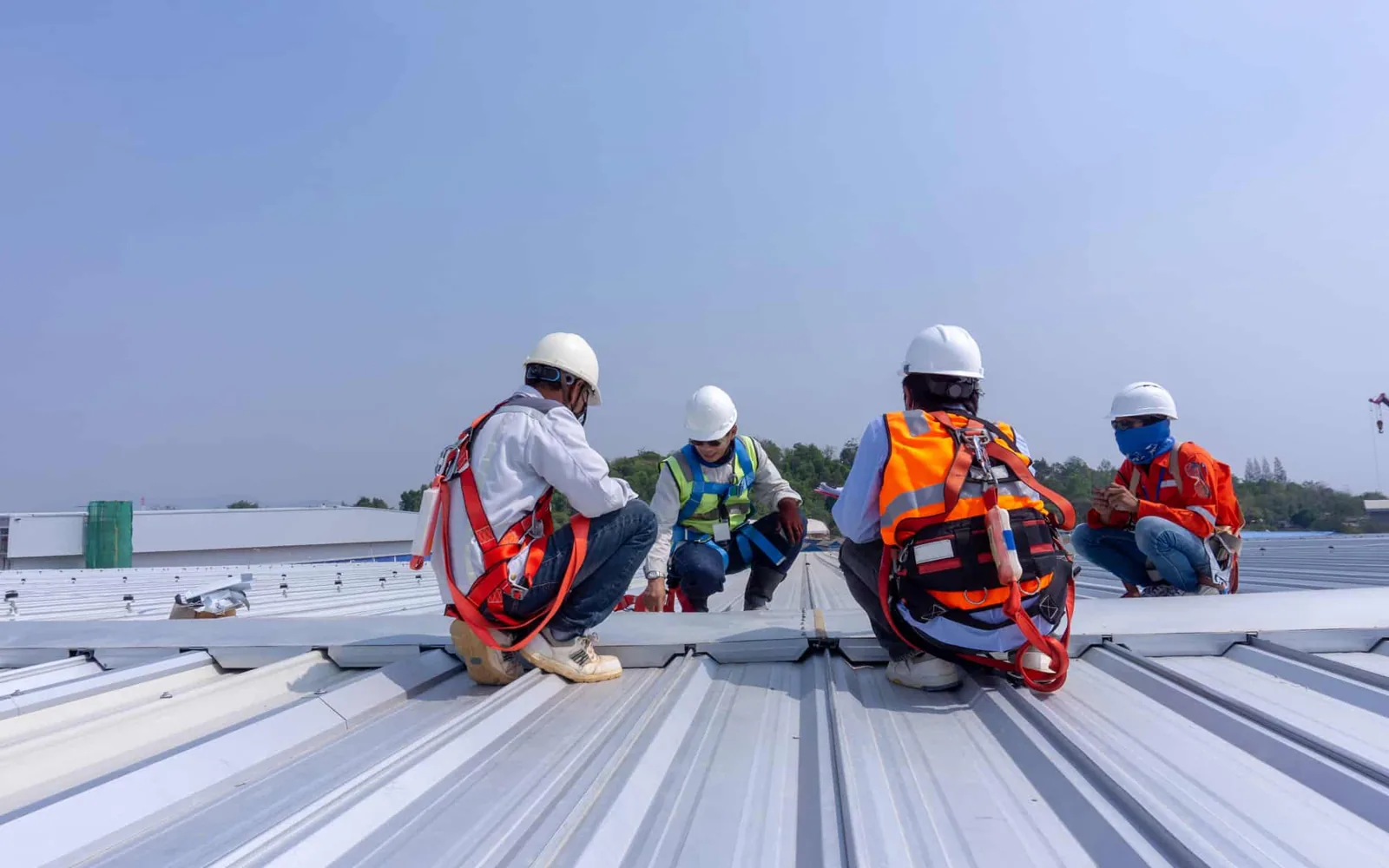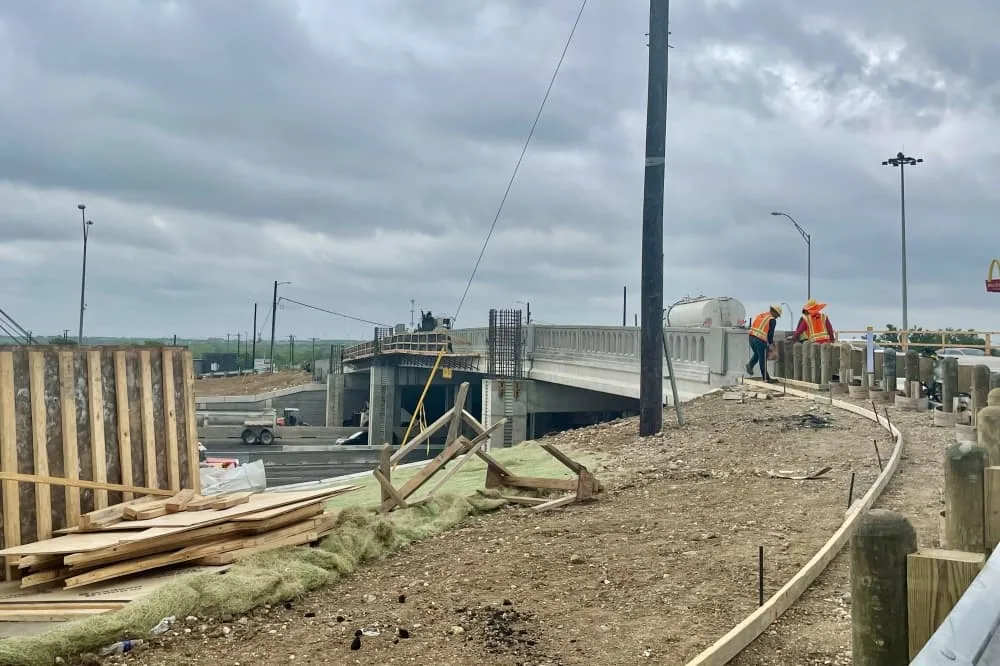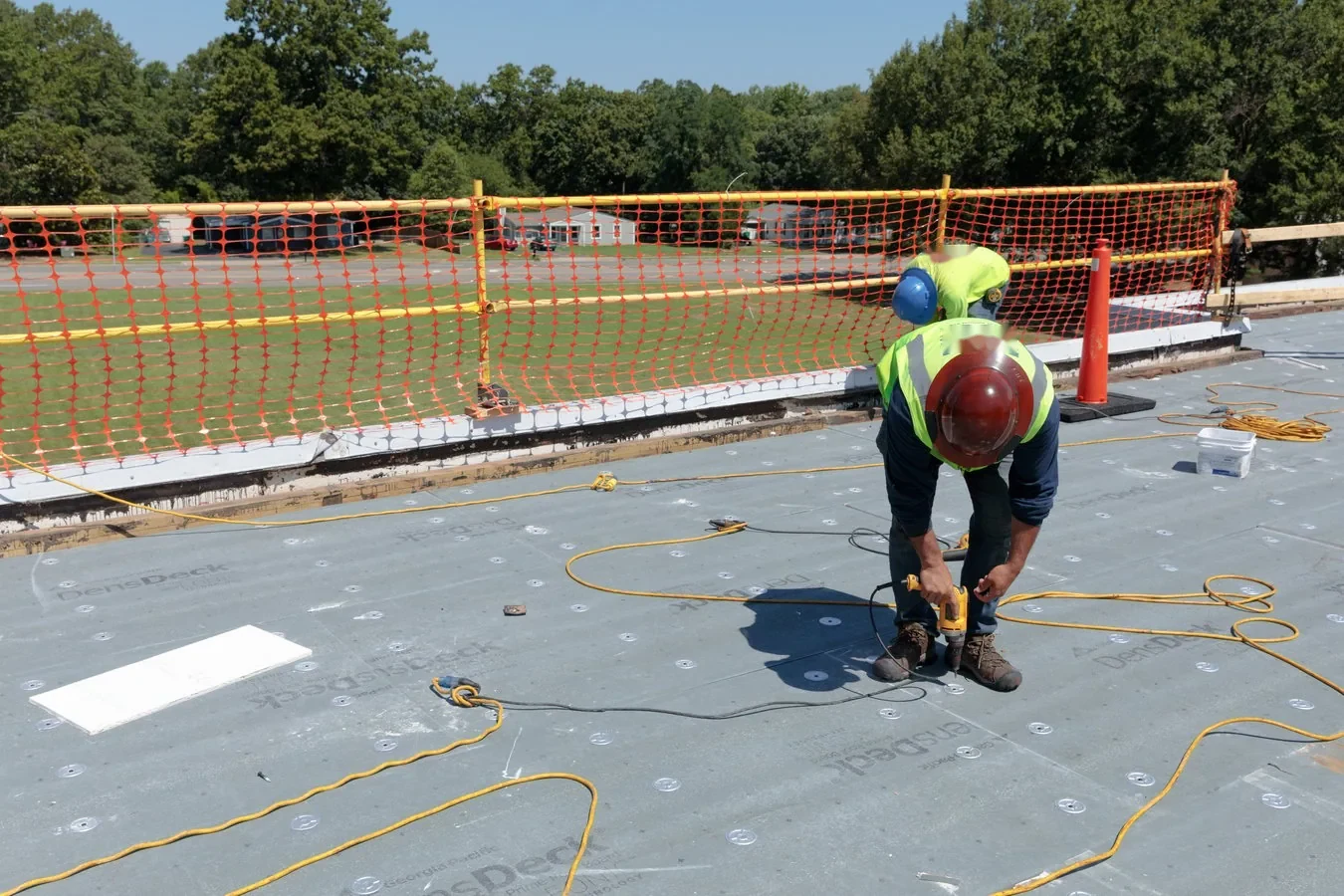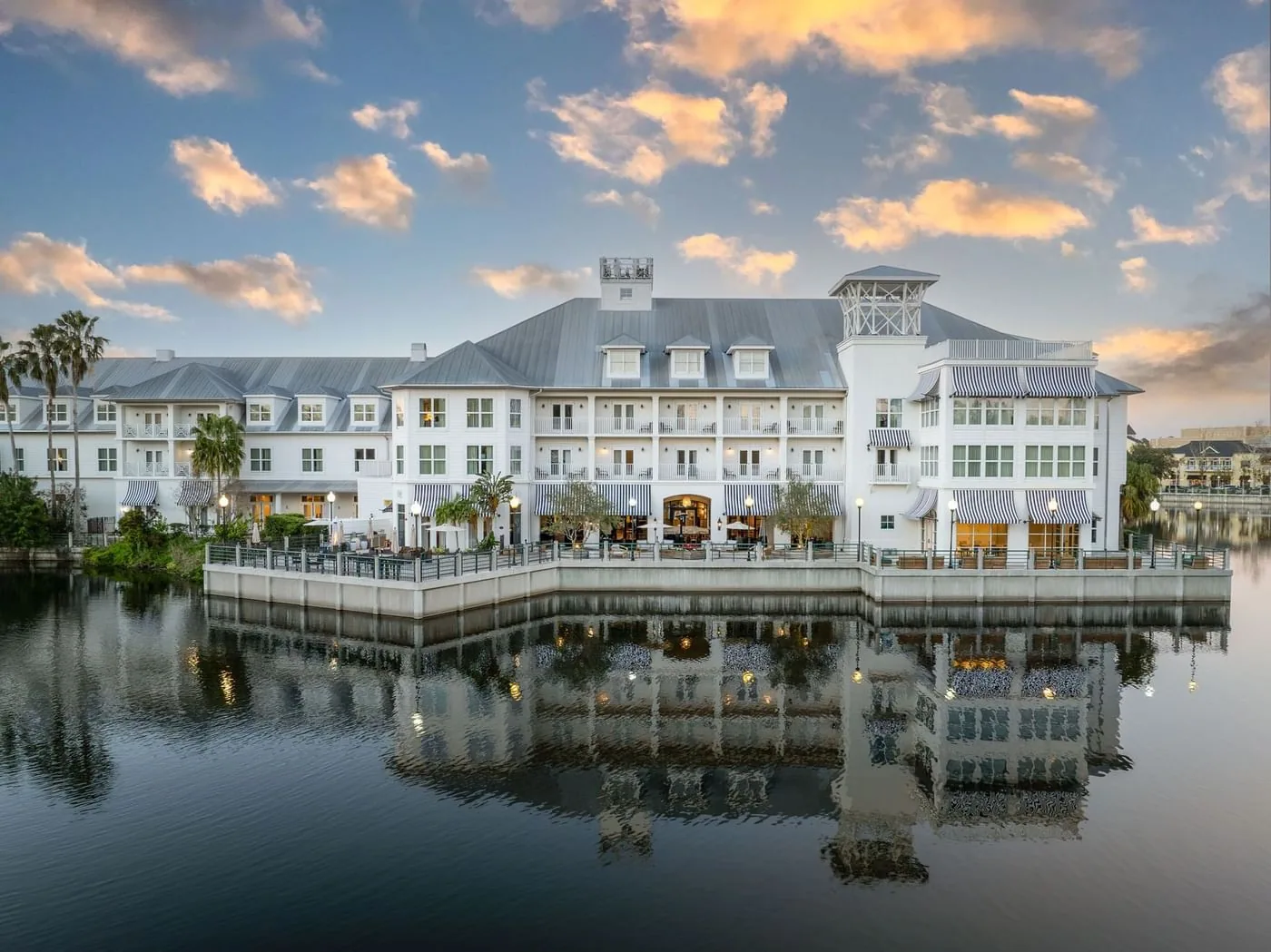
A loose coping joint above a guest entrance deserves a controlled inspection. We check the edge, nearby seam, and drainage before setting the work boundary. The roof map marks guest routes, service access, and any area needing a hold point. Management can review the sequence before the crew reaches an occupied zone.
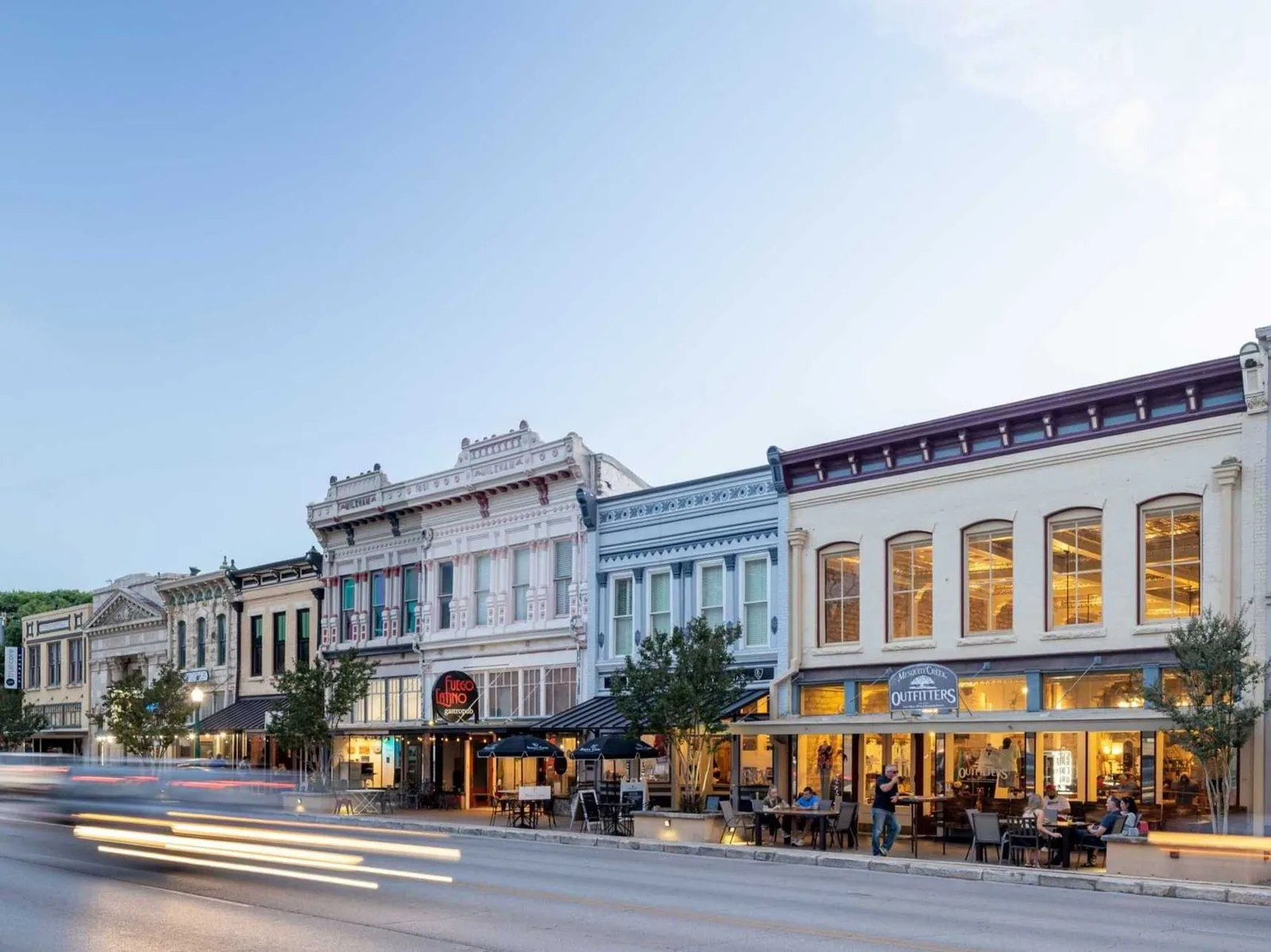
Downtown Georgetown is a 40-block mixed-use district around the courthouse square, with civic, commercial, and residential uses. That broad context helps explain why access and surrounding activity deserve attention. It does not establish the layout or roof condition of a hotel. We confirm each property's hours, roof system, and guest-service constraints directly with its contact.
Georgetown's regional links include the Mays Street extension between Round Rock and Georgetown near Westinghouse Road. That can inform crew scheduling across the area. A Downtown Georgetown roof visit still follows the individual property's service entrance and staging plan. A commercial roof inspection documents the assembly and visible conditions before a proposal is made.
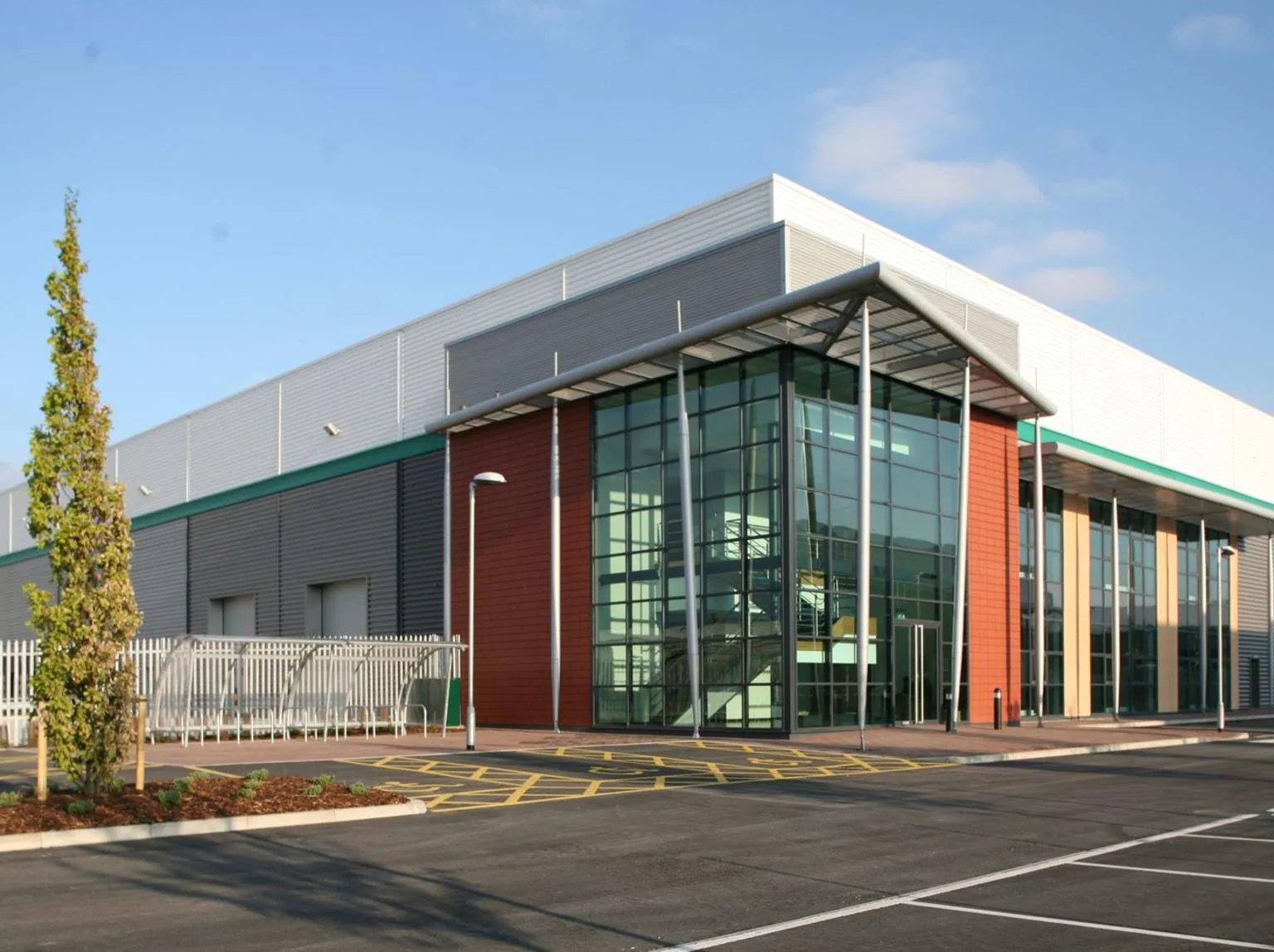
Hotels may need clear lobbies, porte-cochères, sidewalks, parking, patios, and event entrances. The management contact identifies routes that must remain open and times when noise or deliveries should be limited. We mark the crew's access and material path before mobilization. If a lift or safety zone affects an entrance, the sequence names the time and reopening point.
Roof access should not cross guest areas without an agreed route. We confirm check-in requirements, staff-only service passages, roof hatch access, and the location for tools or removed material. If a route becomes unavailable, work pauses until the property contact approves another path. The field lead records any change so the plan stays aligned with hotel operations.
Downtown Georgetown's mixed-use district covers a broad area around the courthouse square. A location in the Williams Drive corridor may have a different arrival and staging pattern. We plan the actual site route instead of treating every hospitality property alike.
Hotels can have rooftop units, kitchen exhausts, pool equipment, vents, skylights, and communication devices. We map curbs and service routes before selecting a repair boundary. If a mechanical contractor changes a unit or opening, the roof detail needs review. The scope names who disconnects equipment, who completes the flashing, and who confirms the tie-in before service resumes.
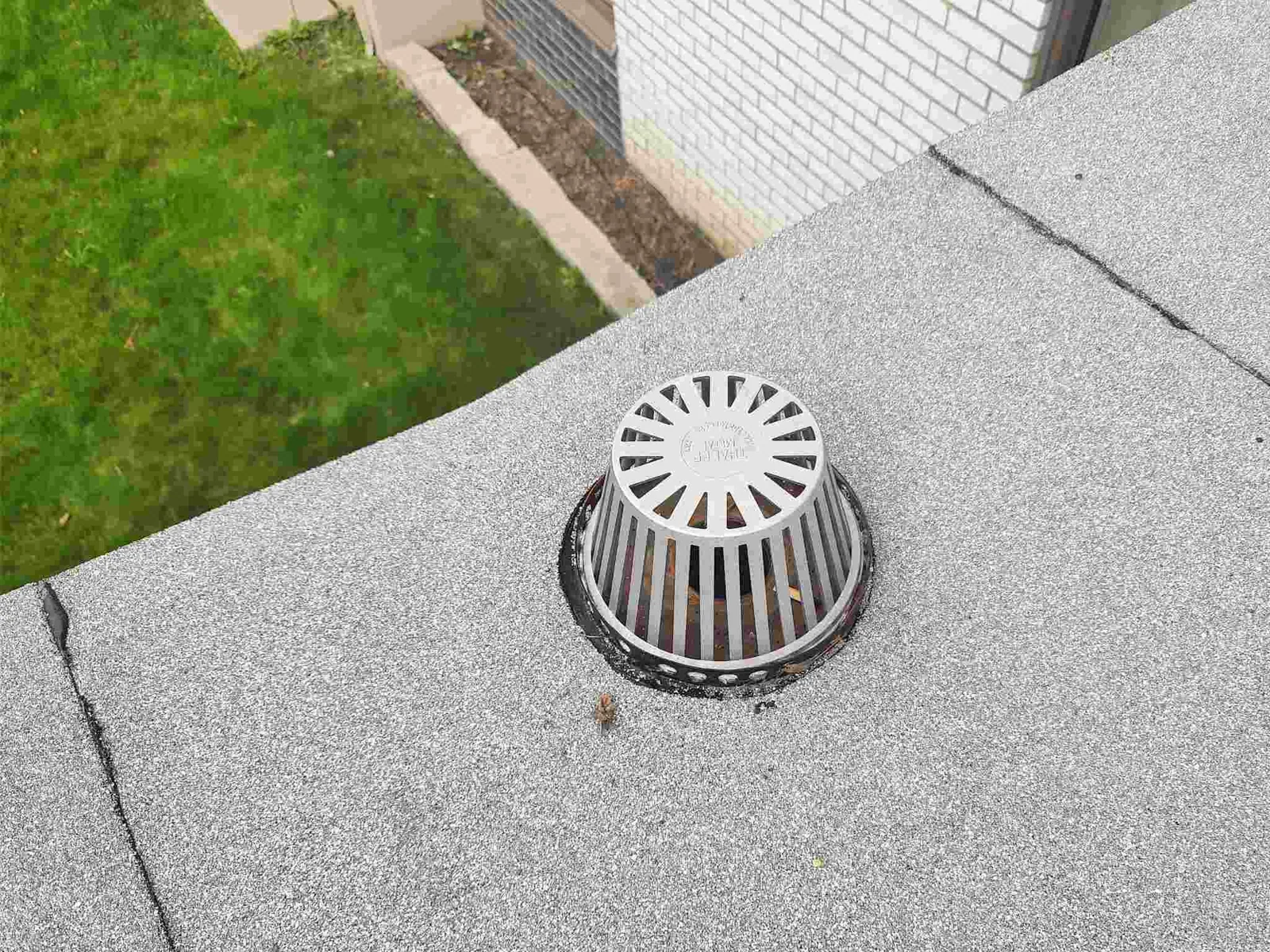
A leak near a guest room or event space can follow a path from a distant curb or drain. We inspect likely transitions and record what is visible. A ceiling stain alone does not establish the roof entry point. A drain and scupper review can be recorded independently when ponding or blocked flow is part of the report.
When wet insulation is possible, a test opening confirms layers at one spot. The opening limit, temporary dry-in, and approval contact are agreed before removal. If the condition differs from the expected assembly, the crew stops and presents photos before expanding the work area.
Guest turnover, events, food service, and housekeeping can make work windows narrow. We coordinate the start time, delivery route, noise-sensitive periods, and room protection with management. The daily plan identifies a safe stopping point and the person who checks the tie-in. If rain or a concealed issue interrupts work, the property knows which roof area remains protected.
Georgetown station observations show summer highs commonly in the 90s, with recent readings above 100°F. Heat may shorten safe work periods and alter material handling. The crew records any weather pause and secures the open boundary before leaving. The sequence should protect guest-facing areas even when a task must continue the next day.
For a group with multiple hotels, keep a separate roof map and closeout record for each site. A portfolio asset record can organize schedules and conditions without assuming all properties share the same assembly. A condition report can show dates and unresolved items by building.
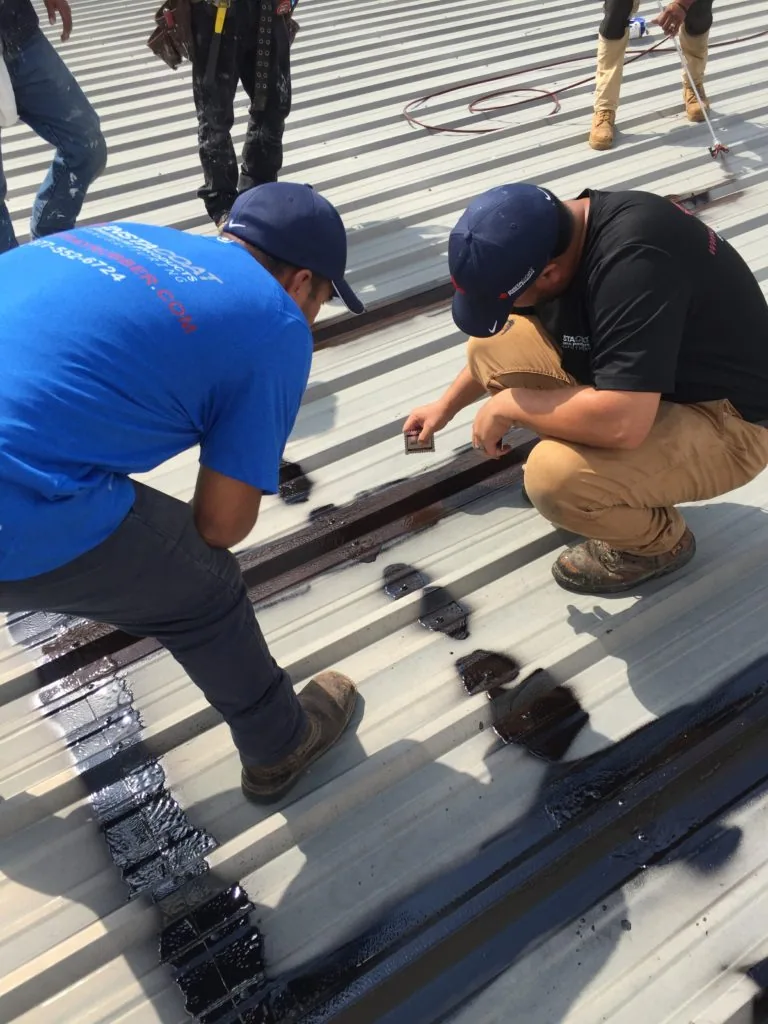
A loose seam, coping, curb, or flashing may permit a repair limited to one zone. When moisture or repeat failures reach multiple areas, testing can change the recommendation. We lay out the work choices by guest impact, retained layers, and the extent of removal. A repair scope separates immediate stabilization from a larger capital project.
Hospitality work may intersect with kitchen hood service, HVAC replacement, pool maintenance, or event setup. The plan names dependencies and approval points. If an equipment change moves a curb, the roofing boundary changes as well. We wait for the agreed hold point before finishing around a revised opening.
Georgetown's 2021 IEBC adoption informs alterations to existing hotels. Texas uses a 2015 IECC reference for commercial energy review, though local amendments and the specific scope matter. The project design team confirms the governing provisions. We document roof conditions against its approved details.
A group can use common review steps across hotels, yet each roof retains its own age, system, and repair history. The work schedule should list property, access contact, guest-sensitive hours, roof zone, and staging needs. Closeout files remain separated by building. This lets regional staff compare conditions without assigning one property's findings to another.
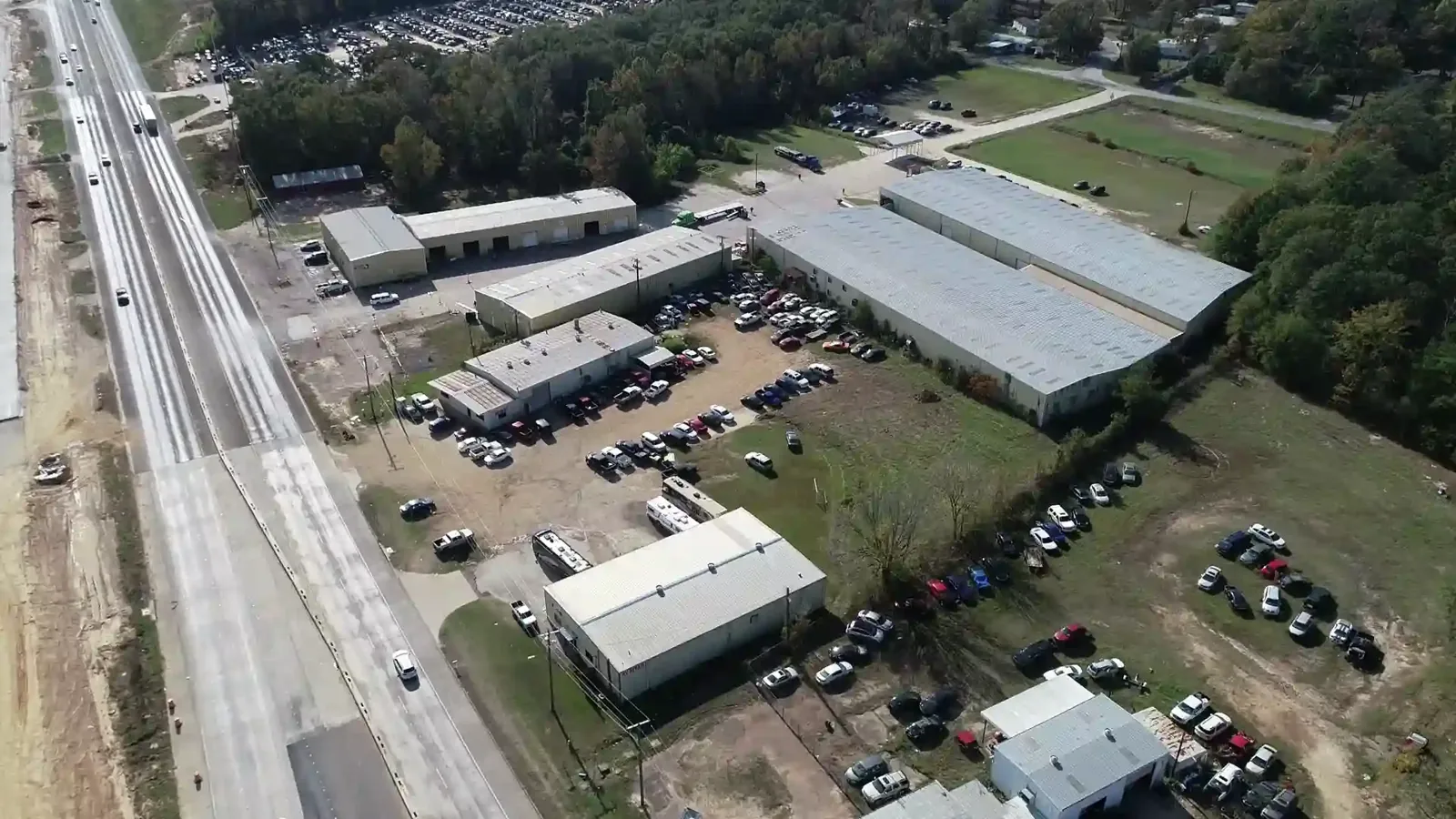
Berry Creek Business Park is a multi-building commercial setting near I-35 and SH 130. It illustrates a broad development area, not a hotel inventory. Location context supports dispatch; inspection findings support the scope.
When replacement is considered, a replacement plan should show phasing, guest circulation, deliveries, mechanical coordination, and daily dry-in. A property manager's work record can carry the approved limits to on-site operations. Clear handoffs help avoid disruption at reopening.
We return dated photos, a marked roof map, materials used, repair limits, and any unresolved conditions. Management can file the record with property maintenance history. If a later leak appears, the service team can compare its location with the prior tie-in and determine what needs another look.
Share the property address, roof zone, guest-service limits, access contact, and equipment restrictions. We confirm the arrival route and staging with the property team. The field plan then carries those details to the crew working on the roof.
The final handoff identifies who accepts each completed area and who receives the closeout file. Changes remain tied to photos and approval. That gives hotel staff a clear record of the work and a practical reference for future maintenance.
It can when access, safety zones, noise periods, and work boundaries are coordinated with management. We identify the routes and rooms that need protection before work starts.
We confirm the entrance schedule, lift location, pedestrian path, and overhead protection needs. The plan names any temporary closure and when management can reopen the route.
We inspect likely paths such as drains, curbs, seams, and wall transitions. The report maps the observed conditions and does not treat the interior stain as proof of the entry point.
A common process can guide scheduling, but each property needs separate findings, roof maps, access rules, and closeout records.
Share the roof area, guest-sensitive hours, access contact, service routes, and equipment restrictions. We use them to confirm the inspection route and staging plan.