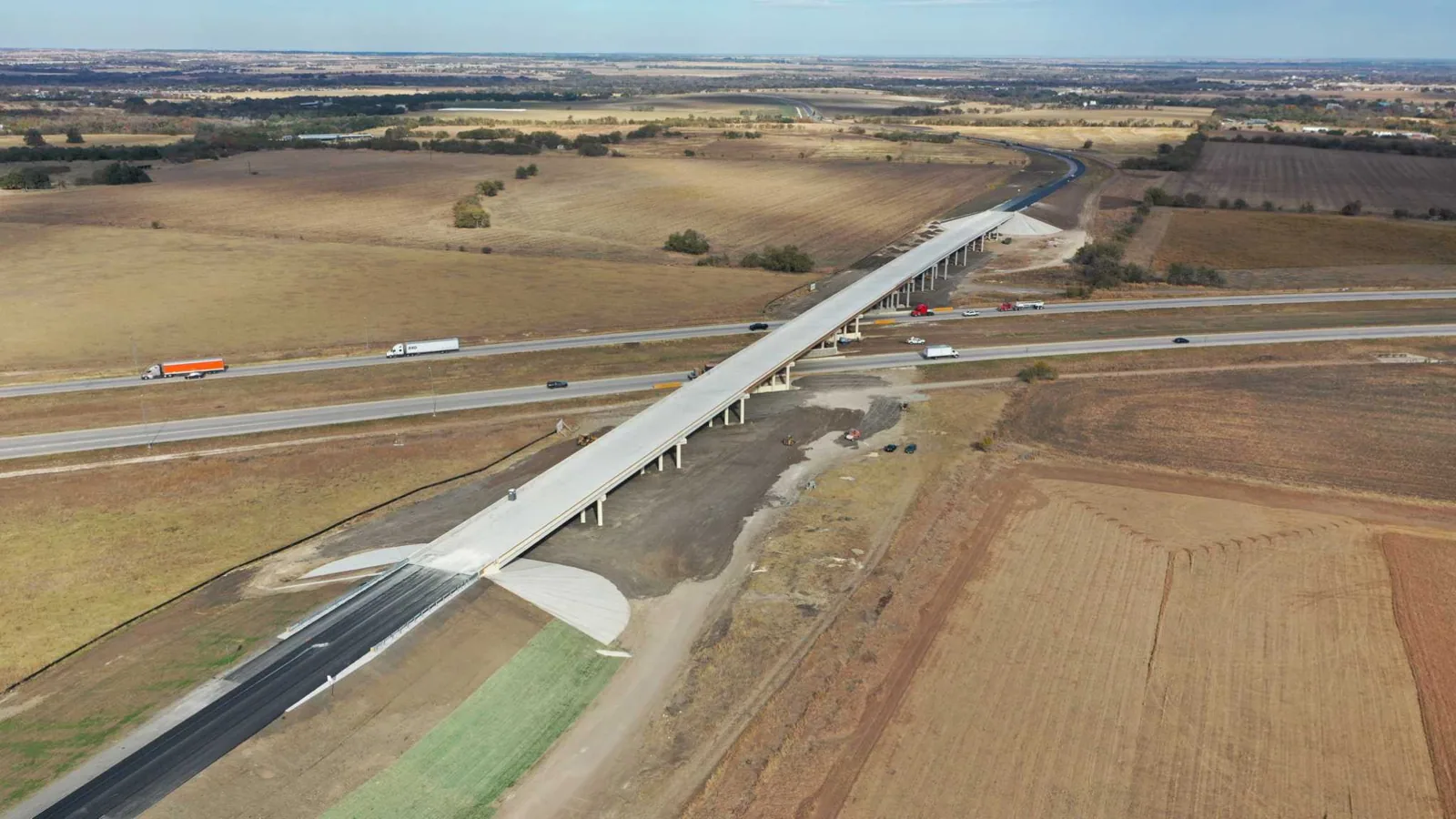
A loose edge termination can open a path beneath a commercial roof membrane. We check the corner, trace the lap, and mark the inspected area before planning a repair. Georgetown Airport Road Corridor is the route of a city-approved gas-line extension from the I-35 service-road area toward the GISD Future Ready complex. The corridor also supports planned utility service for industrial areas, so each roof scope must still start at its own property.
Georgetown and its school district coordinated the route and shared project costs to extend service while supporting nearby industrial development. That infrastructure fact does not identify a building's roof system, occupancy, or condition. We confirm the roof assembly where visible, inspect drains, curbs, seams, and edges, and note areas that need a closer test. A commercial roof inspection gives the owner a map and a defined work boundary.
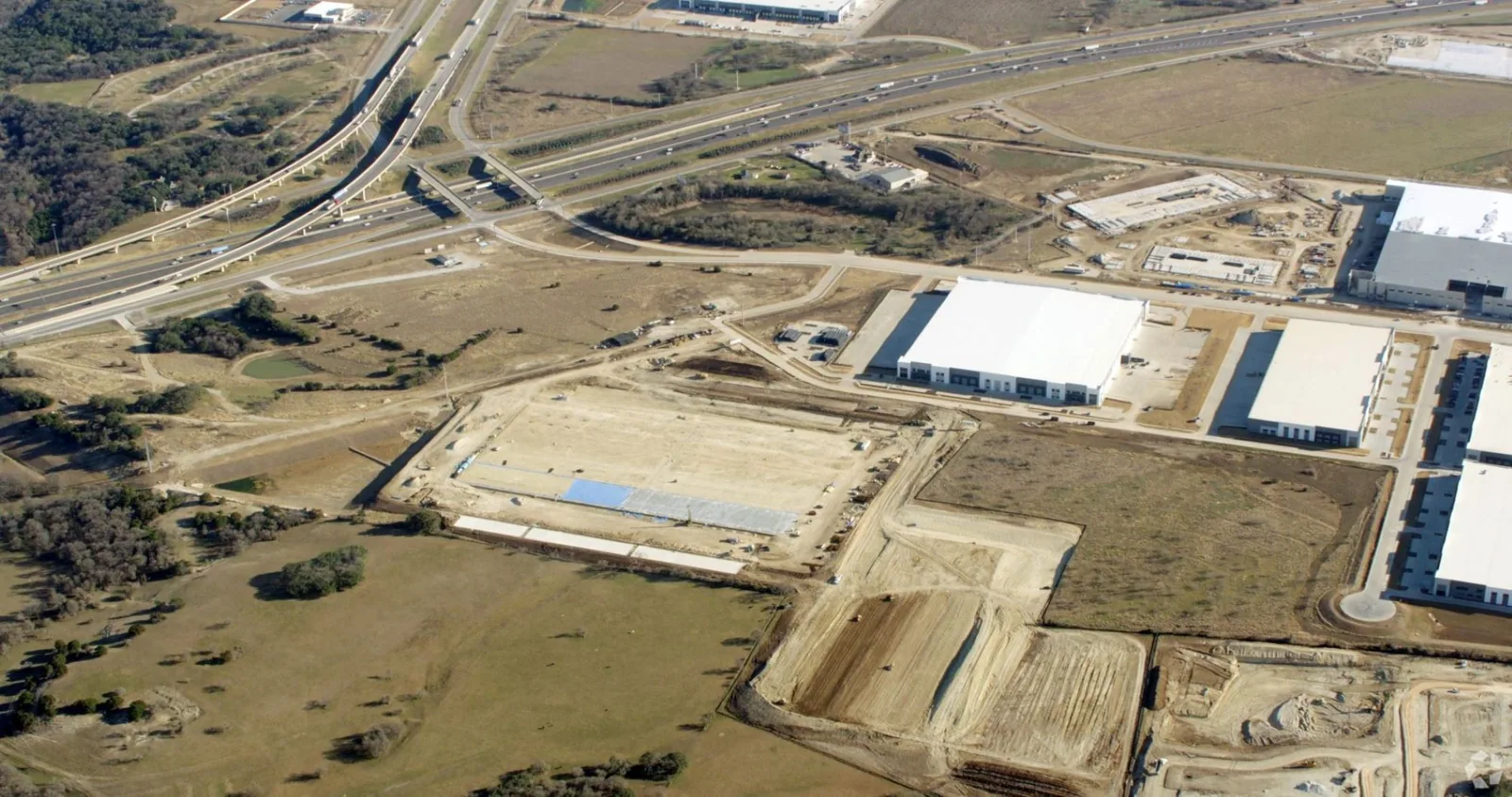
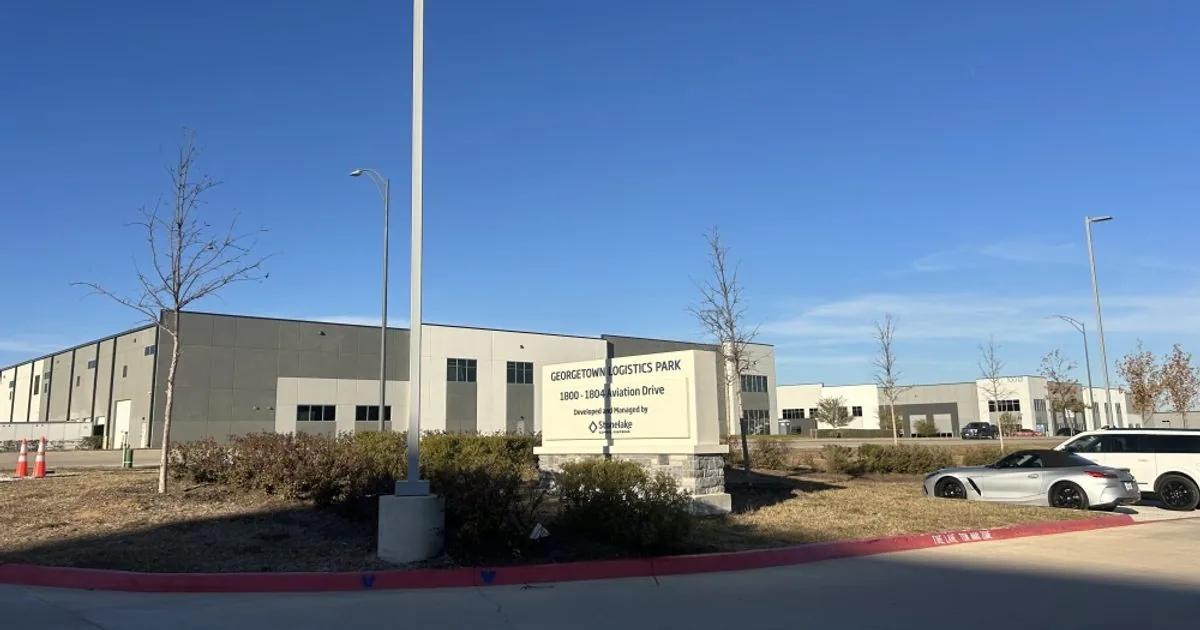
Our work covers commercial low-slope and metal roofs, from inspection and leak repair through replacement, recover, restoration, and maintenance. We set the route to the roof with the building contact, not from the road name alone. NorthPark35 and Georgetown Logistics Park are separate industrial areas connected to this wider growth context. We keep findings at each property separate.
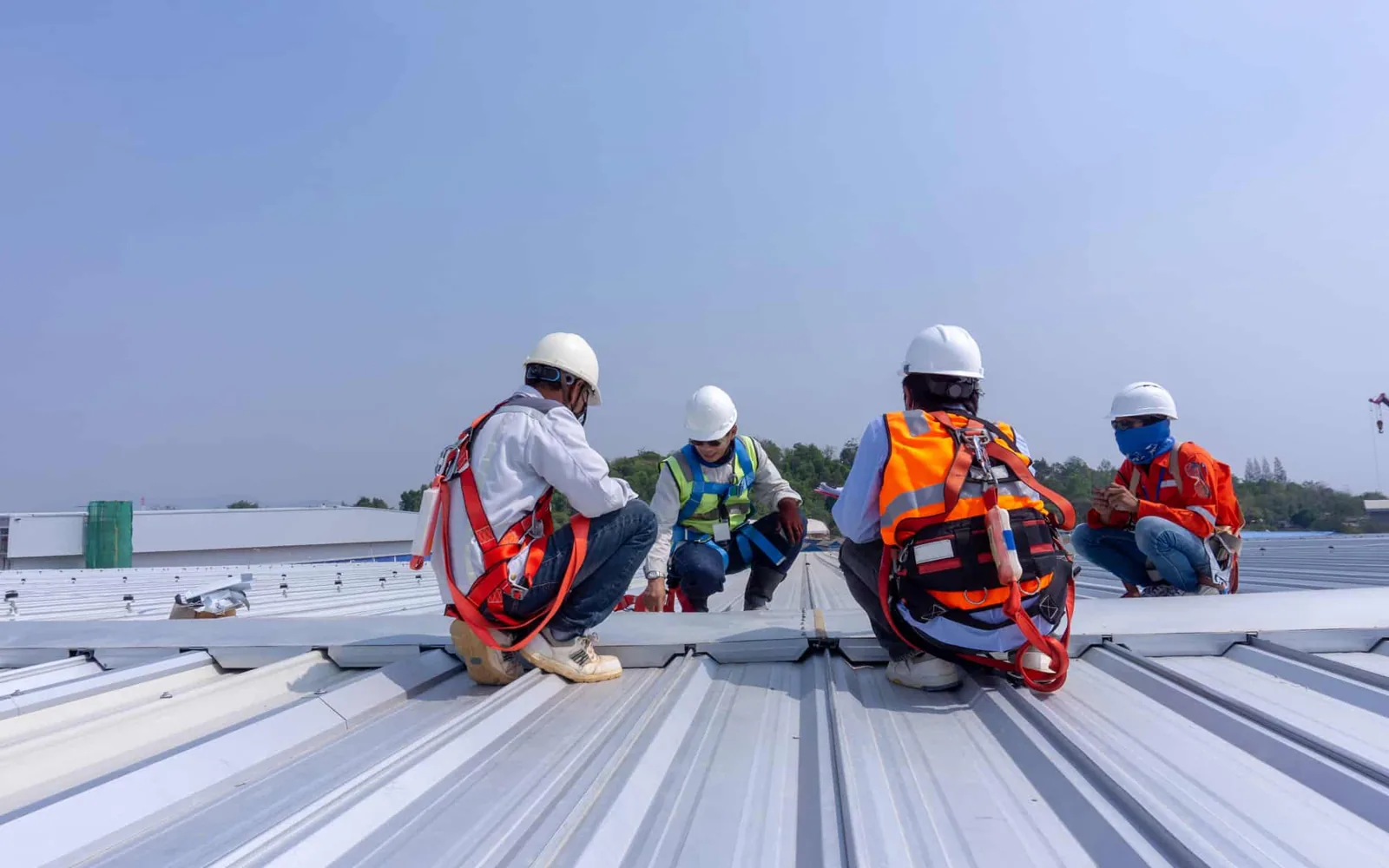
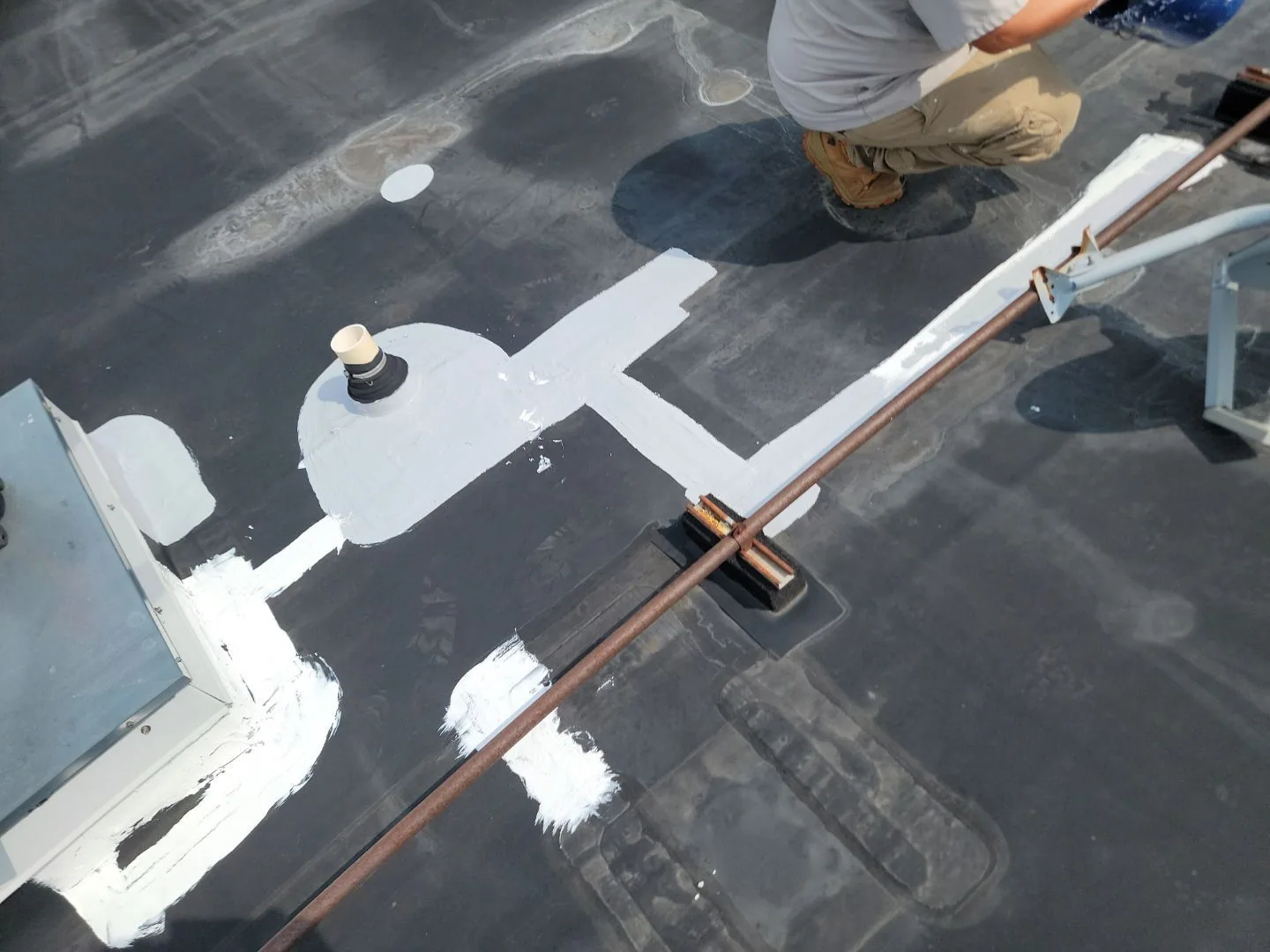
At the perimeter, we look for membrane pullback, loose metal, exposed fasteners, and gaps at terminations. A lifted corner can let wind and water work beneath the surface. We inspect the adjoining seam and nearby curb before deciding whether the repair can stop at the edge. Photos show the detail and its roof-map location.
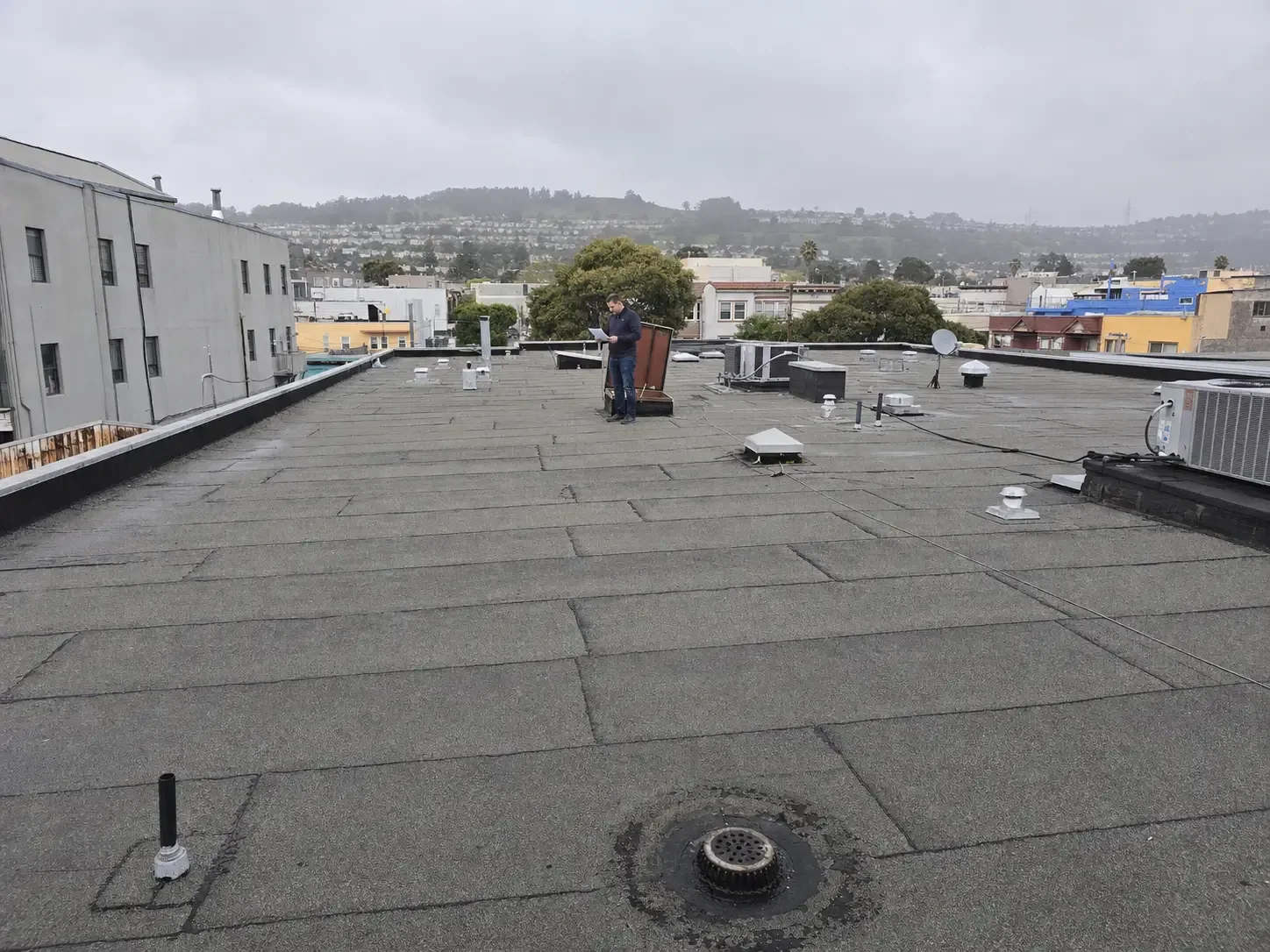
At a drain, we check the bowl, clamping ring, membrane connection, and nearby low points. At a curb, we inspect corners, flashing height, and sealant movement. A stain inside may sit downhill from the entry point. We trace the likely route across the roof and note whether the reported area supports the same path.
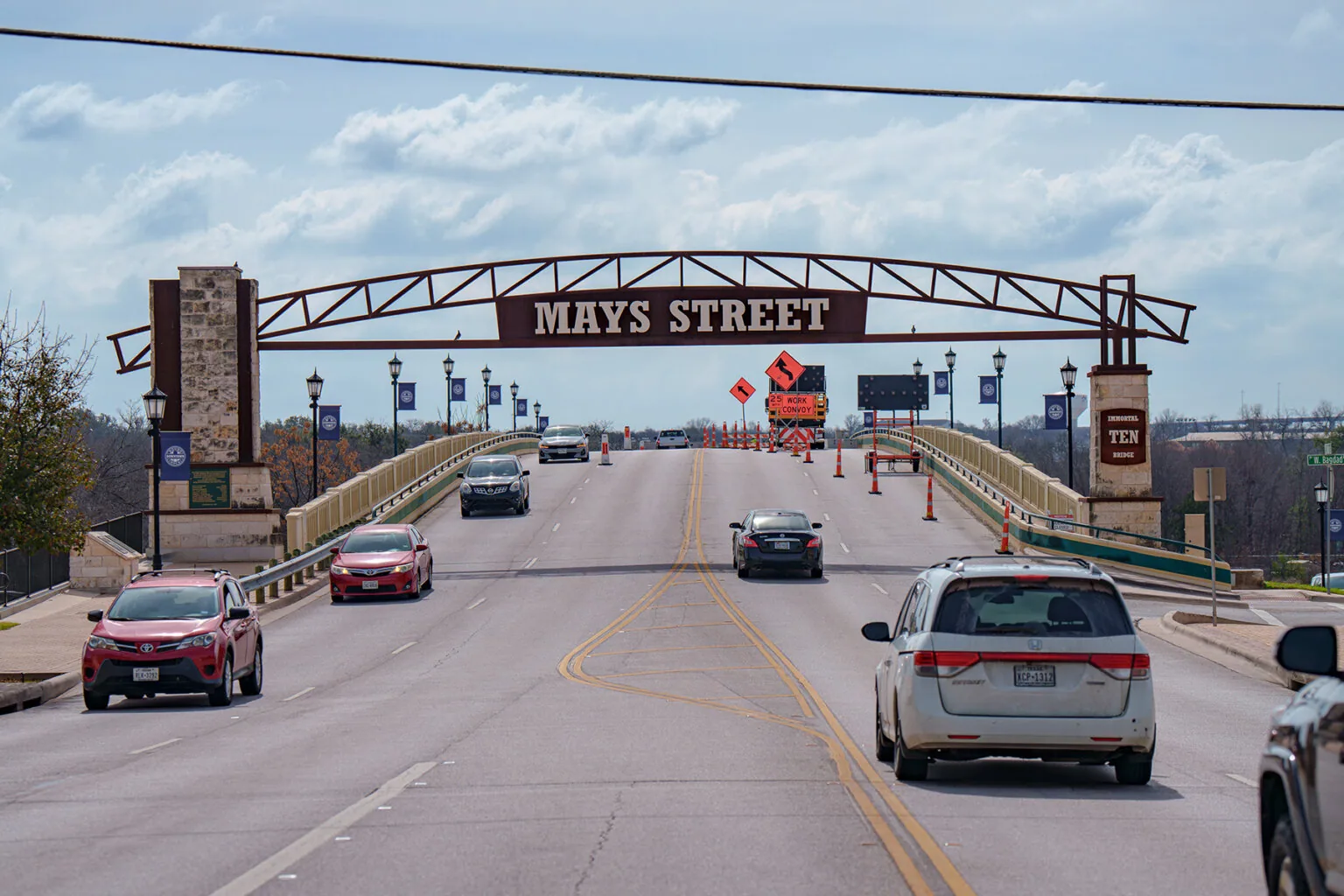
The approved extension runs along Airport Road between the I-35 service-road area and the school district's Future Ready complex. That corridor fact describes the utility work; it does not give us access to a specific roof. We confirm the gate, loading window, roof hatch or ladder, and staging limits with the property contact. The crew route follows the site's actual controls.
The Georgetown weather station records Central Texas summer heat, including recent days when temperatures climbed past 100 degrees Fahrenheit. Heat stresses exposed sealants, membranes, and flashing. We look for brittle material, shrinking lap edges, and joints that no longer flex. A small separation matters when water can reach insulation or deck below.
Severe spring weather makes perimeter attachment and rooftop transitions worth checking. The 2022 tornado record crosses Williamson County from the Round Rock area toward Granger. It provides regional hazard context, not evidence that an Airport Road property was hit. After a storm, we inspect for actual displaced metal, punctures, open seams, and loosened supports.
Hail marks also need a roof-level check. A dented accessory can remain watertight, while a split membrane or broken flashing can admit water. We photograph each condition, identify the assembly if known, and separate impact damage from existing wear. If a claim file is involved, the report ties each image to the inspected area and recommended work.
A repair boundary should reflect the failure pattern. One isolated opening may need a localized patch. Several failures along a run can point to weak attachment, aging material, or a detail that needs redesign. We inspect enough surrounding surface to explain why the scope stops where it does and what finding would change it.
For a small puncture or open seam, we prepare the surface, repair the membrane or flashing, and check the finished tie-in. If water has reached wet insulation, a surface patch alone may leave the affected layer in place. The leak repair scope records what is confirmed and whether a test opening is needed.
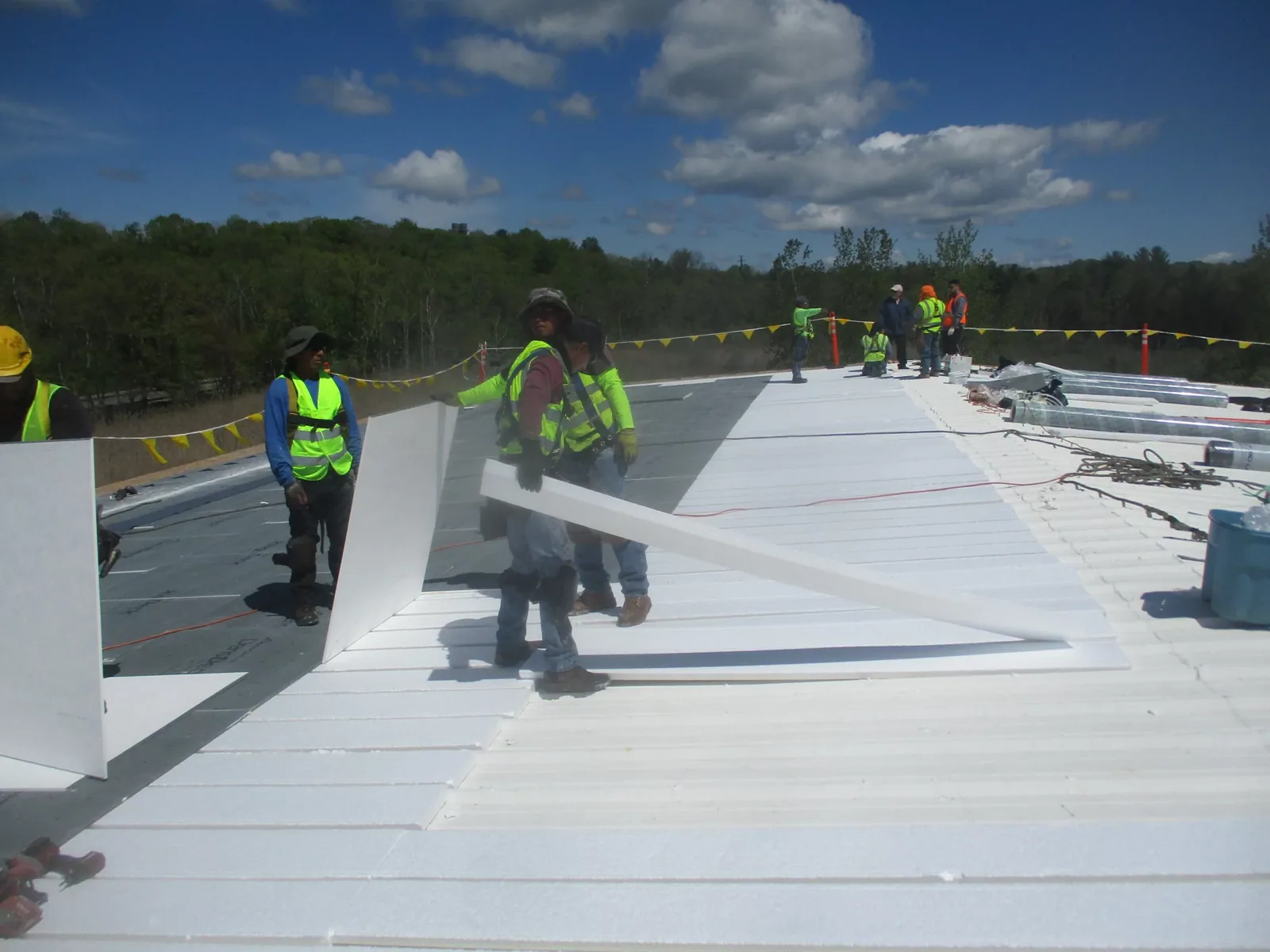
A recover may be suitable when the existing roof is dry, stable, and able to support another layer. We check drainage, attachment, flashing height, and substrate before covering anything. Wet insulation or weak decking changes the plan. A recover assessment marks preparation, tie-ins, and the areas requiring verification.
Replacement planning includes removal or approved preparation, substrate review, insulation, cover board, membrane attachment, drains, curbs, and edge metal. A single-ply membrane repair needs a compatible patch and a sound weld or adhesive bond. Metal work depends on panel laps, fasteners, and closures at transitions. We confirm the roof type before choosing the repair detail. Modified bitumen has a different tie-in sequence from a single-ply assembly.
Georgetown adopted the 2021 International Existing Building Code for repairs, alterations, occupancy changes, additions, and relocation of existing buildings. Texas energy-code guidance names the 2015 IECC for commercial and industrial work, subject to local amendments. The project team confirms the permit requirements. We coordinate the roof scope and dry-in point with the general contractor.
Airport Road's utility route does not determine a crew entrance or loading point. We confirm property access, material handling, and any active operating constraints before mobilization. When lifts or staging are involved, the general contractor identifies the approved area and the path that must stay clear. We show those limits in the work plan.
Work on an occupied building can move in sections. We protect open areas, complete a dry-in hold point, then advance to the next boundary. If concealed deck damage appears, the crew stops at the agreed limit while the owner reviews the added scope. Weather, deliveries, inspection timing, and trade coordination can all affect the sequence.
For industrial roof work, rooftop units and service paths need clearance. We map the actual equipment before removal or membrane installation. If another trade must disconnect or reset a unit, the scope names that handoff. That keeps curb flashing from being closed before the equipment work is complete.
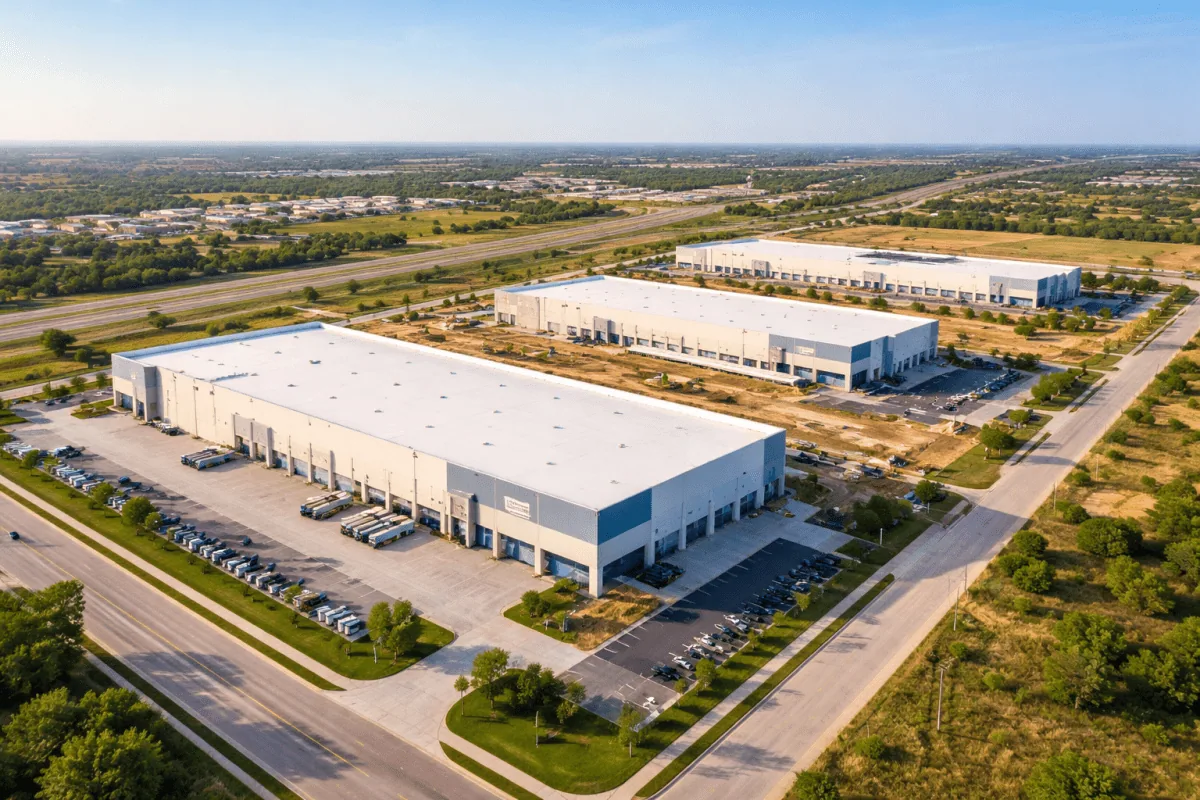
Regional development near Georgetown includes industrial areas and a separate Berry Creek Business Park. Each location receives an independent roof map and access plan. A route name or utility project never substitutes for a site walk.
A condition report pairs dated photos with map references, access limits, and a recommended action. We label each item as repair, monitor, or further test. The owner can see which finding controls the current work and where the report stops. That record can support a capital review without treating every observation as an emergency.
Maintenance can return to drains, seams, flashing, and prior repair points. The visit should record completed work and any open condition for the next walk. A preventive roof visit creates a baseline, while storm damage or new water entry still calls for a timely inspection.
On replacement, the handoff records substrate changes, insulation, attachment, drainage, and completed tie-ins. If the scope includes several roof sections, the map identifies the area that is complete and the next area still protected. A roof condition report gives the next trade a clear reference to the work boundary.
To plan the corridor walk, provide the building contact, roof access point, and the issue you want checked. We will map the approved route and define where the inspection ends. Our on-call crew can respond to active water entry at night, on weekends, or during holidays.
No. It describes infrastructure work. We inspect each property and map the roof details that are actually accessible.
We inspect the termination, adjacent seam, nearest curb, and drainage path. The report shows where the walk stopped and what needs repair or testing.
Yes. We can coordinate access windows, then keep each roof map, photo set, and work scope tied to the building inspected.
Moisture below the membrane, weak attachment, poor drainage, or unsound decking can rule out another layer. We check those conditions before pricing the work.
No. The regional record identifies a hazard path. We document actual impact or wind damage only after inspecting the property.